
Losing excess body fat is one of the most common health goals worldwide. Many people want to lose fat not only to improve their appearance but also to enhance their overall health, energy levels, and confidence. However, with so much conflicting information available, it can be difficult to know where to begin. This website is dedicated to weight loss education, helping people lose weight safely and providing reliable, practical guidance to support long-term success.
If your goal is to lose fat in a healthy and sustainable way, it’s important to understand the science behind fat loss and adopt strategies that work for your body and lifestyle.
Understanding How the Body Loses Fat
To lose fat, your body must burn more calories than it consumes. This is known as a calorie deficit. When you consistently consume fewer calories than you burn, your body begins to use stored fat as a source of energy. Over time, this leads to fat reduction.
However, losing fat is not just about eating less. It’s about eating smarter, moving more, and creating sustainable habits. Severe calorie restriction may cause temporary weight loss, but it can also slow down your metabolism, reduce muscle mass, and make it harder to maintain results. Sustainable fat loss focuses on balance rather than extremes.
Nutrition Strategies to Lose Fat
Nutrition is the foundation of any successful plan to lose fat. What you eat directly affects your metabolism, hunger levels, and overall energy. Here are key nutritional principles to follow:
1. Prioritize Protein
Protein plays a crucial role in fat loss. It helps preserve lean muscle mass while you’re in a calorie deficit and keeps you feeling full longer. Include sources such as lean meats, fish, eggs, Greek yogurt, beans, and legumes in your meals.
2. Choose Whole, Nutrient-Dense Foods
Focus on whole grains, fruits, vegetables, healthy fats, and minimally processed foods. These foods provide essential nutrients while helping control hunger. Fiber-rich vegetables and fruits are particularly helpful when trying to lose fat because they add volume to meals without adding excessive calories.
3. Control Portion Sizes
Even healthy foods can lead to weight gain if eaten in large amounts. Learning proper portion control can significantly improve fat loss progress. Using smaller plates, measuring servings, and eating mindfully can prevent overeating.
4. Reduce Added Sugars and Refined Carbohydrates
Sugary beverages, desserts, and heavily processed snacks contribute to excess calorie intake without providing lasting fullness. Replacing them with healthier alternatives supports steady fat loss.
5. Stay Hydrated
Drinking enough water helps regulate appetite, supports digestion, and improves exercise performance. Sometimes thirst is mistaken for hunger, leading to unnecessary snacking.
The Role of Exercise in Fat Loss
While nutrition plays the biggest role in losing fat, physical activity enhances results and improves overall health. A combination of different types of exercise works best:
Cardiovascular Exercise
Activities like brisk walking, running, cycling, swimming, or dancing increase calorie burn and improve heart health. Even 30 minutes a day can make a significant difference over time.
Strength Training
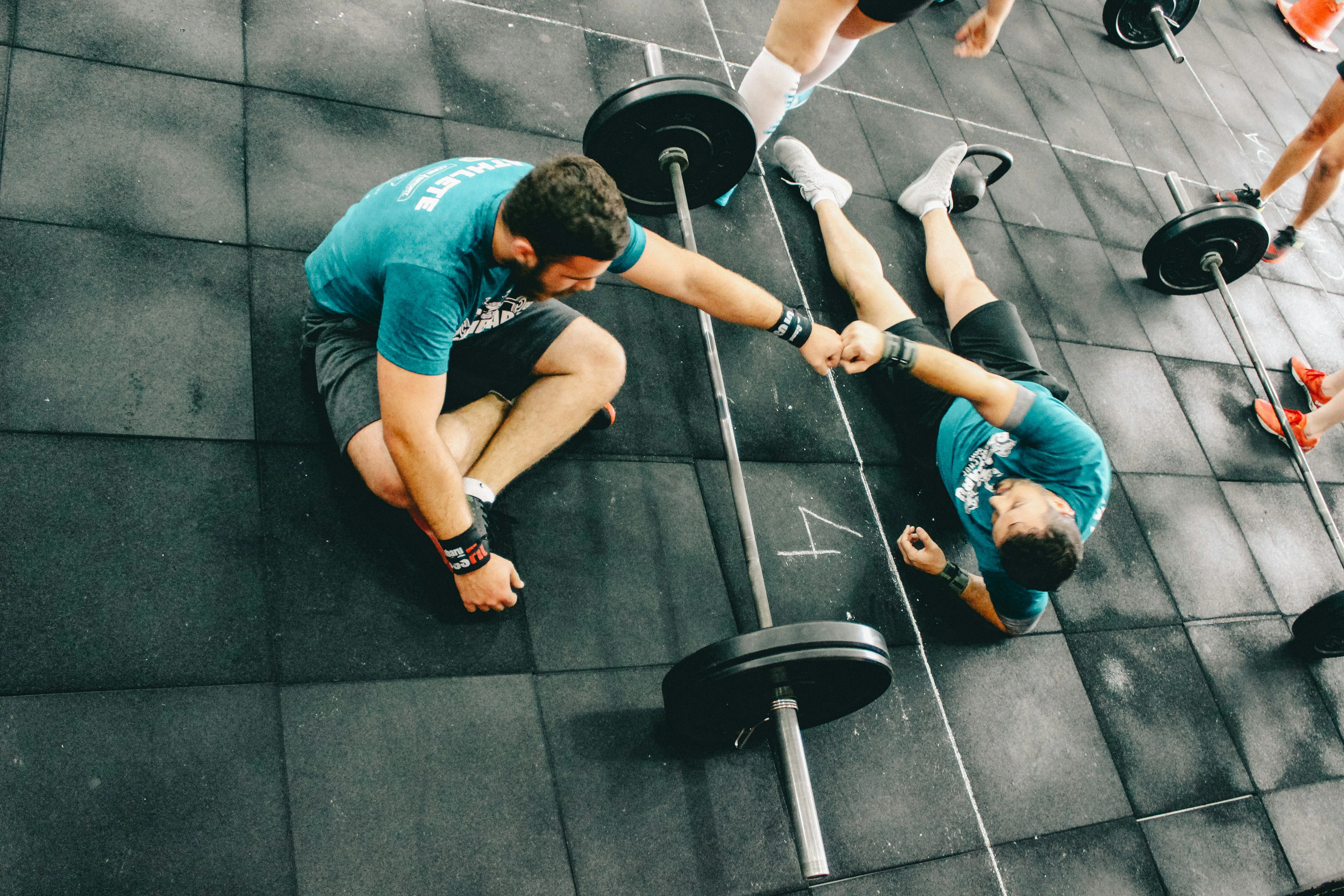
Strength training is essential if you want to lose fat without losing muscle. Building muscle increases your resting metabolic rate, meaning your body burns more calories even at rest. Exercises such as weightlifting, resistance band workouts, or bodyweight movements like squats and push-ups are highly effective.
Consistency Over Intensity
You don’t need extreme workouts to see results. Consistency is more important than intensity. Regular moderate exercise is more sustainable and reduces the risk of injury.
Lifestyle Factors That Influence Fat Loss
Many people overlook lifestyle habits that can either support or hinder fat loss progress.
Sleep
Poor sleep disrupts hormones that regulate hunger and appetite. When you don’t get enough rest, you’re more likely to crave high-calorie foods and feel too tired to exercise. Aim for 7–9 hours of quality sleep each night.
Stress Management
Chronic stress increases cortisol levels, which can contribute to fat storage, particularly around the abdomen. Incorporating stress-reducing practices such as meditation, deep breathing, or relaxing hobbies can support your efforts to lose fat.
Mindset and Goal Setting
Healthy fat loss takes time. Setting realistic goals—such as losing 1–2 pounds per week—helps maintain motivation and prevents discouragement. Track your progress, celebrate small milestones, and focus on long-term health rather than quick fixes.
Common Mistakes to Avoid
When trying to lose fat, many people fall into common traps:
- Skipping meals or drastically cutting calories
- Relying solely on supplements or “fat-burning” products
- Eliminating entire food groups without medical advice
- Expecting immediate results
These approaches are rarely sustainable. Instead, focus on gradual changes that you can maintain for months and years.
Maintaining Results After You Lose Fat
The journey does not end once you reach your goal. Maintaining fat loss requires continued attention to nutrition, exercise, and healthy habits. Rather than returning to old routines, build a lifestyle that supports your new weight.
Regular physical activity, balanced meals, mindful eating, and periodic progress check-ins help prevent weight regain. Flexibility is important too—occasional treats or rest days are part of a healthy, balanced life.