
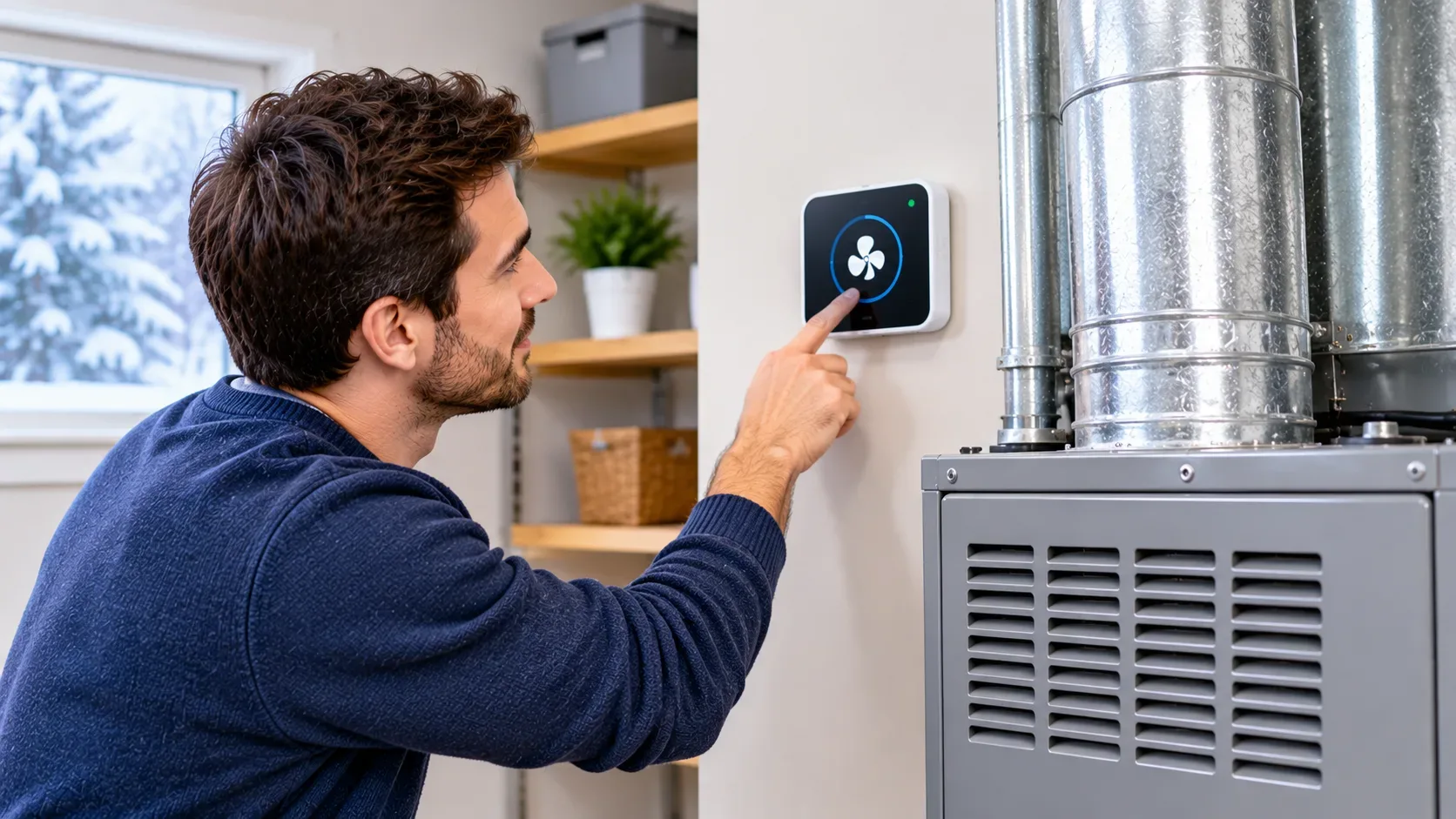
When temperatures drop, a properly working furnace helps keep your home comfortable and warm. But how can you tell whether your heating system is operating correctly? Sometimes, a furnace may appear to be running while failing to produce enough heat. In other cases, unusual noises, weak airflow, or frequent cycling may indicate an underlying problem.
Knowing how to check whether your furnace is working can help you identify minor issues early and recognize when professional heating repair service is necessary.
Whether you have a gas furnace or an electric heating system, there are several signs you can look for before calling a technician. In this guide, Cool-Aid Co. explains how to tell if your furnace is working properly and what to do if something seems wrong.
1. Check Whether Your Thermostat Is Working
The thermostat is one of the first things to check when your furnace does not seem to be heating your home. Set your thermostat to HEAT mode and choose a temperature a few degrees higher than the current room temperature. Wait a few minutes to see whether the furnace starts operating.
Look for these signs:
- The thermostat display is working and showing the correct settings.
- The heating mode is selected instead of COOL or OFF.
- The temperature setting is higher than the current indoor temperature.
- The thermostat sends a heating request to the furnace.
- The display does not show a low-battery warning or error message.
If the thermostat is unresponsive, try replacing its batteries if applicable. If the furnace still does not respond, there may be an electrical, wiring, or equipment issue that requires professional attention.
2. Check Whether Warm Air Is Coming From the Vents
One of the easiest ways to determine whether your furnace is working is to check the air coming from your supply vents.
When the furnace completes its startup process, it should distribute heated air throughout your home.
Place your hand near an open supply vent and check whether the air feels warm after the system has been running for several minutes.
Pay attention to:
- Warm Air: The vents should deliver heated air when the furnace is operating in heating mode.
- Consistent Airflow: Air should circulate through the connected rooms.
- Weak Airflow: Reduced airflow may indicate a dirty filter, blocked vent, or blower problem.
- Cold Air: If the furnace continuously blows cold air, there may be an ignition, heating, or control issue.
Keep in mind that some furnaces have a short startup delay before warm air reaches the vents. If the air remains cold, further inspection may be necessary.
3. Listen for Normal Furnace Sounds
A working furnace generally produces some operational noise. You may hear the blower motor, air moving through the ductwork, or the burner igniting in a gas furnace. However, sudden or unusual sounds can indicate that something is not functioning correctly.
Here are some sounds worth paying attention to:
| Furnace sound | Possible issue |
|---|---|
| Banging or booming | Delayed ignition or expanding ductwork |
| Squealing | Blower motor or belt-related problem |
| Rattling | Loose panels or internal components |
| Grinding | Motor or bearing problems |
| Repeated clicking | Ignition or electrical issue |
Not every sound indicates a serious problem, but persistent or unusual noises should be checked by an HVAC technician.
If you hear a loud boom, repeated ignition attempts, or grinding noises, turn the system off if it is safe to do so and arrange a professional inspection.
4. Check Whether Your Furnace Completes a Full Heating Cycle
A properly operating furnace should generally follow a consistent heating cycle.
For a typical gas furnace, the process involves several stages:
1. The thermostat detects that indoor temperatures are below the selected setting.
2. The furnace begins its startup sequence.
3. The inducer motor starts and the system checks its safety controls.
4. The ignition system lights the burners.
5. The heat exchanger warms up.
6. The blower motor distributes heated air through the ductwork.
7. The furnace shuts down after the thermostat reaches the desired temperature.
If your furnace repeatedly starts and stops after only a short period, it may be experiencing short cycling.
Common causes include dirty air filters, restricted airflow, thermostat problems, overheating, or improperly sized equipment.
Short cycling should not be ignored because it can increase energy consumption and place additional stress on system components.
5. Look for Warning Lights or Error Codes
Many modern furnaces have diagnostic lights that help identify operating problems. These lights are usually located behind a small inspection window on the furnace cabinet. Depending on the manufacturer and model, the light may flash in a specific pattern when the system detects a fault.
To check for an error:
- Locate the furnace's diagnostic indicator.
- Observe whether the light is steady, flashing, or completely off.
- Check the manufacturer's manual for the meaning of the light pattern.
- Look for any error codes displayed on the thermostat or connected control panel.
Do not remove sealed panels or bypass safety switches to investigate an error. If you cannot identify the issue, contact a qualified HVAC technician.
6. Make Sure the Air Filter Is Clean
A dirty air filter is one of the most common reasons a furnace struggles to operate efficiently.
Your furnace needs adequate airflow to distribute heat throughout your home. When dust, pet hair, and other debris accumulate in the filter, airflow becomes restricted.
This can cause several problems:
- Reduced airflow from heating vents.
- Longer heating cycles.
- Furnace overheating.
- Unexpected system shutdowns.
- Increased energy consumption.
Check your air filter according to the manufacturer's instructions. If it is visibly dirty, replace it with the correct size and type.
Many standard filters need replacement every one to three months, although the actual interval depends on the filter, household conditions, and system usage.
7. Check Whether All Rooms Are Heating Properly
Your furnace may be producing warm air, but that does not necessarily mean it is distributing heat evenly.
Walk through your home and compare temperatures in different rooms.
If some rooms feel comfortable while others remain unusually cold, there may be an airflow or distribution problem.
Possible causes include:
- Blocked or closed supply vents.
- Dirty or leaking ductwork.
- Improperly balanced airflow.
- Damaged duct connections.
- Blower performance issues. Make sure furniture, rugs, and curtains are not blocking the vents.
If temperature differences continue, an HVAC professional can inspect the ductwork and airflow throughout your home.
8. Monitor Your Energy Bills
An unexpected increase in your heating bill can sometimes indicate that your furnace is not operating efficiently.
When a furnace struggles to produce or distribute enough heat, it may run longer than usual to maintain your thermostat setting.
Watch for these warning signs:
- Higher heating costs without a major change in outdoor temperatures.
- Longer furnace operating cycles.
- Frequent temperature adjustments.
- Rooms taking longer to warm up.
- Increased energy consumption compared with previous winters.
Other factors, such as utility rate changes, insulation problems, and colder weather, can also affect your heating bill. However, a sudden unexplained increase may justify a professional furnace inspection.
9. Check for Unusual Smells Around the Furnace
Smells can sometimes provide clues about furnace performance. A mild dusty smell when you first turn on your heating system for the season may occur as accumulated dust burns off.
This should generally disappear relatively quickly.
However, certain odors require immediate attention.
- Burning Plastic or Electrical Smell: May indicate overheating wires or electrical components. Turn the system off if safe and contact an HVAC professional.
- Persistent Burning Smell: Could indicate an overheating motor or other mechanical problem.
- Rotten Egg Smell: May indicate a natural gas leak. Leave the property immediately without operating electrical switches or using anything that could create a spark. Call 911 or your gas utility from a safe location.
Never ignore a suspected gas leak or attempt to locate it yourself.
What to Do If Your Furnace Is Not Working Properly
If your furnace is not producing enough heat or showing signs of a problem, there are a few basic checks you can perform safely.
Start with these steps:
1. Check that your thermostat is set to HEAT and the temperature is above the current room temperature.
2. Replace thermostat batteries if needed.
3. Check whether the furnace's power switch and circuit breaker are in their normal operating positions. Do not repeatedly reset a tripping breaker.
4. Inspect the air filter and replace it if dirty.
5. Make sure supply and return vents are not blocked.
6. Check the furnace display or diagnostic light for an error code.
If these checks do not resolve the issue, schedule an inspection with a qualified HVAC technician. Avoid opening electrical compartments, handling gas connections, or attempting to repair ignition components yourself.
When Should You Call an HVAC Technician?
Some furnace problems require professional diagnosis, even when the system still appears to be running.
Contact an HVAC technician if you notice:
- The furnace runs but does not produce warm air.
- The system repeatedly turns on and off.
- The blower runs continuously without adequate heating.
- Unusual banging, grinding, or persistent squealing.
- Frequent furnace shutdowns or recurring error codes.
- Uneven heating throughout your home.
- Unexplained increases in heating costs.
Regular professional maintenance can also help identify worn components, airflow restrictions, and potential safety concerns before they lead to unexpected breakdowns.
Final Thoughts
Knowing how to tell if your furnace is working properly can help you recognize heating problems before they become more expensive. Check your thermostat, inspect the air filter, listen for unusual sounds, and make sure warm air is reaching the different rooms in your home. Remember that a furnace can appear to be running while still experiencing problems with ignition, airflow, or heat distribution. If basic checks do not resolve the issue, professional inspection is the safest way to determine what is wrong. At Cool-Aid Co., we help homeowners throughout Philadelphia and surrounding counties keep their heating systems operating reliably. Whether your furnace needs troubleshooting, repair, or routine maintenance, our HVAC team is here to help. Need professional furnace service? Call Cool-Aid Co. at 215-698-1600 to schedule your heating service.
Frequently Asked Questions
1. How long does it take for a furnace to start blowing warm air?
Most furnaces begin distributing warm air within a few minutes of receiving a heating request. However, the exact startup time depends on the furnace type and operating sequence. A short delay is normal, but consistently cold airflow may indicate a problem.
2. How do I know if my furnace is running but not heating?
If you hear the blower running but feel cool air coming from the vents, the furnace may have an ignition, burner, airflow, or control issue. Check the thermostat and air filter first. If the problem continues, arrange a professional inspection.
3. Should a furnace run continuously in winter?
A furnace may run for extended periods during extremely cold weather, particularly when outdoor temperatures are low. However, continuous operation that fails to maintain the desired indoor temperature may indicate an equipment or airflow problem.
4. Why is my furnace turning on but not producing heat?
Common causes include an incorrect thermostat setting, dirty air filter, ignition failure, gas supply problems, or a malfunctioning heating component. A qualified technician can identify the exact cause.
5. How often should a furnace be inspected?
Most residential furnaces should receive professional maintenance once a year, ideally before the heating season begins. Annual inspections help identify potential issues and keep the system operating safely and efficiently.