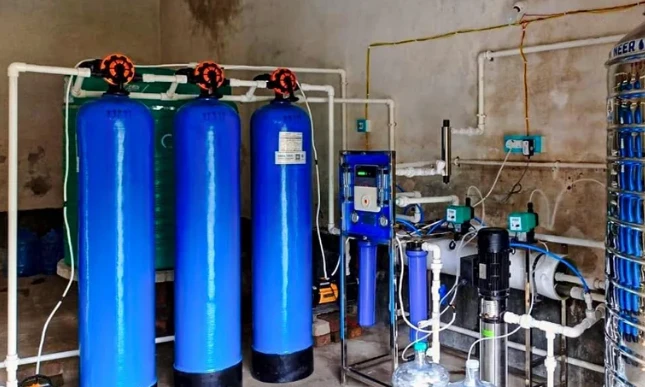
In industries where water purity is non-negotiable, Industrial RO (Reverse Osmosis) plants are the heart of smooth operations. From manufacturing units to pharmaceuticals, they ensure that processes run efficiently with consistent water quality. But just like any critical equipment, RO plants can lose efficiency over time if not maintained properly. The good news? With the right care, they can deliver peak performance for years while saving costs on repairs and replacements. In this blog, we’ll uncover practical steps and expert tips to keep your plant running at its absolute best.
Understanding Your Industrial RO Plant
An Industrial RO plant is a high-capacity water purification system designed to remove dissolved salts, chemicals, and contaminants through semi-permeable membranes. Key components include pre-filters, high-pressure pumps, membranes, and control panels. Each part has a crucial role — pre-filters block sediments, pumps drive water through membranes, and the control panel manages the process. When all these parts work in harmony, the plant produces water of the highest purity. Regular care ensures each component performs efficiently without sudden breakdowns.
Common Problems That Affect RO Plant Performance
Even the most advanced RO plant can face performance issues if neglected. Scaling and fouling of membranes reduce filtration efficiency. Pumps may develop low-pressure problems, affecting water output. Pre-filters can clog, making the system work harder and increasing energy use. Microbial growth may contaminate water lines, while electrical faults in control panels can halt operations entirely. Identifying these problems early is critical because timely intervention can save your plant from costly downtime and prevent expensive repairs.
Routine Maintenance Checklist for Peak Performance
🔍 Inspect & Replace Pre-Filters Regularly
Pre-filters protect the membranes from sediment and large particles. Changing them on time prevents blockages and prolongs membrane life.
💧 Monitor Water Quality Parameters
Check TDS, pH, and flow rates regularly to ensure water meets required standards. Any deviation could indicate membrane or pump issues.
⚙️ Keep Pumps & Motors in Top Shape
Inspect for unusual noises or vibrations, ensure proper lubrication, and calibrate pumps for optimal performance.
🧼 Clean & Sanitize Membranes Periodically
Follow a chemical cleaning schedule to remove scaling and fouling without damaging the membranes.
📊 Maintain a Logbook
Document filter changes, service dates, and observed issues. This helps in spotting recurring problems and planning preventive measures.
Pro Tips for Energy & Cost Efficiency
Operating your RO plant efficiently saves both power and money. Optimize the operating pressure — higher isn’t always better, as it can strain pumps. Where possible, invest in energy recovery devices to reduce wastage. Training staff on correct operation ensures the system is used efficiently without unnecessary strain. Automation and real-time monitoring systems can also alert you to changes in performance instantly. Using high-quality consumables might seem expensive upfront, but they extend service intervals and improve long-term reliability.
Preventive Measures for Long-Term Reliability
Prevention is better than repair, especially in high-capacity RO systems. Installing pretreatment systems like sand filters or softeners helps reduce sediment and hardness before water enters the RO unit. If scaling is a concern, dosing anti-scalant chemicals can protect membranes. Schedule quarterly inspections by experts to catch early signs of wear. Protect your plant from voltage fluctuations with stabilizers, as sudden spikes can damage sensitive electronics. Additionally, having a backup water storage tank ensures you don’t overburden the RO system during peak demand.
Signs Your RO Plant Needs Immediate Attention
If you notice a sudden drop in water output or the TDS level rises unexpectedly, your plant may need urgent servicing. Other warning signs include strange noises, excessive vibrations, leaks, or rust on structural parts. Frequent tripping of control systems is also a red flag. Ignoring these signs can turn a small fix into a major repair. Addressing issues immediately not only prevents damage but also keeps your plant running with minimal disruption.
Expert Servicing vs. In-House Maintenance
Basic maintenance, like filter replacement and daily monitoring, can be handled by in-house staff. However, expert servicing brings in deeper cleaning, membrane testing, calibration, and diagnostics that require specialized tools. Partnering with professionals ensures that your plant meets industry standards and remains compliant with safety regulations. Service contracts with a trusted provider also guarantee priority support, which can be a lifesaver during critical breakdowns.
If you’re looking for expert guidance or high-quality equipment, partnering with a reputed industrial RO plant manufacturer in Gurgaon can make a huge difference. They can provide reliable systems, spare parts, and technical support to ensure your plant continues to deliver consistent results.
Conclusion
At Aqua Pristine, we understand that your Industrial RO plant is a vital part of your operations. Our focus is on helping you maintain it with precision, ensuring maximum efficiency, reliability, and water purity. By combining regular upkeep, preventive measures, and expert servicing, you can extend the life of your RO plant and keep it performing at its best. Connect with us today to schedule professional maintenance and safeguard your investment for the long run.