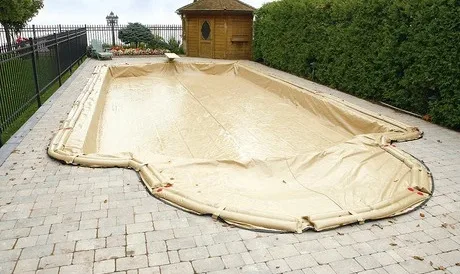
Preparing an outdoor swimming area for colder weather protects your backyard sanctuary and ensures a smooth, sparkling opening when spring returns. Installing inground pool covers for winter on natural stone surfaces like flagstone or travertine requires specialized anchoring techniques to prevent cracking, chipping, or uneven tension. With careful planning, proper masonry hardware, and gentle handling habits, you can secure a taut, protective barrier across your pool while preserving the natural beauty of your stone patio.
Understanding Stone Deck Characteristics Before Drilling
Flagstone and travertine are prized for their natural beauty, cool underfoot feel, and organic textures, yet they behave differently from poured concrete during installation. Travertine is a porous limestone with natural voids and softer crystalline layers that can chip around the rim if drilled too aggressively. Flagstone is denser and harder, often laid in irregular shapes over a mortar bed or compacted gravel base with varying slab thicknesses.
Because natural stone slabs vary in thickness and structural density, standard short brass anchors designed for four-inch concrete slabs often loosen or pull out over time. Before drilling any holes, inspect the thickness of your coping stones and patio pavers to determine whether they sit on a solid concrete sub-base or a sand bed. Understanding your deck foundation ensures you select anchors long enough to grip firmly without fracturing delicate stone edges.
- Travertine Considerations: Use sharp, high-grade masonry bits without heavy hammer action at the start to avoid surface chipping.
- Flagstone Density: Expect slower drilling speeds through hard sandstone or slate slabs, requiring steady pressure and water cooling.
- Slab Thickness Check: Measure edge thickness near the coping so anchors do not crack thin stones less than two inches thick.
- Mortar Joint Avoidance: Always drill into the solid center of a stone rather than weak mortar lines or narrow seams.
Selecting the Right Anchors and Hardware for Natural Stone
Standard three-quarter-inch brass anchors work well in poured concrete, but natural stone patios require upgraded hardware for dependable winter holding power. When installing on flagstone or travertine pavers set over sand or thin mortar, long brass anchors—typically 10 to 15 inches in length—are essential. These extended tubes drive through the stone slab and anchor deeply into the compacted sub-base below, preventing the spring tension from tilting or lifting the stone.
For travertine or flagstone mortared securely onto a thick reinforced concrete slab, collar anchors offer exceptional protection and stability. Collar anchors feature a wide, flat brass flange that sits flush on top of the stone surface, hiding minor drill-hole micro-chips while distributing upward pull across a broader area. Pairing heavy-duty stainless steel springs with protective vinyl sleeves also prevents metal hardware from scratching the stone as temperatures fluctuate.
- Long Lawn/Paver Stakes: Use 12-to-15-inch brass tubes with standard anchors when stone pavers rest on sand or gravel bases.
- Brass Collar Anchors: Ideal for travertine mortared over concrete, providing a clean finished look and extra lip support.
- Spring Vinyl Covers: Slide protective plastic tubes over every tension spring to prevent rust stains and metal scrapes on porous stone.
- Non-Corrosive Hardware: Confirm all D-rings, buckles, and springs are marine-grade stainless steel to resist mineral staining.
Preparing the Pool Basin and Water Level Correctly
Before unfolding your cover across the stone patio, complete all internal pool winterization steps so you do not have to unhook springs later. Balance your water chemistry carefully, brush the walls, and lower the water level to the manufacturer's recommended height—typically 12 to 18 inches below the top of the coping. Keeping the water within this range ensures the water underneath supports heavy snow loads rather than letting the cover pull inward on your stone anchors.
Alongside lowering the water and blowing out underground plumbing lines, take time to winterize all poolside mechanical systems thoroughly. Draining pumps, removing drain plugs, and safeguarding sensitive swimming pool heater parts from trapped moisture protects your equipment pad from costly freeze damage. Once the plumbing is sealed and skimmer guard devices are in place, sweep the flagstone or travertine deck completely free of grit so pebbles do not scratch the cover underside.
- Water Level Margin: Maintain water 12 to 18 inches below the coping to balance spring tension and snow support.
- Chemical Dissipation: Wait until high shock chlorine levels drop below 3 ppm before covering so fumes do not bleach the fabric.
- Deck Sweeping: Blow or sweep away sand and gravel from travertine surfaces before laying down the cover material.
- Coping Inspection: Check for loose mortar or shifting coping stones and repair them prior to applying spring tension.
Positioning and Squaring the Cover Over the Pool
Lay the folded winter cover gently on a clean section of the patio near the deep end, lifting rather than dragging the bundle across rough flagstone edges. Unfold the cover slowly across the pool water with a helper, aligning the corners and step sections symmetrically over the basin. Ensure an equal overlap of 12 to 18 inches rests evenly around the entire perimeter of the stone coping.
Once the cover is centered, attach four temporary corner straps to heavy buckets filled with water or sandbags placed roughly three feet back from the pool edge. These temporary weights hold the cover square and taut while you mark your exact drill locations on the stone deck. Walking around the perimeter to verify straight webbing lines and uniform overlap prevents crooked anchor holes that are difficult to correct later.
- Two-Person Lifting: Carry the cover over rough flagstone textures to prevent underside abrasion before installation even begins.
- Equal Perimeter Overlap: Verify that every side extends uniformly past the inner pool wall for balanced tension distribution.
- Temporary Counterweights: Use water-filled buckets or soft sandbags to hold the straps straight while marking anchor points.
- Strap Alignment: Pull each strap straight outward in line with the cover webbing so anchors experience direct axial tension.
Marking and Drilling Holes Safely in Flagstone or Travertine
With the cover squared and held steady, pull each strap taut and mark the exact center of the fully extended spring loop onto the stone using painter's tape and a pencil. Avoid marking directly on porous travertine with permanent ink or dark chalk, as pigments can seep into tiny stone pores and leave stubborn stains. Always position marks at least four to six inches away from stone edges or joints to prevent corner fractures.
Equip a variable-speed rotary hammer drill with a fresh three-quarter-inch carbide masonry bit, wrapping a piece of electrical tape around the bit to mark your exact drilling depth. Start each hole slowly on standard rotary mode without the hammer function engaged until the bit establishes a clean groove in the stone surface. Once past the top quarter-inch, switch to hammer mode with steady, moderate pressure, pausing occasionally to vacuum away stone dust and cool the bit with water.
- Painter's Tape Marking: Place blue painter's tape over drill spots to mark measurements cleanly and reduce surface chipping.
- Edge Distance Rule: Keep all drilled holes at least five inches inward from slab borders and grout lines.
- Depth Stop Tape: Wrap tape around the drill bit so every hole matches the exact length of your brass anchor or paver tube.
- Dust Extraction: Vacuum stone powder out of each hole before inserting anchors so they seat flush and operate smoothly.
Inserting Anchors and Tensioning Springs Evenly
Clean out each drilled hole thoroughly with a shop vacuum or blow bulb, then tap the brass anchor gently into place using a rubber mallet and a setting tool. If you are installing long paver tubes through flagstone over a sand base, drive the outer aluminum or brass tube flush with the stone surface first, then insert the threaded brass anchor inside. Ensure every anchor head sits completely flat against the stone so bare feet will not catch on raised metal edges during summer.
After setting all anchors around the pool, unthread the internal brass screws halfway using an Allen wrench and hook each stainless steel spring onto its anchor using an installation rod. Work in an alternating star pattern—moving from opposite sides and ends—rather than tightening one entire side at once. Compress each spring to roughly half or two-thirds of its length so the cover sits tight like a trampoline without over-stressing the stone slabs.
- Rubber Mallet Seating: Tap anchors into place gently with a rubber mallet and brass tamping tool to avoid cracking stone rims.
- Alternating Tension Pattern: Hook springs on opposite ends first, then work outward from the center of each long side.
- Optimal Spring Compression: Leave slight travel remaining in every spring so wind gusts and snow loads can flex safely.
- Chafe Strip Placement: Verify that protective padding strips sit directly beneath the cover where it crosses sharp flagstone coping.
Protecting Stone Surfaces and Post-Installation Care
Natural stone decks require mild, non-acidic care throughout the winter months to keep both your patio and cover in top condition. Never use rock salt, calcium chloride, or harsh chemical ice melters on flagstone or travertine around your covered pool, as de-icing salts cause severe pitting, spalling, and staining on natural stone. Instead, clear heavy snow off the cover gently using a soft foam pool broom and sweep deck pathways clean with a plastic bristle brush.
When spring arrives and it is time to remove the cover, use the installation rod to unhook each spring smoothly and thread the brass anchor screws all the way down flush with the stone surface. Spray a light coating of silicone lubricant into the anchor threads before closing them up so stone dust and mineral deposits never seize the brass mechanisms. Exploring reputable suppliers like Ever-Klear Pool Supply makes it simple to source collar anchors, long paver stakes, and protective chafe strips tailored for natural stone decks.
- Salt-Free Winter Care: Avoid all chemical de-icers near travertine and flagstone to preserve natural stone sealers and textures.
- Flush Anchor Retraction: Screw brass inserts down completely level with the stone after removing the cover in spring.
- Thread Lubrication: Apply a quick spritz of dry silicone spray to anchor threads annually to prevent mineral seizing.
- Routine Storm Checks: Walk the perimeter after heavy winter storms to ensure no stone pavers have shifted under snow weight.
Frequently Asked Questions
1. Can I install a winter safety cover on travertine pavers set in sand instead of concrete? Yes, you can safely install a safety cover on sand-set travertine pavers by using 12-to-15-inch brass paver tubes. These long tubes pass completely through the stone paver and anchor deep into the compacted base underneath so the tension does not lift or tilt the pavers.
2. How do I prevent travertine from cracking when drilling anchor holes? Use a brand-new carbide masonry bit, place painter's tape over the drill spot, and start the hole on slow rotary speed without the hammer function engaged until the bit bites into the stone. Keep all holes at least five inches away from paver edges and grout lines.
3. What are brass collar anchors, and when should I use them? Brass collar anchors have a wide, flat rim around the top of the anchor body. They are ideal for softer natural stones like travertine or limestone because the collar covers minor drill chipping around the hole and spreads upward spring tension across a wider surface area.
4. Will stainless steel cover springs stain my flagstone or travertine patio? High-quality stainless steel springs rarely rust, but sliding protective vinyl spring sleeves over every spring prevents metal-on-stone scraping and eliminates any chance of mineral transfer onto porous stone surfaces.
5. What should I do if a flagstone slab is too thin to hold a standard anchor? If your flagstone coping or patio slabs are thinner than two inches or rest over a loose base, use extended paver anchor tubes that reach into the sub-base below, or consult a pool professional to reinforce the anchor points with mortar plugs.
Conclusion
Installing an inground pool cover for winter on a flagstone or travertine deck is entirely achievable when you match your anchoring hardware to the natural stone foundation. By using collar anchors or extended paver tubes, drilling carefully away from slab edges, and tensioning springs evenly in an alternating pattern, you protect your swimming pool all winter while keeping your stone patio pristine for years of outdoor enjoyment.