Buying a used shipping container can be a smart investment for storage, transportation, construction, or business purposes. However, not every container is in the same condition. A careful inspection helps you avoid costly repairs and ensures you get a durable unit that meets your needs.
Start with the Exterior
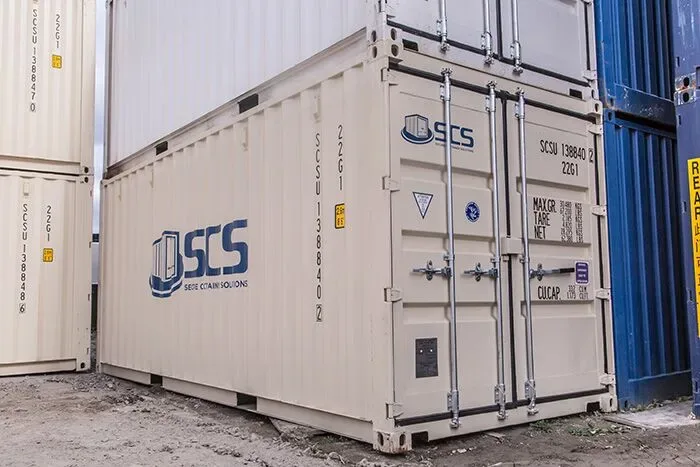
Begin by walking around the entire container. Look for dents, corrosion, or signs of structural damage. Minor scratches and surface rust are common in used containers, but large dents or deep rust may indicate weakened steel. If you're browsing listings for a ship container for sale, always ask for recent photos of all sides of the container before making a decision.
Check that the container sits evenly on the ground. A twisted or uneven frame can make it difficult to open and close the doors and may signal structural issues.
Examine the Doors
The doors are one of the most important parts of any shipping container. Open and close them several times to ensure they operate smoothly. The locking bars should move freely, and the hinges should not show excessive wear or damage.
Inspect the rubber door seals carefully. Cracked or missing seals allow water and dust to enter, potentially damaging anything stored inside. Replacing seals is possible, but it's an added expense that should be considered before purchasing.
Inspect the Interior
Once inside, check for daylight shining through the walls or roof. Any visible light could indicate holes or gaps that may allow water to enter.
Inspect the walls for rust, moisture stains, or evidence of previous repairs. While some repaired areas are acceptable, extensive patchwork may suggest the container has experienced significant damage.
Also, take a moment to notice any unusual odors. Strong chemical smells may indicate the container previously carried hazardous materials, making it unsuitable for certain storage applications. When comparing more than one ship container for sale, inspect each interior carefully instead of relying only on the seller's description.
Check the Flooring
Most used shipping containers have marine-grade plywood floors. Walk across the entire floor and look for soft spots, cracks, or areas that feel uneven.
Inspect for stains caused by oil, chemicals, or moisture. Deep contamination may require replacing the flooring before use. If you plan to store valuable equipment or household items, a clean and solid floor is essential.
Look for Rust
Rust is one of the biggest concerns when purchasing a used shipping container. Surface rust can usually be cleaned and treated without much difficulty, but deep corrosion that has eaten through the steel can compromise the container's strength.
Pay extra attention to:
- Bottom rails
- Door frames
- Roof seams
- Corner castings
- Underside of the container
These areas often experience the most wear during years of transportation.
Verify the Container's Grade
Used containers are typically sold in several grades, including:
- Wind and Watertight (WWT)
- Cargo Worthy (CW)
- As-Is
- One-Trip (nearly new)
Ask the seller to explain the container's condition and request any available inspection reports or certifications. If you find a ship container for sale that is listed as Cargo Worthy, verify that the certification is current if you intend to use it for international shipping.
Check Identification and Age
Every shipping container has an identification number that provides information about its origin and manufacturing details. While older containers can still perform well, understanding their age helps set realistic expectations regarding maintenance and lifespan.
If possible, ask about the container's service history, previous repairs, and past usage.
Inspect the Roof Carefully
Many buyers overlook the roof because it can be difficult to see. If it's safe to do so, inspect the top for dents that may collect rainwater. Standing water increases the risk of corrosion and can shorten the container's lifespan.
A roof in good condition helps keep stored items dry throughout the year.
Ask About Delivery
Before completing your purchase, confirm the delivery process. Make sure the delivery truck has enough access to your property and that the ground is level enough to support the container.
Knowing the delivery cost, placement requirements, and unloading method can prevent unexpected delays or additional fees.
Conclusion
A thorough inspection is the key to buying a reliable used shipping container. By checking the exterior, doors, flooring, roof, structural integrity, and container grade, you can make a well-informed decision and reduce the risk of unexpected repair costs. Taking the time to inspect every detail ensures your investment provides dependable performance for years to come.