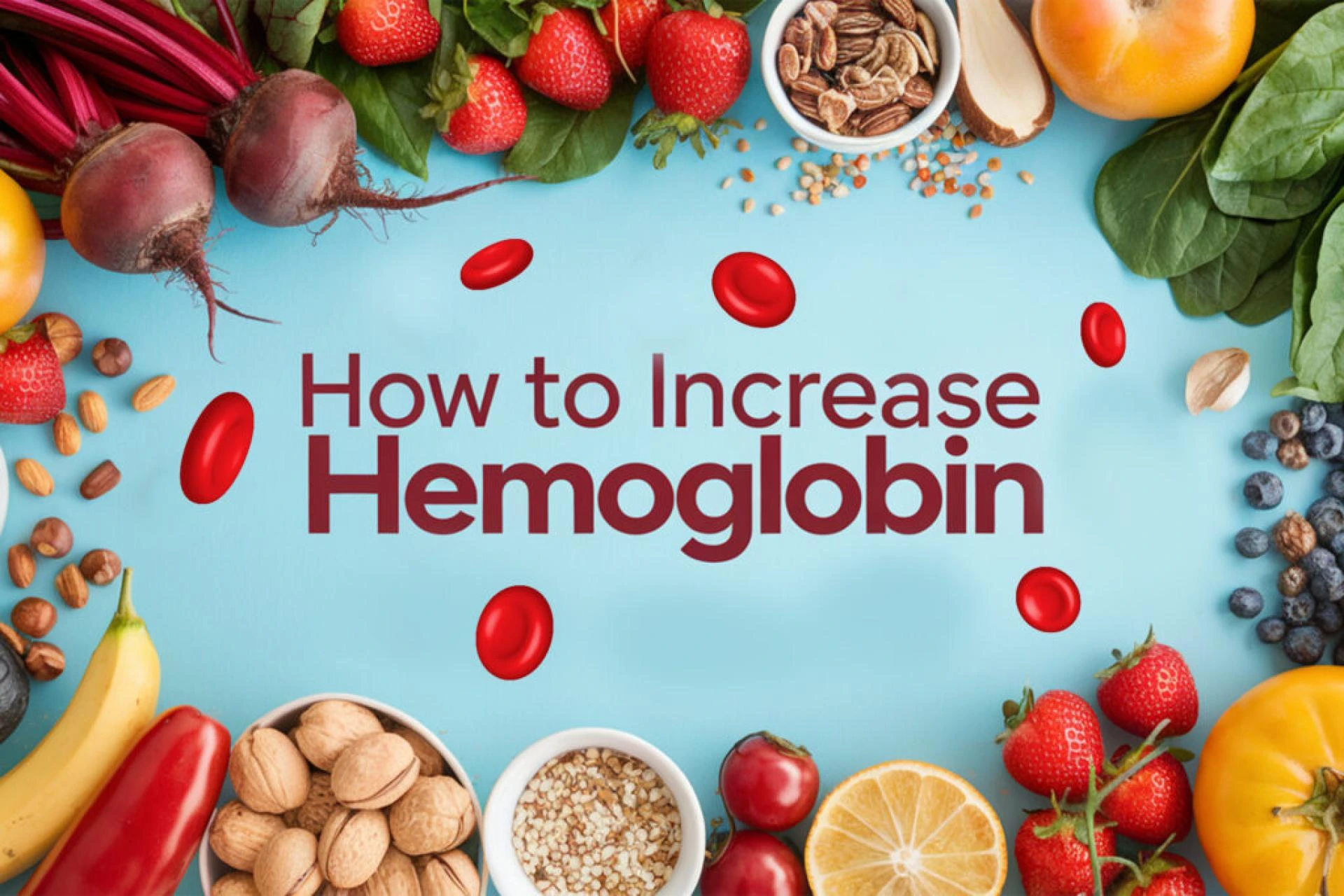
Hemoglobin, a crucial protein in red blood cells, plays an essential role in maintaining overall health. It is responsible for transporting oxygen from the lungs to the rest of the body. Maintaining adequate hemoglobin levels is particularly important for women, especially during pregnancy and IVF treatment. A deficiency in hemoglobin can lead to complications, affecting both maternal and fetal health. Therefore, understanding how to increase hemoglobin naturally and effectively is vital for overall wellness.
Understanding Hemoglobin and Its Importance
Hemoglobin is composed of iron and protein, and its primary function is to ensure that oxygen reaches all body tissues. When hemoglobin levels drop, oxygen transportation becomes inefficient, leading to fatigue, dizziness, and, in severe cases, anemia. Women, especially those preparing for pregnancy or undergoing IVF treatment, need to maintain optimal hemoglobin levels to ensure a healthy conception and pregnancy.
Effects of Low Hemoglobin on Women’s Health During Pregnancy
During pregnancy, the body undergoes significant changes, requiring an increased blood supply to support fetal growth. When hemoglobin levels are low, several complications may arise, such as:
- Increased Risk of Preterm Birth: Inadequate hemoglobin can cause oxygen deficiency in the placenta, leading to premature delivery.
- Low Birth Weight: A deficiency in oxygen supply may hinder fetal development, resulting in lower birth weight.
- Fatigue and Weakness: Insufficient hemoglobin levels can cause excessive tiredness, making it difficult for women to carry out daily activities.
- Higher Risk of Preeclampsia: Pregnant women with low hemoglobin levels are at a higher risk of developing preeclampsia, a condition characterized by high blood pressure and protein in the urine.
- Delayed Recovery Post-Delivery: Women with anemia take longer to recover after childbirth due to prolonged weakness and fatigue.
Effects of Hemoglobin Levels During IVF Treatment
For women undergoing IVF, maintaining proper hemoglobin levels is equally important. IVF treatment involves multiple procedures that require a healthy body to increase the chances of successful implantation and pregnancy. Low hemoglobin can impact the process in several ways:
- Reduced Implantation Success: A well-oxygenated uterine lining is essential for embryo implantation. Low hemoglobin levels may decrease the chances of a successful transfer.
- Increased Risk of Miscarriage: Oxygen deficiency in the early stages of pregnancy can lead to embryo loss.
- Delayed Egg Development: Hemoglobin plays a role in cellular energy metabolism, which is vital for the proper development of eggs.
- Fatigue and Stress: IVF treatments can be physically and emotionally exhausting. Low hemoglobin levels may further contribute to tiredness and stress, affecting overall well-being.
- Longer Recovery Post-IVF Procedures: Women with low hemoglobin may experience prolonged recovery times after egg retrieval or embryo transfer.
How to Increase Hemoglobin Levels Naturally
Improving hemoglobin levels is achievable through dietary changes, lifestyle modifications, and, in some cases, medical intervention. Here are some effective ways to boost hemoglobin levels:
1. Consume Iron-Rich Foods
Iron is the primary component of hemoglobin. Including iron-rich foods in the diet can help boost hemoglobin levels efficiently:
- Heme Iron Sources (Animal-Based): Lean meats, liver, fish, and poultry.
- Non-Heme Iron Sources (Plant-Based): Spinach, lentils, beans, tofu, quinoa, and fortified cereals.
2. Increase Vitamin C Intake
Vitamin C enhances iron absorption in the body. Consuming foods rich in vitamin C can significantly improve hemoglobin levels:
- Oranges, lemons, strawberries, guavas, and bell peppers.
3. Incorporate Folic Acid-Rich Foods
Folic acid is essential for red blood cell production. A deficiency in folic acid can contribute to low hemoglobin levels. Foods rich in folic acid include:
- Leafy greens, broccoli, bananas, eggs, and whole grains.
4. Include Vitamin B12 Sources
Vitamin B12 helps in the production of red blood cells. Insufficient levels can lead to anemia and low hemoglobin:
- Dairy products, fish, eggs, and fortified cereals.
5. Stay Hydrated
Drinking adequate water helps maintain proper blood circulation and supports red blood cell production.
6. Reduce Tea and Coffee Consumption
Excessive tea and coffee consumption can inhibit iron absorption. It is advisable to limit caffeine intake, especially during meals.
7. Take Iron Supplements (If Recommended)
For individuals with severe iron deficiency, doctors may prescribe iron supplements to restore normal hemoglobin levels.
How Increased Hemoglobin Benefits Baby’s Wellness
Ensuring optimal hemoglobin levels benefits not only the mother but also the baby’s health. Proper hemoglobin levels contribute to:
- Better Oxygen Supply to the Baby: Ensures fetal development and reduces the risk of growth restrictions.
- Stronger Immunity in Newborns: Babies born to mothers with sufficient hemoglobin levels have a better immune response.
- Lower Risk of Birth Complications: Reduces the chances of congenital disabilities and preterm birth.
- Enhanced Cognitive Development: Oxygen-rich blood flow supports brain development in the fetus.
Essential Points to Keep in Mind
- Regularly check hemoglobin levels during pregnancy and IVF treatment.
- Follow a balanced diet to maintain essential nutrient levels.
- Consult a healthcare provider before taking supplements.
- Choose a trusted medical facility such as the Best IVF Centre in Agra for expert guidance and treatment.
- Engage in light physical activity to improve blood circulation.
- Manage stress effectively to promote overall well-being.
Conclusion
Maintaining adequate hemoglobin levels is crucial for women, especially during pregnancy and IVF treatment. Low hemoglobin can lead to complications such as fatigue, miscarriage, and poor fetal development. However, by incorporating iron-rich foods, essential vitamins, and healthy lifestyle practices, women can significantly improve their hemoglobin levels. Seeking medical guidance from the best IVF centre in Agra ensures personalized care and a higher success rate for pregnancy. By prioritizing hemoglobin health, women can enhance their chances of a smooth pregnancy and ensure the well-being of their baby.