When winter arrives, most homeowners spend more time indoors to stay warm and comfortable. While keeping doors and windows closed helps maintain indoor temperatures, it can also reduce ventilation and trap pollutants inside the home. As a result, indoor air quality often declines during the colder months, potentially affecting comfort, health, and overall well-being.
Poor indoor air quality can contribute to allergies, respiratory irritation, dry skin, headaches, and increased exposure to airborne contaminants. Dust, pet dander, mold spores, and household chemicals can accumulate indoors when fresh air circulation is limited. Fortunately, there are several practical steps homeowners can take to improve indoor air quality throughout the winter season.
Just as routine home maintenance tasks such as water heater repair southaven help keep essential systems operating efficiently, maintaining healthy indoor air requires consistent attention and preventive care. By understanding the factors that affect air quality and implementing a few simple strategies, you can create a healthier and more comfortable indoor environment for your family.
Why Indoor Air Quality Matters During Winter
During winter, homes become more tightly sealed to conserve energy and retain heat. While this improves heating efficiency, it also limits the amount of fresh outdoor air entering the home.
Without proper ventilation, indoor pollutants can build up over time. Common winter air quality concerns include:
- Dust accumulation
- Pet dander
- Mold spores
- Volatile organic compounds (VOCs)
- Cooking fumes
- Tobacco smoke
- Household cleaning chemicals
Exposure to these contaminants can negatively impact health, particularly for individuals with allergies, asthma, or other respiratory conditions.
Improving indoor air quality not only promotes better health but also enhances comfort and helps create a more enjoyable living environment.
Replace HVAC Air Filters Regularly
One of the simplest and most effective ways to improve indoor air quality is by replacing HVAC air filters regularly.
Air filters are designed to capture airborne particles before they circulate throughout your home. Over time, filters become clogged with dust, dirt, pollen, and other contaminants.
Dirty filters can:
- Restrict airflow
- Reduce HVAC efficiency
- Allow pollutants to circulate
- Increase dust buildup
Most homeowners should inspect filters monthly and replace them according to manufacturer recommendations. Homes with pets, allergy sufferers, or high dust levels may require more frequent filter changes.
Clean filters support both healthier air and more efficient heating system performance.
Maintain Proper Humidity Levels
Winter air is often much drier than air during other seasons. Indoor heating systems can further reduce humidity levels, leading to dry skin, irritated sinuses, and respiratory discomfort.
Maintaining balanced humidity can improve comfort and air quality.
The ideal indoor humidity range typically falls between 30% and 50%.
Low humidity may cause:
- Dry skin
- Sore throats
- Static electricity
- Cracked wood furniture
On the other hand, excessive humidity can encourage mold growth and dust mite activity.
Using a humidifier can help maintain appropriate moisture levels while improving overall indoor comfort.
Improve Ventilation Whenever Possible
Although keeping windows closed helps retain heat, occasional ventilation remains important during winter.
Even a few minutes of fresh air circulation can help reduce indoor pollutant concentrations and improve air quality.
Ways to improve ventilation include:
- Opening windows briefly during mild weather
- Using kitchen exhaust fans while cooking
- Running bathroom exhaust fans after showers
- Utilizing whole-house ventilation systems
Proper ventilation helps remove stale air and introduces fresh outdoor air into the home.
Keep Your Home Clean
Regular cleaning plays a major role in reducing indoor pollutants during winter.
Dust, pet hair, and allergens can accumulate quickly when homes remain closed for extended periods.
Focus on cleaning:
- Carpets and rugs
- Upholstered furniture
- Bedding
- Curtains
- Air vents
- Hard surfaces
Vacuuming with a high-efficiency particulate air (HEPA) filter can help capture smaller particles that standard vacuums may recirculate into the air.
Consistent cleaning reduces allergen levels and supports healthier indoor air.
Consider an Air Purifier
Air purifiers can provide an additional layer of protection against airborne contaminants.
Many modern air purifiers use HEPA filtration technology to capture:
- Dust
- Pollen
- Pet dander
- Mold spores
- Fine particulate matter
Air purifiers can be particularly beneficial for households with allergy sufferers, pets, or individuals with respiratory conditions.
Choosing a unit appropriately sized for the room ensures optimal performance and air cleaning effectiveness.
Monitor Indoor Pollutants
Many homeowners are unaware of the pollutants present inside their homes. Indoor air quality monitors can provide valuable information about air conditions and help identify potential problems.
These devices may track:
- Particulate matter
- Carbon dioxide levels
- Humidity
- Temperature
- Volatile organic compounds
Monitoring allows homeowners to take corrective action when air quality begins to decline.
Being proactive can prevent minor issues from becoming significant indoor health concerns.
Reduce Sources of Indoor Pollution
One of the most effective ways to improve air quality is to reduce pollutant sources whenever possible.
Common strategies include:
Use Low-VOC Products
Choose paints, adhesives, and cleaning products that contain fewer volatile organic compounds.
Avoid Indoor Smoking
Tobacco smoke introduces numerous harmful pollutants into indoor environments.
Store Chemicals Properly
Keep household chemicals sealed and stored in well-ventilated areas away from living spaces.
Limit Artificial Fragrances
Air fresheners and scented products can release compounds that affect air quality.
Reducing pollutant sources helps create a cleaner and healthier indoor environment.
Schedule HVAC Maintenance
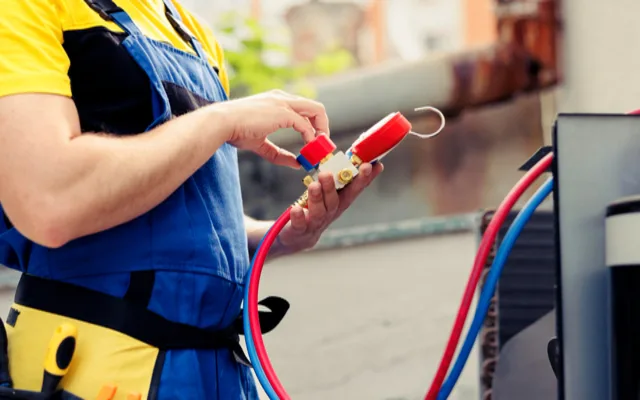
Your heating system plays a significant role in indoor air quality. A poorly maintained HVAC system can circulate dust, debris, and allergens throughout your home.
Professional HVAC maintenance typically includes:
- Cleaning components
- Inspecting ductwork
- Checking airflow
- Replacing filters
- Evaluating system performance
Routine service helps ensure your heating system operates efficiently while supporting healthier indoor air.
Preventive maintenance can also identify potential issues before they impact comfort or system reliability.
Keep Ductwork Clean
Air ducts distribute heated air throughout the home. Over time, dust, debris, and contaminants may accumulate inside ductwork.
In some situations, professional duct cleaning may be beneficial, particularly if:
- Excessive dust is present
- Mold growth is suspected
- Recent renovations occurred
- Pest infestations have been identified
Clean ductwork can contribute to improved airflow and reduced airborne contaminants.
Pay Attention to Water Leaks and Moisture
Moisture problems can significantly affect indoor air quality. Water leaks often create conditions that encourage mold growth, which can release spores into the air.
Inspect areas around:
- Windows
- Pipes
- Roof penetrations
- Appliances
- Water heaters
Addressing leaks promptly helps prevent mold development and protects indoor air quality.
Routine maintenance services such as water heater repair southaven can help identify moisture-related issues before they lead to larger problems.
Conclusion
Maintaining healthy indoor air quality during winter requires a combination of proper ventilation, regular cleaning, humidity control, and HVAC maintenance. Because homes remain more tightly sealed during colder months, indoor pollutants can accumulate quickly without proactive management.
Simple steps such as replacing air filters, using air purifiers, reducing indoor pollutants, and monitoring humidity levels can significantly improve the air you breathe every day. Regular maintenance of home systems, including water heater repair southaven and HVAC inspections, also plays an important role in creating a healthier indoor environment.
By taking these preventive measures, homeowners can enjoy cleaner air, improved comfort, and better overall health throughout the winter season while creating a safer and more enjoyable home for their families.