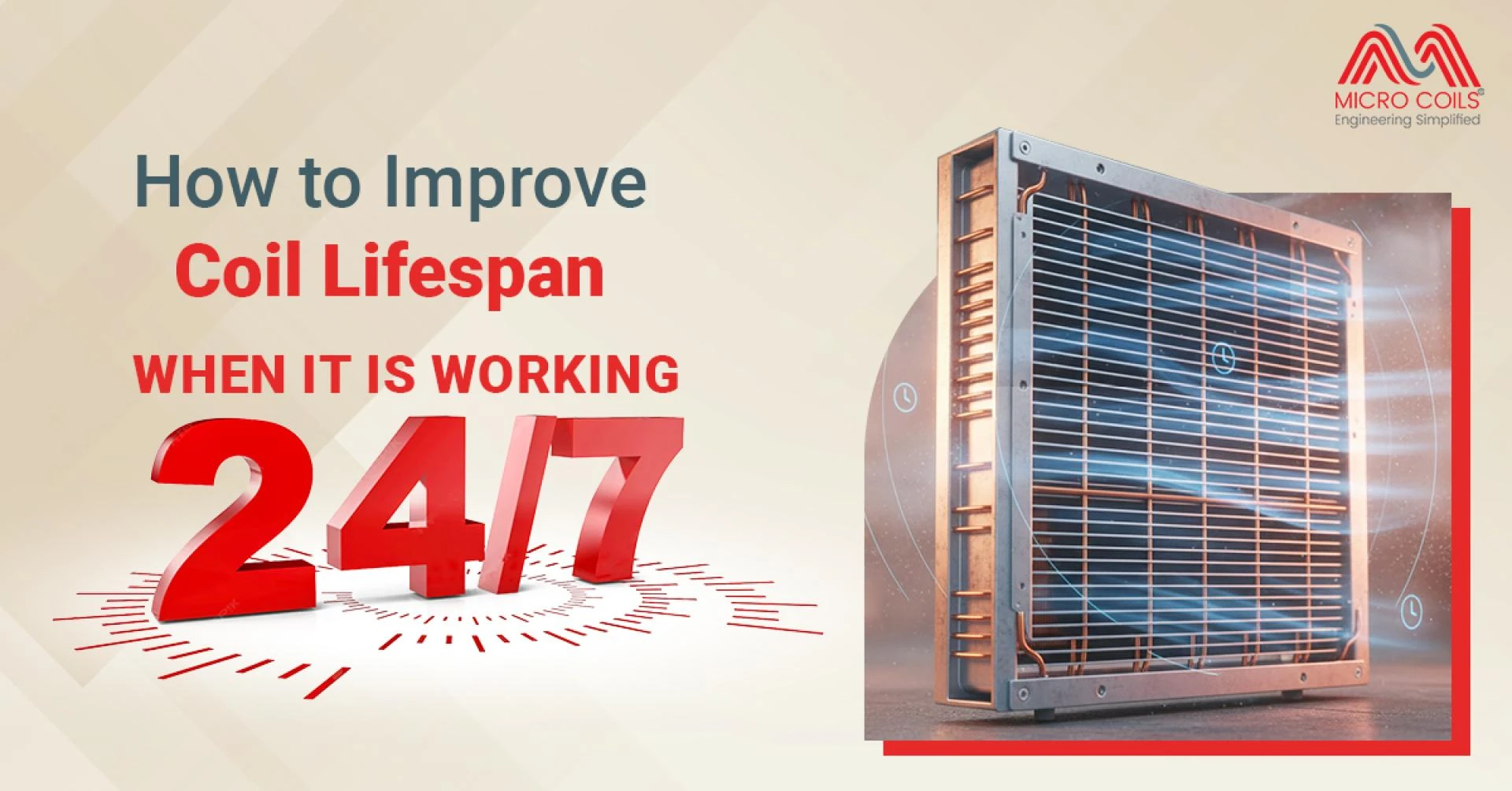
Cooling systems that run around the clock face far more stress than standard units. When an ac cooling coil operates without breaks, it deals with continuous airflow, constant heat transfer, and uninterrupted exposure to dust, moisture, and temperature fluctuations. Over time, all these factors slowly impact performance, efficiency, and overall lifespan. While it is impossible to eliminate wear and tear completely, there are practical ways to extend coil life and maintain cooling quality throughout the year.
To keep the coil healthy, you must understand how it works, what affects its durability, and how various environmental conditions accelerate degradation. A coil that functions continuously needs more attention because even minor issues can grow into big problems. The goal is not just to maintain efficiency, but to prevent failures that interrupt operations. Let’s explore the best methods to protect and extend the life of a 24/7 operating coil.
1. Maintain Optimal Airflow at All Times
Airflow is the foundation of coil performance. When airflow drops, the coil’s surface temperature falls, forcing the unit to work harder. This increases energy consumption and accelerates metal fatigue. Dust buildup is the most common cause of restricted airflow, and it grows faster in systems that never stop running.
Regular filter cleaning or replacement is essential for coils that run day and night. Even a small dust layer can act like insulation on the metal, reducing heat transfer and pushing the system into stress mode. Ensuring that blowers, ducts, and vents are free from obstruction keeps the coil healthy and prevents strain. Watch for unusual sounds or reduced cooling, as these may be early signs of airflow imbalance.
2. Implement High-Quality Cleaning and Surface Protection
A coil that operates 24/7 is exposed to constant humidity and contaminants. Moisture in the air leads to microbial growth, which gradually forms a layer on the metal. This layer reduces efficiency and also accelerates corrosion. Protecting the coil with periodic cleaning prevents these issues from taking root.
Coils should be cleaned using non-acidic, coil-safe solutions to avoid damaging the metal surface. After cleaning, applying protective coatings can significantly slow down corrosion. These coatings prevent moisture and pollutants from sticking to the coil, especially in environments with chemicals, dust, or high humidity. With continuous operation, these small steps go a long way toward extending lifespan.
3. Use Smart Cooling Enhancements for 24/7 Systems
When a cooling system runs non-stop, traditional methods alone might not be enough to manage temperature stress. This is where new technologies like adiabatic cooling provide additional support. By spraying a controlled fine mist around the air intake area, the system lowers incoming air temperature before it reaches the coil. This reduces the coil’s load and helps maintain stable performance.
Adiabatic systems prevent overheating during peak conditions and allow the coil to operate more efficiently without excessive strain. This not only boosts cooling performance but also extends coil life considerably. Businesses with high operational loads often adopt this method for long-term stability. When the coil works less aggressively, its metal surface and internal pathways stay healthier over time.
4. Ensure Proper Refrigerant Charge and System Balance
A coil running 24 hours a day must have the correct refrigerant level to function safely. Low refrigerant leads to pressure drops, causing the coil to freeze. High refrigerant forces the system to operate under unnatural stress levels, which reduces coil lifespan. Maintaining the correct balance protects internal components and ensures consistent cooling output.
Technicians should check refrigerant levels regularly in systems that never shut down. Pressure readings, temperature differences, and superheat measurements help identify early problems. Correct refrigerant charge also prevents oil migration issues within the system. When refrigerant flows smoothly, the coil’s internal surfaces stay well-lubricated and resistant to premature wear.
5. Reduce Heat Load on the Coil Whenever Possible
If the environment around the coil is too hot, the system must work harder to keep up. This extra load directly shortens coil life. Simple adjustments like improving ventilation around the unit or installing sunshades can significantly reduce the strain. Even minor reductions in heat exposure help the coil operate at safer temperatures.
In industrial setups, redirecting hot exhaust air away from the cooling system makes a big difference. For indoor units, maintaining good room ventilation helps avoid heat buildup around the coil housing. When heat load is controlled, metal stress reduces, and coil performance stays consistent. Every small improvement in heat management supports long-term durability.
6. Choose Durable Materials and High-Quality Manufacturing
Not all coils are built the same. The lifespan of a coil depends heavily on the quality of materials used and the precision of manufacturing. Working with a reputed heat exchanger manufacturer in India ensures higher reliability, better coatings, and improved durability. Manufacturers who maintain strict engineering standards produce coils that withstand long runtimes without breakdowns.
The choice of metal—copper, aluminum, or hybrid—affects corrosion resistance and efficiency. Proper fin spacing also determines how quickly dust accumulates. Companies running 24/7 cooling systems should invest in high-grade coils that are designed for continuous operation. A strong foundation helps reduce the long-term maintenance burden.
7. Regularly Check for Corrosion and Structural Weakness
Continuous operation exposes coils to cyclical temperature changes, which may weaken the metal over time. Even small areas of corrosion can expand quickly if ignored. Inspecting the coil periodically helps identify early damage before it turns into a significant failure. These inspections should check for rust spots, weakened fins, swelling, or discoloration.
In environments with industrial chemicals or high humidity, corrosion spreads faster. Routine checks help maintenance teams take corrective action early. Applying specialized coatings, replacing damaged fins, or cleaning microbial growth helps maintain coil health. Preventive action is always cheaper than emergency repairs.
8. Upgrade to Advanced Coil Designs When Needed
Modern coil designs are built for better durability, especially in 24/7 systems. Technologies such as welded plate heat exchangers or advanced plate coils offer stronger performance than older designs. In industries requiring continuous cooling, many companies invest in systems built by high-end pillow plate manufacturers, known for producing durable, energy-efficient surfaces.
These modern coil types improve heat transfer efficiency and resist corrosion more effectively than traditional designs. Upgrading may seem like a large cost upfront, but it significantly reduces long-term downtime and maintenance. For critical environments, this reliability is essential. The improved efficiency alone often makes the investment worthwhile.
Final Thoughts
Coils that work nonstop face constant stress, but with the right care, they can deliver long-lasting performance. Proper airflow, regular cleaning, refrigerant balance, and heat load management all play essential roles. Choosing durable materials and staying proactive with inspections also protect the coil’s lifespan.
Modern enhancements like adiabatic cooling and advanced coil designs offer even more stability. By following these strategies, businesses can keep their 24/7 systems running efficiently while preventing early coil failure. A well-maintained coil ensures consistent cooling, lower energy use, and fewer breakdowns—exactly what continuous operations demand.