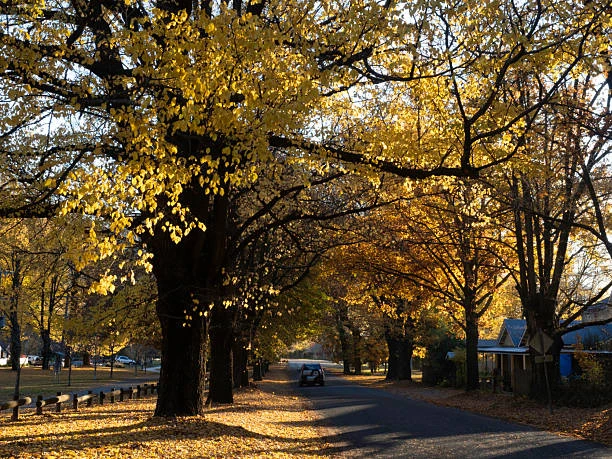
Golden elm trees (Ulmus glabra ‘Lutescens’) are beloved for their broad canopy, stunning yellow-green foliage, and graceful form. Often planted in parks, streetscapes, and private gardens, these majestic trees add beauty and shade to the landscape. However, like all trees, golden elms are susceptible to a variety of diseases and pests that can impact their health and longevity.
Understanding the symptoms of common golden elm diseases and knowing how to treat them is essential for keeping these iconic trees healthy.
1. Elm Leaf Beetle Infestation
Symptoms:
- Skeletonised or lace-like leaves
- Brown or scorched leaf appearance
- Premature leaf drop
- Presence of small green/yellow beetles or black larvae on the undersides of leaves
The elm leaf beetle is a significant pest that affects golden elms. The beetles and their larvae feed on elm leaves, stripping the soft tissue between veins. This can cause trees to become defoliated and stressed, especially if infestations occur over multiple seasons.
Treatment:
- Systemic insecticides (e.g., imidacloprid or emamectin benzoate) injected or applied as a soil drench can control larvae and adults.
- Trunk banding with insecticides can interrupt larval migration.
- Prune and destroy infested leaves to reduce population buildup.
- Encourage natural predators like lacewings and parasitic wasps.
2. Powdery Mildew
Symptoms:
- White, powdery coating on the surface of leaves
- Curling or distortion of young leaves
- Reduced photosynthesis and aesthetic appeal
Powdery mildew is caused by fungal spores and thrives in warm, dry conditions with poor air circulation. Although not fatal, repeated infections can stress trees and reduce vigour.
Treatment:
- Improve air circulation by pruning crowded branches.
- Water at the base to avoid wetting leaves.
- Apply fungicidal sprays such as sulfur or potassium bicarbonate during early signs of infection.
- Remove and dispose of infected foliage.
3. Verticillium Wilt
Symptoms:
- Wilting and yellowing of leaves, often on one side of the tree
- Branch dieback
- Dark streaks under the bark in cross-sections of affected branches
Verticillium wilt is a soil-borne fungal disease that invades through the roots and spreads through the vascular system. Golden elms are moderately susceptible, and once infected, there is no cure.
Treatment:
- Prune affected limbs well below the visible dieback area and sterilise tools between cuts.
- Improve soil health and mulch regularly to reduce stress.
- Avoid overwatering and provide balanced fertilisation.
- In severe cases, affected trees may need removal to prevent spread.
4. Anthracnose
Symptoms:
- Brown or black irregular spots on leaves
- Twisting and wilting of leaves
- Dieback of twigs, especially in spring
Anthracnose is a fungal disease that thrives in cool, wet conditions and targets new growth. It can be mistaken for frost damage or general leaf scorch.
Treatment:
- Prune and destroy infected twigs and leaves.
- Improve canopy airflow through strategic thinning.
- Apply fungicides like copper oxychloride during early bud break if the infection is recurring.
- Keep the area beneath the tree clean of fallen debris.
5. Root Rot (Phytophthora spp.)
Symptoms:
- Poor growth and pale, yellowing leaves
- Wilting despite adequate watering
- Mushy roots and foul odour at the base
- Sudden tree declines or death
Root rot is caused by fungal pathogens in waterlogged soil. Golden elms, like most trees, are highly vulnerable when planted in areas with poor drainage.
Treatment:
- Improve soil drainage immediately.
- Avoid overwatering and ensure proper mulching (keep mulch away from the trunk).
- Treat with fungicides containing phosphorous acid if caught early.
- In advanced cases, removal of the tree may be necessary to prevent spread to nearby vegetation.
6. Cankers
Symptoms:
- Sunken, discoloured, or cracked areas on the trunk or branches
- Bleeding sap or ooze from affected areas
- Dieback of twigs and branches above the canker
Cankers are areas of dead tissue caused by fungal or bacterial pathogens, often following injury or stress. They can girdle branches or even entire trunks, cutting off nutrient flow.
Treatment:
- Prune out infected limbs during dry weather and sterilise pruning tools.
- Avoid mechanical injuries and protect the trunk from lawn equipment.
- Keep trees healthy with proper watering and mulching to increase resistance.
General Prevention Tips for Golden Elm Health
Many golden elm diseases are opportunistic, taking advantage of stressed or poorly maintained trees. Here’s how to give your golden elm the best chance at long-term health:
Regular Pruning
Promotes airflow and removes weak, damaged, or crossing branches that could become entry points for disease.
Proper Watering
Water deeply and less frequently to encourage deep root growth. Avoid surface watering, which encourages shallow roots and fungal growth.
Mulching
Use organic mulch like bark chips around the base to retain moisture and regulate soil temperature. Keep mulch at least 10 cm away from the trunk.
Fertilise Wisely
Avoid over-fertilisation. Use a balanced, slow-release fertiliser during early spring to support healthy growth.
Annual Inspections
Have a qualified arborist inspect your tree annually. They can catch early signs of disease and recommend appropriate treatments.
When to Call a Professional Arborist
While home gardeners can manage minor issues with DIY treatments, severe infections, large trees, or diseases involving the vascular system (like verticillium wilt or root rot) require professional care. Certified arborists can perform accurate diagnoses, prescribe targeted treatments, and ensure tree safety.
Final Thoughts
Golden elm trees are a beautiful and valuable addition to any landscape, but they do require attention and care to remain healthy. By learning to identify the early signs of disease and implementing timely treatment, you can ensure your golden elm thrives for decades.
Prevention, good horticultural practices, and regular monitoring are your best defences. Whether you're managing a single tree in your backyard or an entire avenue of golden elms, proactive care will preserve their beauty and vitality for years to come.