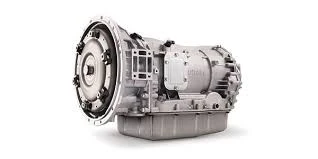
Allison transmissions have earned a legendary reputation in the world of work trucks. Known for durability, strength, and reliability, they are commonly found in heavy-duty pickups, medium-duty trucks, and commercial applications where consistent performance is non-negotiable. However, even the toughest transmission needs proper care and smart operation to deliver its full potential. Whether your truck is used for towing, hauling, plowing, or daily jobsite work, getting the most out of your Allison transmission requires the right habits, maintenance, and setup.
Understand What Makes Allison Different
Before optimizing performance, it helps to understand why Allison transmissions stand out. Unlike many light-duty automatic transmissions, Allison units are designed with commercial use in mind. They feature larger clutch packs, stronger internals, advanced cooling capacity, and sophisticated shift logic tailored for heavy loads.
Allison transmissions are engineered to manage torque efficiently while minimizing heat and wear. Their adaptive learning technology adjusts shift timing based on load, driving style, and terrain. When used correctly, this design allows the transmission to last hundreds of thousands of miles in demanding conditions.
Follow Proper Maintenance Intervals
Maintenance is the single most important factor in maximizing transmission life.
Allison transmissions generally have longer service intervals than many competitors, but that does not mean maintenance can be ignored. Regular fluid and filter changes are essential, especially for work trucks operating under severe-duty conditions such as frequent towing, stop-and-go driving, or extreme temperatures.
Using the correct transmission fluid is critical. Allison-approved fluids are designed to handle high heat and shear forces while maintaining proper lubrication. Using the wrong fluid can reduce shift quality and shorten component life. Always follow manufacturer recommendations for fluid type and service schedules based on your usage.
Manage Heat Effectively
Heat is the enemy of any automatic transmission, even one as robust as an Allison.
Work trucks often operate under heavy loads for extended periods, which naturally generates heat. While Allison transmissions are well-equipped with cooling systems, additional measures can help ensure optimal temperatures. Keeping the cooling system clean and functioning properly is essential. This includes maintaining the radiator, transmission cooler, and ensuring airflow is not restricted by debris or equipment.
Monitoring transmission temperature is also a smart habit. If temperatures consistently run high, it may indicate excessive load, inadequate cooling, or the need for service. Prolonged overheating can lead to fluid breakdown and accelerated wear, even in a heavy-duty transmission.
Use Tow/Haul Mode Correctly
Tow/haul mode is one of the most valuable features for work truck owners, yet it is often misunderstood or underused.
When activated, tow/haul mode adjusts shift points, increases line pressure, and enhances engine braking. This reduces clutch slippage, improves control, and helps manage heat when hauling or towing heavy loads. Using tow/haul mode whenever the truck is under significant load—rather than only on steep grades—can significantly extend transmission life.
For downhill driving, tow/haul mode also improves grade braking, reducing reliance on the service brakes and maintaining better overall vehicle control.
Drive With Load in Mind
Driving habits have a direct impact on transmission longevity.
Smooth throttle input, gradual acceleration, and avoiding unnecessary full-throttle launches can reduce stress on internal components. When towing or hauling, allowing the transmission to shift naturally rather than forcing aggressive downshifts helps preserve clutch packs and gears.
Avoid excessive gear hunting by maintaining steady speeds when possible. If the transmission frequently shifts between gears under load, adjusting speed or engaging tow/haul mode can stabilize operation and reduce wear.
Keep the Power Within Reason
One of the reasons Allison transmissions are so popular is their ability to handle increased power. However, even they have limits.
Moderate power upgrades, such as mild tuning, are generally well-tolerated when paired with proper cooling and maintenance. Extreme horsepower increases, aggressive tuning, or constant high-torque operation can still overwhelm internal components over time.
If power upgrades are planned, supporting modifications—such as improved cooling, upgraded torque converters, or internal reinforcements—can help ensure reliability. The goal is to enhance performance without compromising the transmission’s core strength.
Pay Attention to Warning Signs
Catching problems early can save thousands of dollars and prevent downtime.
Warning signs such as delayed engagement, harsh or slipping shifts, unusual noises, or overheating should never be ignored. Allison transmissions are known for consistency, so any change in behavior is worth investigating. Addressing small issues early can prevent major failures and keep the truck working when it is needed most.
Regular diagnostic checks can also identify issues with sensors, solenoids, or control modules before they escalate into mechanical damage.
Match the Transmission to the Job
Even the best transmission performs best when used within its intended role.
If your work truck frequently operates at or near maximum capacity, ensure the transmission is properly geared and configured for that workload. Tire size, axle ratios, and load distribution all affect how hard the transmission has to work. Keeping the drivetrain balanced reduces unnecessary strain and improves efficiency.
For trucks used in extreme environments—such as construction sites, oil fields, or snow removal—more frequent service and inspections may be necessary to maintain peak performance.
Conclusion
An Allison transmission is a powerful asset for any work truck, but its legendary durability is not automatic—it is earned through proper use and care. By following recommended maintenance, managing heat, using tow/haul mode wisely, driving with load awareness, and addressing issues early, owners can unlock the full potential of their Allison transmission.
When treated correctly, an Allison transmission does more than just shift gears—it becomes a dependable partner that keeps your work truck moving, productive, and reliable for years to come.