
Discovering a dead animal on your property, whether it's a rat, bird, possum, or something larger, immediately raises the question of how to remove it safely. The instinct to avoid direct contact is a good one, as dead animals carry bacteria and parasites that pose real health risks even after death. Fortunately, there are several practical, hands-free methods that allow you to remove a deceased animal from your yard, roof space, or garden without ever touching it directly. If the situation feels too difficult or the animal is in a hard-to-reach spot, professional Dead Animal Removal Pakenham services are available to take care of the job entirely, but many homeowners prefer handling smaller, accessible situations themselves using the right tools and approach.
Why Direct Contact Should Always Be Avoided
Dead animals of any kind carry bacteria including salmonella, E. coli, and various other pathogens that remain active on fur, feathers, skin, and in bodily fluids long after death. Even brief skin contact creates a pathway for these bacteria to enter your body through small cuts, your eyes, or your mouth if you touch your face without realising it.
Parasites present an additional risk. Fleas, ticks, and mites often abandon a host as soon as it dies, searching for a new warm-blooded body to latch onto instead. Handling a carcass without protection increases the likelihood of these parasites transferring onto you, your clothing, or your pets, spreading the problem further into your home.
Certain native Australian animals are also protected by law, meaning there are legal considerations around handling them, even after death. Whilst removing a deceased animal from your own property is generally permitted, it's worth understanding your local regulations, particularly if the animal is a protected species.
Gathering the Right Tools Beforehand
Before approaching the carcass, gather everything you'll need so you're not searching for supplies partway through the task. Proper preparation prevents unnecessary handling and keeps the entire process quick, contained, and stress-free.
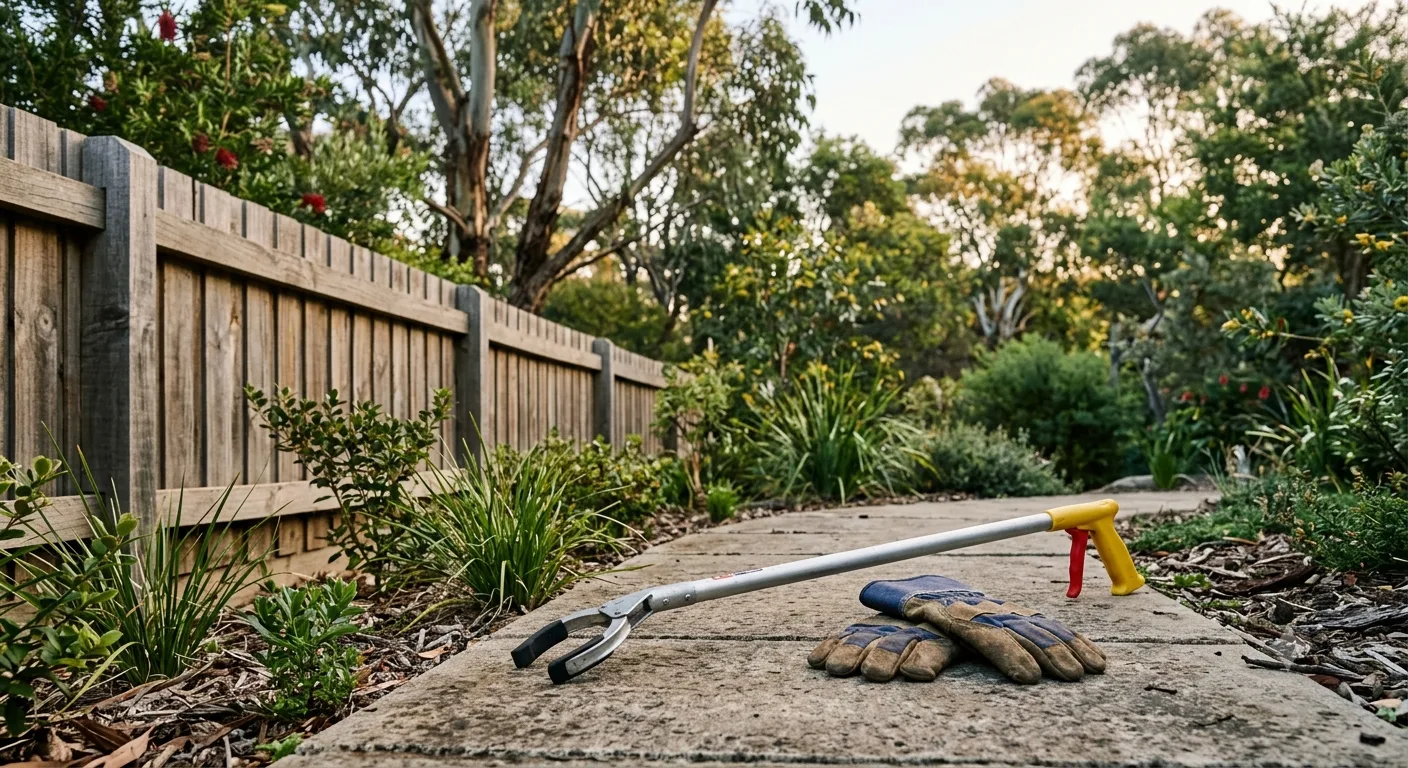
A long-handled grabber tool, sometimes called a pick-up reacher, is one of the most versatile items for this job. These tools feature a trigger grip and rubber-tipped jaws, letting you firmly hold an animal and lift it directly into a bag without bending down or getting close. They work well for animals ranging from small birds and rats through to possums and cats, and are inexpensive and widely available at hardware stores.
Heavy-duty plastic garbage bags are essential regardless of the animal's size. Standard kitchen bags tear far too easily, so opt for contractor-grade or thick garden waste bags instead. Having two bags ready allows for double-bagging, which contains odours effectively and prevents any leakage during transport or disposal.
A flat-edged shovel or spade serves as a helpful alternative or addition to a grabber tool, particularly useful for animals in awkward positions, larger animals, or carcasses that are partially decomposed. The flat edge slides underneath the body more easily than a pointed shovel, allowing you to scoop and lift without direct contact.
Disposable gloves worn underneath your grabber tool or shovel handle add an extra layer of protection in case of accidental contact with tool surfaces afterwards. Even though you won't be touching the animal directly, this precaution guards against any contamination that might transfer onto handles during use.
Step-by-Step Removal Using a Grabber Tool
Start by positioning your heavy-duty bag on the ground close to the animal, opened wide so you can drop it in without needing to reposition multiple times. This minimises unnecessary movement and reduces the chance of the tool slipping mid-task.
Using your long-handled grabber, approach the animal from a comfortable standing distance. Grip it firmly around the midsection, applying enough pressure to lift it securely without the tool slipping. Most small to medium animals are light enough that standard grabber tools handle the weight without any difficulty.
Lift the animal slowly and move it directly over the opened bag. Release the grabber's trigger grip to drop it into the bag. Avoid swinging or rushing this movement, as sudden motions increase the risk of the tool slipping or the animal missing the bag opening entirely.
Once inside, tie the bag securely, removing as much air as possible before sealing to minimise odour escape. Place this bag inside your second bag and tie it off separately. Double-bagging is a simple step that makes a significant difference in odour containment and overall hygiene.
Using a Shovel Method Instead
If you don't have access to a grabber tool, a flat-edged shovel works as an effective substitute, particularly for larger or heavier animals. Position your bag on its side next to the carcass with the opening facing the animal, ready to receive it.
Slide the shovel blade carefully underneath the animal's body, working slowly to achieve full support along its length. Animals that have been deceased for some time may be more fragile, so gentle, steady movements prevent the body from breaking apart, which would create a far messier and more complicated cleanup.
Once fully supported on the shovel, lift and tip the animal directly into your waiting bag. This method requires slightly more coordination than a grabber tool but works just as effectively when done carefully and without rushing. Tie the bag securely afterwards and double-bag as described above.
Removing an Animal From a Roof Space
Roof spaces present particular challenges since access is often limited and animals may be positioned in awkward, hard-to-reach spots. If you can see the carcass and reach it comfortably using an extended grabber tool through a manhole or roof access point, the same bagging technique applies, just be mindful of your balance and footing whilst working in confined spaces.
For animals located deeper within roof cavities, beyond comfortable reach, this is where professional assistance becomes the safer choice. Attempting to crawl through insulation and roof framing to reach a carcass increases your risk of injury, exposure to contaminated dust, and potential structural damage to your roof.
If you do attempt roof access yourself, always wear a properly fitted P2 or N95 respirator mask, as decomposition particles and roof insulation dust both pose respiratory risks. Ensure someone else in your household is aware you're accessing the roof space in case you need assistance.
What to Do With the Bagged Animal
Once safely bagged, place the animal in a sealed outdoor bin away from living areas until you can arrange disposal. Never leave a bagged carcass sitting in warm conditions for extended periods, as this accelerates decomposition and intensifies odours that can eventually permeate through bags over time.
Check your local council's specific guidelines regarding dead animal disposal. Many councils allow double-bagged animals in general household rubbish if the animal is small enough, whilst others require separate collection arrangements or drop-off at designated facilities. Confirming this beforehand avoids any complications on collection day.
If burial is permitted on your property and you prefer this method, dig a hole at least 60 centimetres deep, positioned well away from vegetable gardens, water sources, and property boundaries. This depth discourages other animals from digging up the remains and reduces any lingering odour reaching the surface.
Cleaning the Area Afterwards
Once the animal has been removed, the area where it was lying requires thorough cleaning, even if no visible mess remains. Decomposition fluids can soak into soil, timber decking, or concrete, leaving behind bacteria that pose ongoing health risks if left untreated.
Prepare a disinfectant solution using one part household bleach to ten parts water for hard surfaces like concrete or timber. Apply generously and allow it to sit for at least ten minutes before rinsing thoroughly. For grassed areas, consider using an enzymatic cleaner designed to break down organic matter, as these are gentler on plants whilst still eliminating bacteria and odours effectively.
Wearing gloves throughout this cleaning process is just as important as during the removal itself, since you're now dealing with potential contamination on the surfaces the animal was resting on.
When Professional Help Makes More Sense
Whilst many dead animal situations can be managed safely using the tools and techniques outlined above, certain circumstances call for professional assistance instead. If the animal has died in a roof cavity beyond safe reach, or if decomposition is advanced and the carcass has begun breaking apart, professional removal services save you from unnecessary risk and mess.
Homeowners across Melbourne's northern suburbs searching for Dead Animal Removal Preston services often reach out specifically because roof access, advanced decomposition, or larger animals require specialised equipment like thermal cameras and proper extraction tools that aren't practical for a one-off homeowner purchase.
Professional technicians also carry appropriate disposal permits and understand regulations around handling protected native species, ensuring the situation is dealt with correctly from both a legal and practical standpoint.
Preventing Future Incidents on Your Property
After dealing with a dead animal, it's worth taking steps to prevent similar situations occurring again. Check your roof space, walls, and foundation for entry points that might have allowed the animal inside in the first place. Common access points include gaps around roof tiles, damaged fascia boards, and openings where pipes enter the building.
Installing guards on trees and downpipes near your house prevents easy climbing access to your roofline for possums and other climbing animals. These smooth metal or plastic bands wrap around trunks and poles, stopping animals from gripping and climbing past them.
Trimming tree branches that overhang your roof removes another common access route, as many animals use branches as bridges onto rooftops. Keeping branches at least two metres from your roofline makes this jump too far for most animals to attempt.
Sealing smaller gaps around your home's exterior with steel wool or mesh prevents rodents and smaller creatures from entering wall cavities or subfloor spaces where they might become trapped and die in inaccessible locations.
Conclusion
Removing a dead animal without touching it directly is entirely achievable using simple tools like a long-handled grabber or flat-edged shovel, combined with heavy-duty bags for safe containment. Taking the time to prepare properly, moving slowly and carefully, and thoroughly cleaning the affected area afterwards protects you from the bacteria and parasites that animals carry even after death. For situations involving roof spaces, advanced decomposition, or larger animals, professional removal services offer a safer and more thorough solution. Whichever approach you choose, prioritising your health and safety throughout the process ensures the situation is resolved without unnecessary risk to you or your family.