
Getting fit is more than just an aesthetic goal; it’s a journey toward better health, increased energy, and improved overall well-being. Many people struggle with knowing where to start, but achieving fitness is possible with a structured approach, consistency, and the right mindset. Whether you are new to exercise or returning after a break, understanding how to get fit can help you create lasting habits that benefit both your body and mind.
Start with Clear Goals
Before beginning a fitness journey, it’s essential to define what “fit” means for you. Are you aiming to lose weight, build muscle, increase endurance, or improve flexibility? Setting specific, measurable, attainable, relevant, and time-bound (SMART) goals helps provide direction and motivation. For example, committing to exercise for 30 minutes five times a week or running a 5K within three months gives you a tangible target to work toward.
Build a Balanced Exercise Routine
A well-rounded approach to fitness incorporates several types of exercises to ensure all aspects of health are addressed:
- Cardiovascular Exercise: Activities like jogging, cycling, swimming, or high-intensity interval training (HIIT) improve heart health, burn calories, and enhance stamina. Aiming for at least 150 minutes of moderate-intensity cardio per week is recommended for general health.
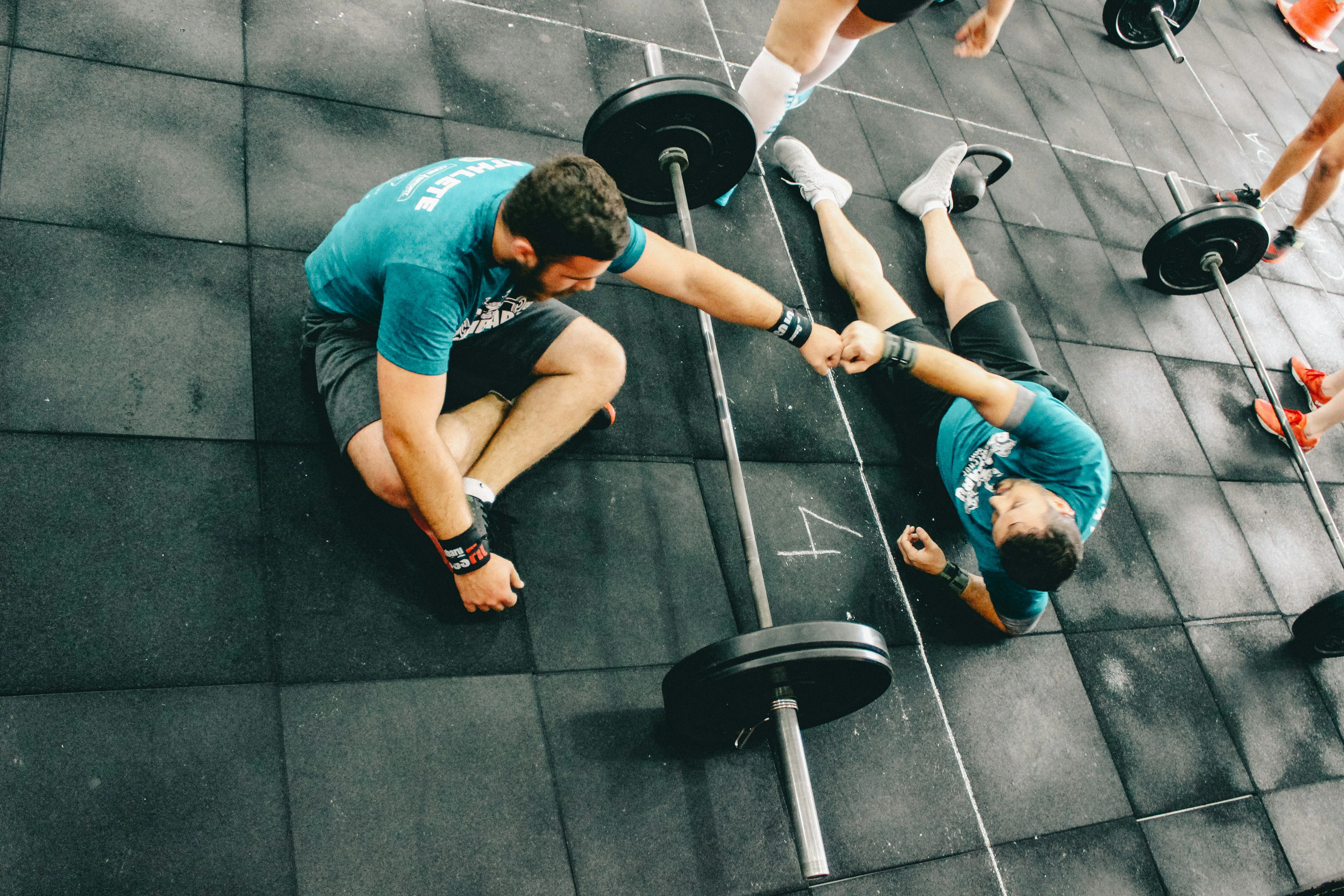
- Strength Training: Lifting weights, resistance bands, or bodyweight exercises build muscle, strengthen bones, and boost metabolism. Strength training also enhances functional fitness, making daily activities easier and reducing the risk of injury.
- Flexibility and Mobility Work: Stretching, yoga, and Pilates improve flexibility, balance, and joint mobility. Including these exercises in your routine reduces muscle tension, prevents injuries, and enhances overall physical performance.
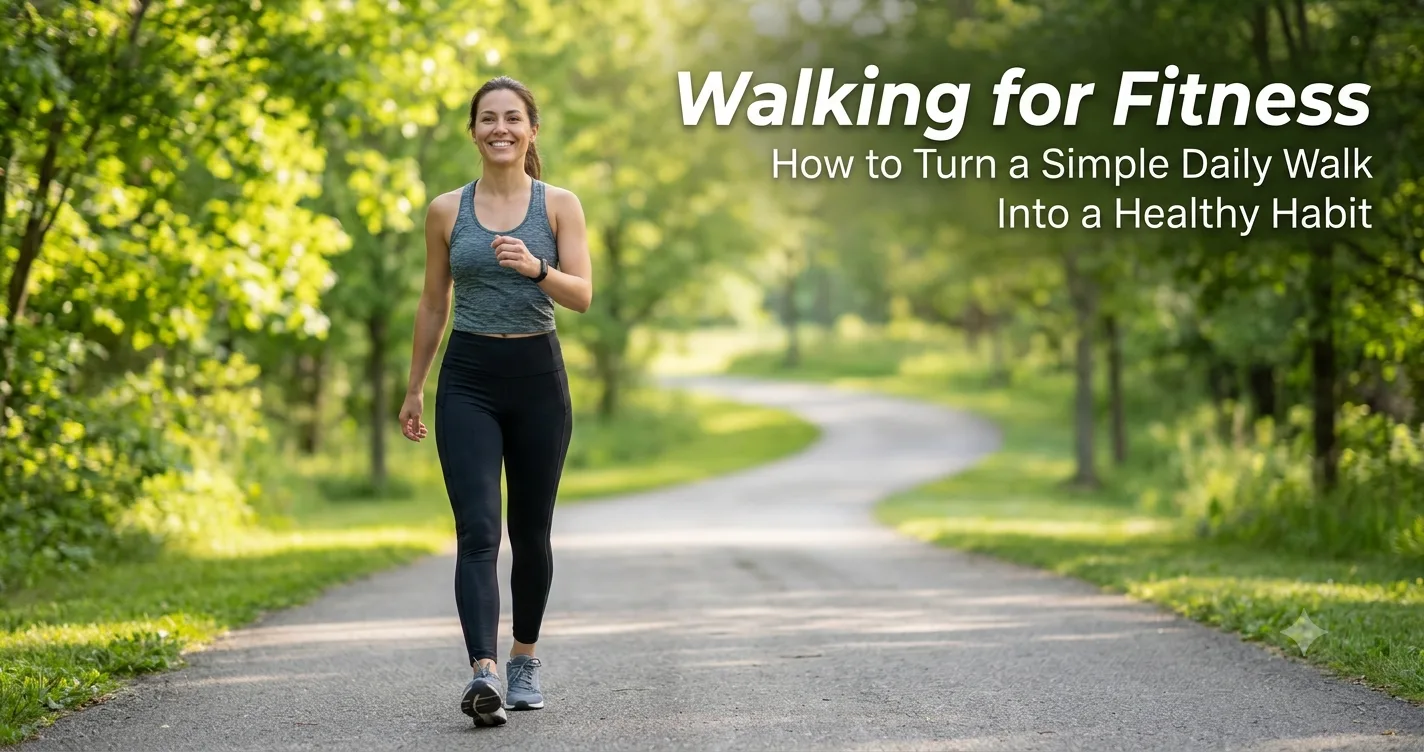
- Recovery and Rest Days: Rest is just as important as exercise. Proper recovery allows muscles to repair, prevents overtraining, and helps maintain long-term consistency. Incorporating rest days or light activity, such as walking or gentle stretching, supports optimal progress.
Focus on Nutrition
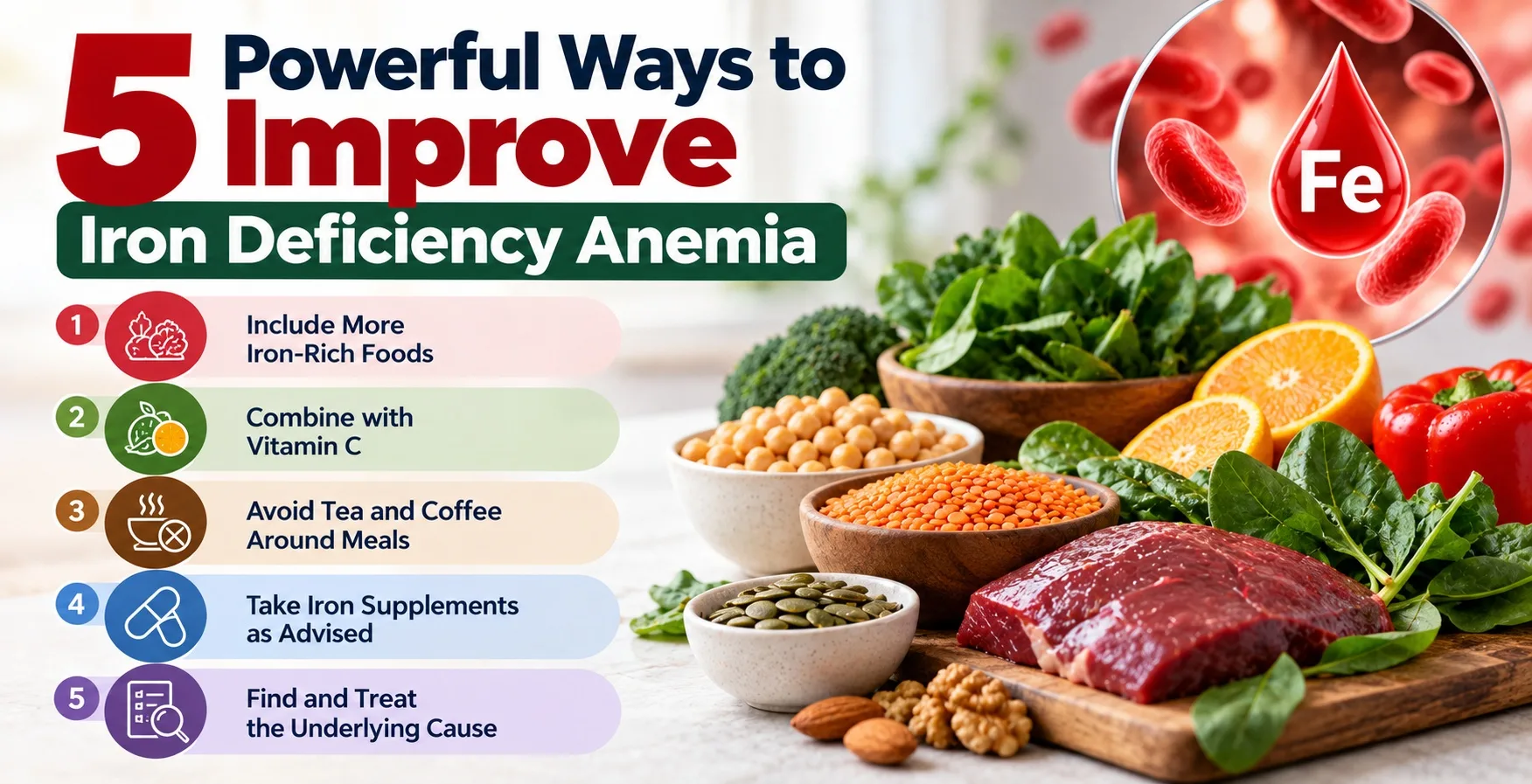
Exercise alone is not enough to achieve fitness. A balanced diet fuels workouts, supports muscle growth, and promotes overall health. Prioritize lean proteins, whole grains, healthy fats, and plenty of fruits and vegetables. Staying hydrated is equally critical, as water regulates body temperature, aids digestion, and improves energy levels. Avoid fad diets or extreme restrictions, as sustainable nutrition is key to maintaining fitness long-term.
Make Fitness a Lifestyle
Getting fit is a lifelong commitment rather than a temporary challenge. Incorporating movement into your daily life—taking the stairs, walking instead of driving short distances, or doing bodyweight exercises during breaks—reinforces habits and promotes consistency. Tracking your progress, celebrating milestones, and seeking social support through fitness communities or workout partners can enhance motivation and make the journey enjoyable.
Mental and Emotional Benefits
Fitness isn’t just about physical changes. Regular exercise boosts mental health by reducing stress, anxiety, and depression. It improves focus, mood, and overall cognitive function. Many people find that consistent physical activity increases confidence, self-discipline, and resilience, reinforcing the mind-body connection that is vital for overall well-being.
Conclusion
Learning how to get fit requires dedication, consistency, and a holistic approach. By combining cardiovascular exercises, strength training, flexibility work, proper nutrition, and adequate recovery, you can create a sustainable fitness plan that improves both physical and mental health. Making fitness a priority in your lifestyle ensures long-term benefits, higher energy levels, and a healthier, more vibrant life.