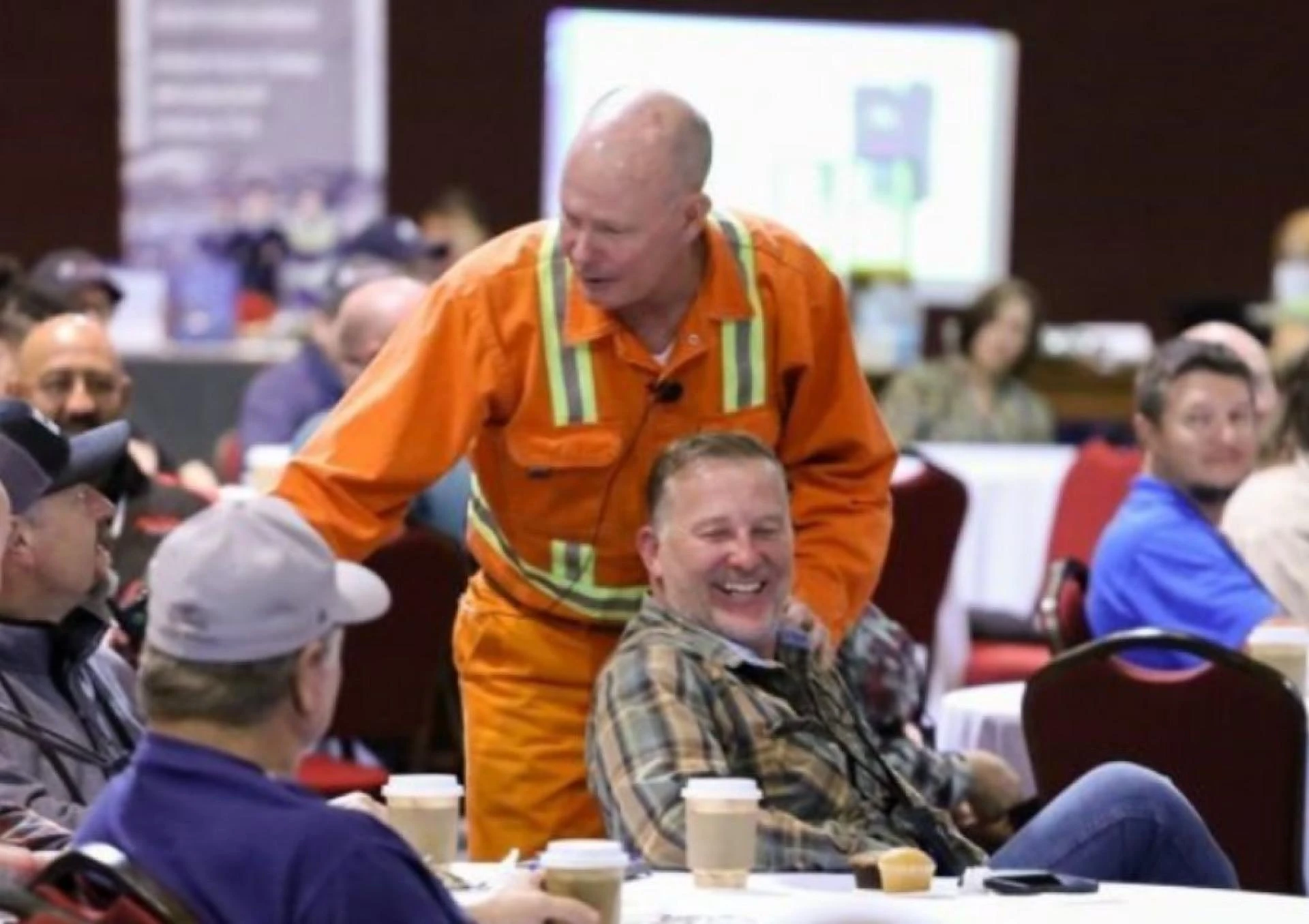
Keeping your team safe at work isn’t just about posting rules or checking boxes. True safety happens when employees care about their own well-being and look out for each other. That’s where safety motivation for employees comes in. But here’s the tricky part: you want them motivated without hovering over every move. This guide breaks down how to do it right.
Table of Contents
- What Safety Motivation for Employees Really Means
- Why Micromanaging Can Backfire
- Easy Ways to Encourage Safe Behavior
- Building Trust and Responsibility in the Workplace
- Key Takeaway
- FAQs
What Safety Motivation for Employees Really Means
Safety motivation for employees is all about getting people to care about safety naturally. When employees understand why safety matters and see the consequences of ignoring it, they are more likely to stick to rules on their own. Telling a story about a workplace accident can hit home better than a list of do’s and don’ts. Once employees connect the dots between actions and real-life results, safety becomes second nature.
Why Micromanaging Can Backfire
It’s tempting to check every box, watch every move, and breathe down your team’s neck. But micromanaging often makes things worse. Employees can feel like they’re not trusted. They might cut corners, wait for instructions, or stop thinking for themselves. Safety shouldn’t be about fear. It’s about smart choices. Giving employees space actually encourages them to take ownership of their safety.
Easy Ways to Encourage Safe Behavior
Here are some ways to build safety motivation for employees without going overboard:
- Lead by Example: If supervisors follow safety rules, employees are more likely to do the same. It’s like the saying goes: actions speak louder than words. When leaders walk the talk, safety becomes part of everyday work life.
- Keep Instructions Simple: Confusing rules just make people tune out. Use simple steps, short videos, and visuals to show what’s expected. When employees know exactly what to do, they don’t need constant reminders.
- Reward Good Behavior: Everyone likes a pat on the back. Recognize employees who follow safety rules. Even small shout-outs in team meetings can go a long way. Positive reinforcement keeps motivation high and shows that safe behavior matters.
- Encourage Open Talk: Make it easy for employees to speak up about hazards or near misses. When people feel heard, they are more likely to notice and prevent accidents. Open communication builds trust and keeps everyone alert.
- Give Employees Ownership: Let employees take part in safety planning or committees. When they help come up with solutions, they feel responsible for outcomes. Ownership makes safety personal, and people naturally stick to the rules they helped create.
Building Trust and Responsibility in the Workplace
Trust is a big deal. When employees know their supervisors trust them to make the right call, they usually rise to the occasion. You can build trust by sharing responsibility, setting team safety goals, and checking in regularly without micromanaging. Employees who feel trusted are more likely to internalize safe habits. Over time, safety becomes part of the culture instead of just a checklist.
It’s also about encouraging teamwork. When everyone looks out for each other, safety becomes a shared responsibility. Teams that trust each other are sharper, quicker to spot risks, and less likely to cut corners.
Important Note
Fostering safety motivation for employees doesn’t mean watching every move. Lead by example, make instructions clear, reward good behavior, encourage open communication, and give employees ownership. When you do this, safety stops being a chore and becomes a habit. Motivated employees are safer employees.
FAQs
1. Can safety motivation really reduce accidents without micromanaging? Absolutely. When employees feel trusted and responsible, they follow safety rules naturally.
2. How can leaders encourage safety without hovering? Set examples, give clear instructions, celebrate safe actions, and create a space for open conversation.
3. What’s the biggest mistake in motivating employees for safety? Trying to control every step. Micromanaging can make employees disengaged and dependent, which is the opposite of motivation.
By keeping things simple, positive, and trust-based, you can build a workplace where safety is part of the culture, not just a rule to follow. Employees will look out for themselves and each other without you having to micromanage every single move!