If you've experienced the transformative power of Pilates and are now looking to turn your passion into a profession, becoming a certified Pilates instructor is the next logical step. Whether you dream of leading mat classes, using reformers, or working with rehabilitation clients, the right certification can set the foundation for a rewarding and flexible career in the fitness and wellness industry.
If you've ever searched “Pilates certification near me,” you’re likely to be greeted with a wide variety of options—each promising different styles, durations, and scopes. This article will help you understand what to look for in a Pilates certification program, what the process involves, and how to choose the best one that aligns with your goals.
Why Certification Matters
Pilates is not just about movement; it’s about technique, safety, anatomy, and progression. A proper certification ensures you gain in-depth knowledge of human anatomy, biomechanics, and the core principles of Pilates, which is crucial for teaching safe and effective sessions. Certification also builds your credibility and opens up professional opportunities, whether at fitness studios, rehabilitation centers, or even in your own independent practice.
Types of Pilates Certifications
There are two primary types of Pilates certifications:
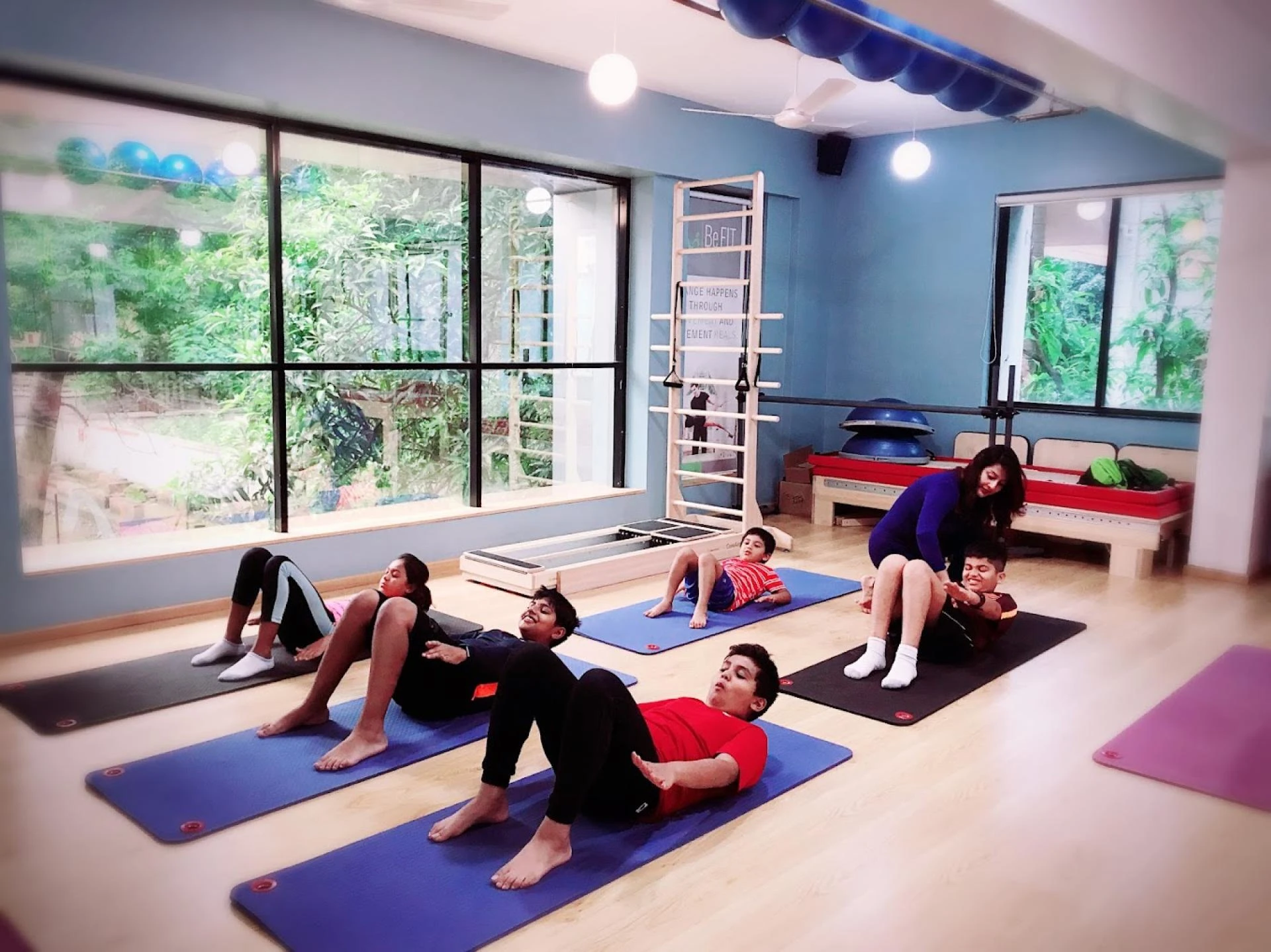
- Mat Certification: This is the most accessible and common entry point. It focuses on classical and contemporary mat exercises and usually requires less training time. Ideal for group classes and home-based sessions.
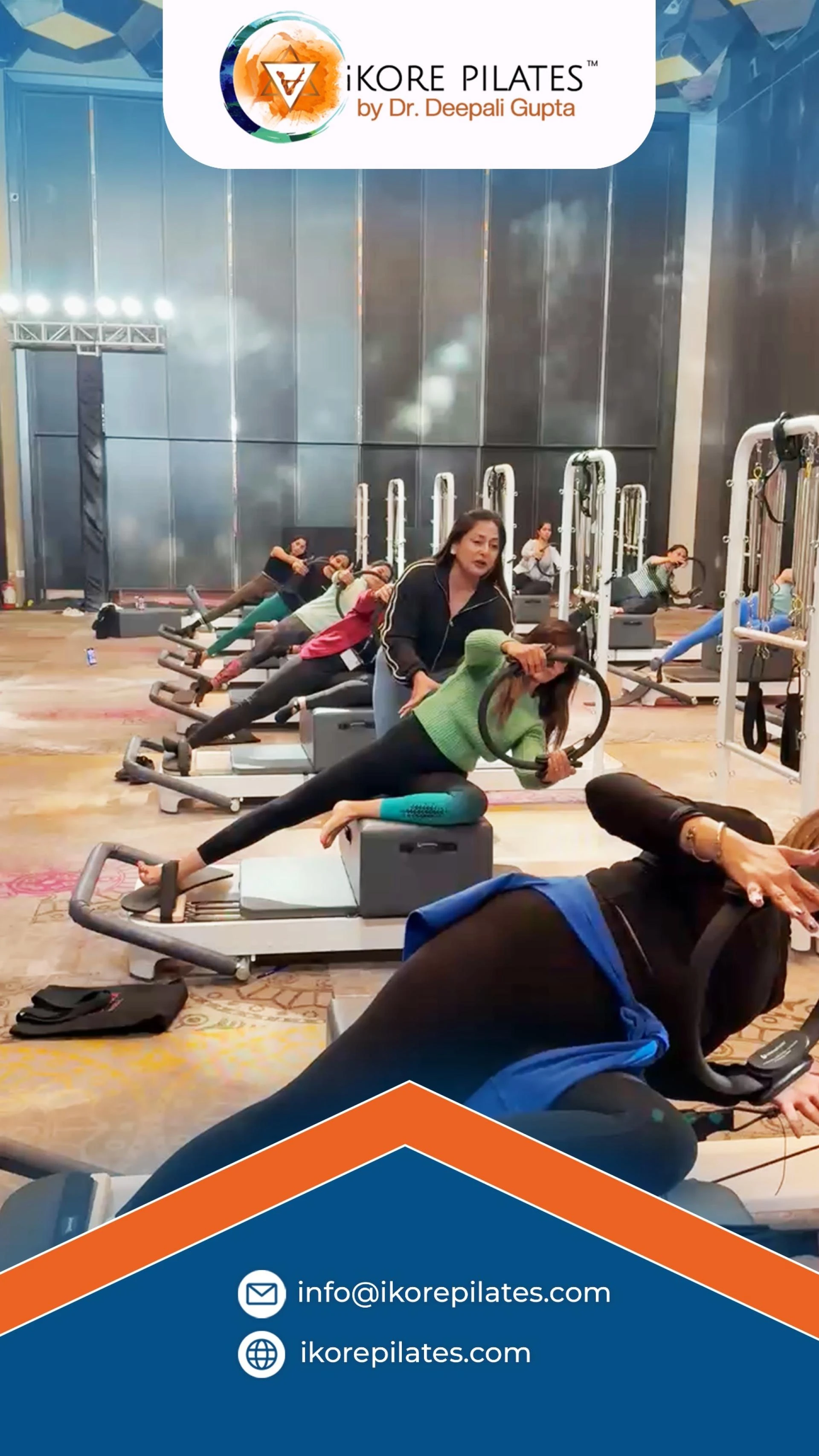
- Comprehensive Certification: This covers both mat and equipment-based Pilates (like the reformer, Cadillac, and chair). It is more in-depth and is suited for those looking to work in professional studios or clinical settings.
Depending on your career goal, you can start with a mat certification and gradually advance to a comprehensive one.
What to Look for in a Program
When choosing a Pilates certification program, here are the key factors to consider:
- Accreditation & Recognition: Ensure the program is recognized by reputable Pilates or fitness associations. International recognition can also be a plus if you plan to work abroad.
- Instructor Qualifications: Check the credentials and teaching experience of the program's lead educators. Learning from a well-experienced instructor makes a significant difference in your learning journey.
- Curriculum: A quality program should include anatomy, biomechanics, class sequencing, cueing techniques, practical teaching hours, and postural assessments.
- Practical Training: Make sure the program offers hands-on experience and opportunities to observe or assist classes. This builds real-world confidence and skill.
- Flexibility: If you’re working or have other responsibilities, consider weekend programs or hybrid models that combine online theory with offline practice.
- Location & Facilities: Since you're searching locally, visit the studio beforehand if possible. Evaluate the environment, equipment quality, and overall vibe. A supportive atmosphere can enhance your learning experience.
A Pilates certification program typically takes 3 to 12 months, depending on its structure and your availability. Expect the following steps:
- Enrollment & Theory: You begin with theoretical sessions on anatomy, Pilates principles, and teaching methodologies.
- Practical Workshops: Here, you get hands-on experience with Pilates movements, equipment usage, and teaching practice.
- Observation & Apprenticeship: Some programs require hours of observation or assisting live classes before taking the exam.
- Final Exam: Most courses culminate in a written and practical assessment. Upon passing, you’ll receive your certification and be ready to teach.
Once certified, you can work in gyms, yoga and Pilates studios, rehab clinics, or even start your own classes. Many instructors also take continuing education courses to expand their expertise in special populations, pre/post-natal Pilates, or advanced equipment work.
Final Thoughts
Choosing the right Pilates certification is a deeply personal decision influenced by your goals, learning style, and available time. Do your research, talk to past students, and visit the training centers if you can. Remember, this is more than just a course—it’s a long-term investment in your career and the well-being of those you'll guide.
So the next time you wonder about “Pilates certification near me,” think beyond proximity—think quality, depth, and the kind of teacher you aspire to be.