
Finding a trusted CPA for your tax needs is an essential step for individuals and small businesses who want accurate tax preparation, effective tax planning, and reliable financial expertise. Taxes can be complex, and working with a qualified Certified Public Accountant ensures compliance with tax laws while helping you maximize deductions and reduce liabilities. A trusted local accountant not only understands federal tax rules but is also familiar with local tax regulations that may affect your financial situation.
Whether you are a small business owner or an individual taxpayer, choosing the right tax advisor can make a significant difference in your financial health. This guide will help you understand how to find a trustworthy CPA by evaluating their qualifications, experience, communication style, and reputation.
Why Hiring a Trusted CPA Matters

A Certified Public Accountant offers more than just basic tax services. They provide professional insight into tax planning, financial management, and long-term strategies that support financial stability and growth. Unlike generic tax software, a CPA delivers personalized advice based on your financial circumstances.
A trusted CPA can help with:
- Accurate tax preparation and filing
- Compliance with tax laws and regulations
- Strategic tax planning
- Financial reporting and analysis
- Business and personal tax optimization
- Identifying deductions and credits
- Avoiding costly penalties
CPAs are licensed professionals who must meet education, examination, and experience requirements. Many are also members of organizations like the American Institute of Certified Public Accountants, which promotes high professional and ethical standards in the accounting profession. This ensures that you are working with someone who maintains professional credentials and stays updated with changing tax laws.
Look for Professional Credentials
The first step in finding a trusted CPA is verifying their professional credentials. A Certified Public Accountant has passed rigorous examinations and met licensing requirements set by regulatory authorities. This credential demonstrates expertise in accounting, auditing, and taxation.
When evaluating a CPA, consider:
- CPA license status
- Certifications and continuing education
- Professional memberships
- Specializations in tax services
- Experience with tax preparation
Professional credentials indicate that the accountant has the technical knowledge required to handle complex tax situations. A licensed CPA also adheres to strict ethical standards, which provides additional confidence in their reliability.
Choose a Local Accountant with Tax Expertise
Hiring a local accountant offers several advantages. A local CPA understands regional economic conditions and local tax regulations that may impact your taxes. They are also more accessible for in-person meetings and consultations.
A trusted local accountant can:
- Provide insights into local tax rules
- Offer personalized support
- Respond quickly to questions
- Maintain ongoing communication
- Build long-term relationships
Local tax regulations often vary by state or province, and working with a CPA who understands these rules helps ensure compliance and accuracy.
Evaluate Experience in Tax Laws
Tax laws change frequently, making it essential to work with a CPA who stays updated on new regulations. An experienced tax advisor understands current tax laws and knows how to apply them effectively to your situation.
For example, CPAs often work with guidelines issued by the Internal Revenue Service to ensure accurate tax reporting and compliance. Knowledge of updated tax rules helps prevent errors and ensures your returns are filed correctly.
When evaluating experience, consider:
- Years of experience in tax services
- Types of clients served
- Industry specialization
- Knowledge of tax laws
- Experience handling audits
A CPA with extensive experience is better equipped to identify opportunities for tax savings and prevent costly mistakes.
Check Client Reviews and Testimonials
Client reviews are one of the best ways to evaluate a trusted CPA. Reviews provide insight into the CPA’s professionalism, reliability, and service quality. Positive feedback from clients indicates consistent performance and strong client relationships.
When reviewing feedback, look for:
- Accuracy and attention to detail
- Responsiveness and communication
- Professional behavior
- Timely service
- Overall satisfaction
Client reviews help you understand what it is like to work with a particular CPA and whether they meet client expectations.
Ask for Referrals and Recommendations
Referrals and recommendations are another reliable way to find a trusted CPA. Friends, family members, and business associates can often recommend a local accountant they trust.
Referrals offer several benefits:
- Honest feedback
- Proven reliability
- Trusted service
- Personal experience
- Confidence in selection
A recommendation from someone you trust often leads to finding a CPA who has already demonstrated their expertise and professionalism.
Assess Communication and Accessibility
Good communication is essential when working with a CPA. A trusted CPA should be easy to reach and willing to answer questions clearly and promptly. Strong communication helps prevent misunderstandings and ensures you stay informed about your financial situation.
Consider the following:
- Response time
- Availability during tax season
- Clarity of explanations
- Willingness to answer questions
- Accessibility for meetings
A CPA who communicates effectively helps you understand your taxes and financial decisions, making the process less stressful and more manageable.
Understand Fee Transparency
Fee transparency is an important factor when choosing a CPA. A trusted CPA provides clear information about their pricing structure and avoids hidden fees.
Common pricing methods include:
- Hourly rates
- Flat fees
- Service packages
- Project-based fees
Before hiring a CPA, ask for a detailed estimate of costs. Transparent pricing helps you budget for tax services and prevents unexpected expenses.
Evaluate Tax Planning Services
Tax planning is a key service offered by CPAs. Unlike basic tax preparation, tax planning focuses on long-term strategies that minimize tax liabilities and improve financial outcomes.
Tax planning may include:
- Income tax strategies
- Deduction optimization
- Retirement planning
- Business tax strategies
- Investment tax considerations
A CPA who provides tax planning services helps you make informed financial decisions throughout the year, not just during tax season.
Verify Experience with Similar Clients
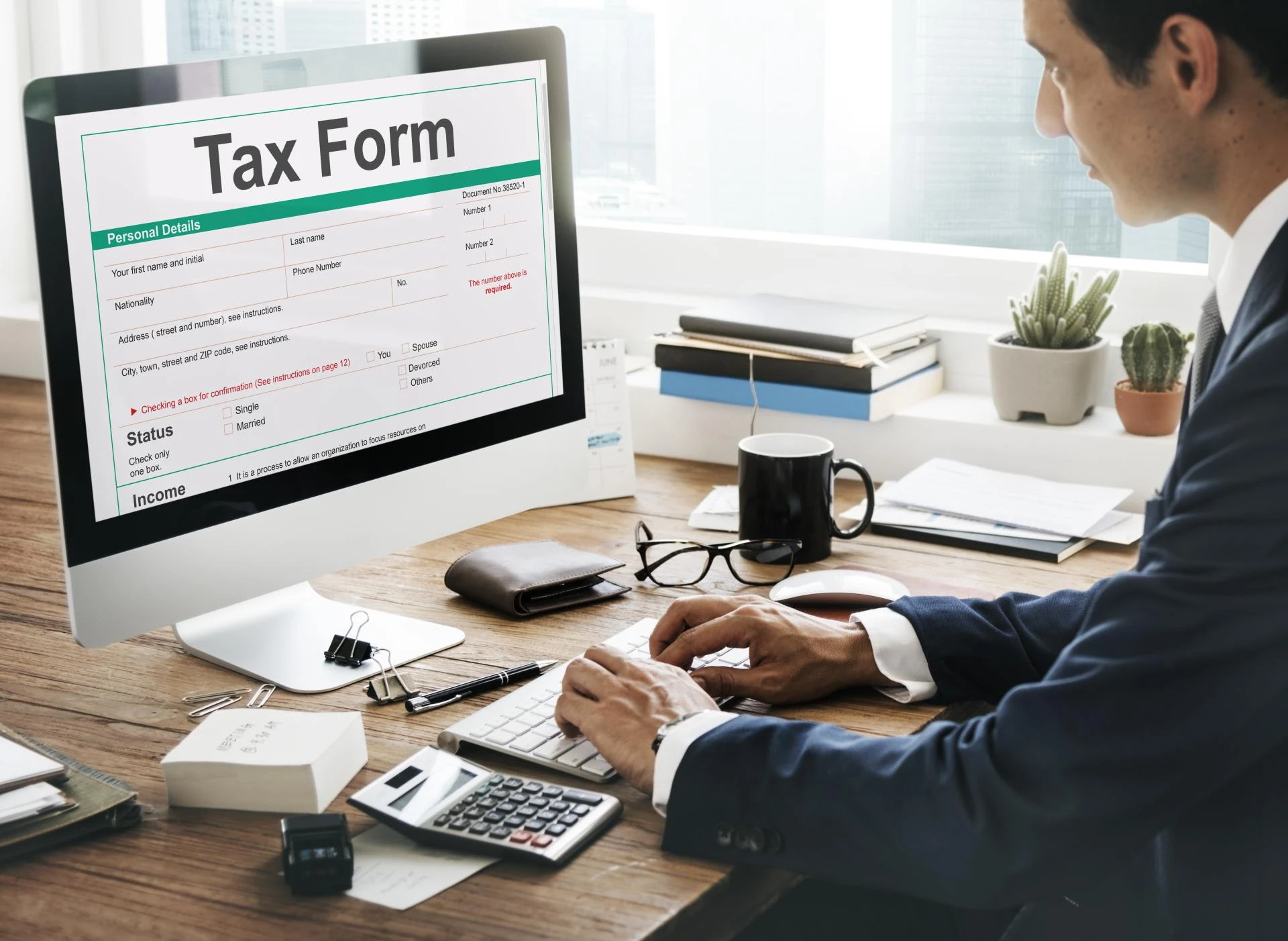
Every taxpayer has unique financial needs. It is important to choose a CPA who has experience working with clients similar to you.
For example:
- Small business owners
- Freelancers
- Corporations
- Individuals
- Investors
A CPA familiar with your type of financial situation can provide more relevant advice and efficient service.
Consider Technology and Tools
Modern CPAs use technology to improve efficiency and accuracy. Digital tools help streamline tax preparation and financial reporting.
Some CPAs may use:
- Cloud accounting software
- Secure document sharing
- Financial reporting tools
- Tax preparation software
- Online communication platforms
Technology improves accuracy and makes it easier to share documents and communicate with your CPA.
Check Availability Year-Round
Tax needs don’t end after filing season. A trusted CPA should be available throughout the year to assist with financial questions and tax planning.
Year-round availability helps with:
- Tax planning
- Financial decisions
- Business growth
- Compliance issues
- Audit preparation
Working with a CPA who offers ongoing support ensures you always have access to professional guidance.
Schedule a Consultation
Before choosing a CPA, schedule an initial consultation. This meeting allows you to evaluate their expertise and determine whether they are a good fit for your needs.
During the consultation, consider asking:
- What tax services do you offer?
- What experience do you have?
- How do you charge for services?
- How do you communicate with clients?
- What is your approach to tax planning?
A consultation helps you assess the CPA’s professionalism and determine whether they meet your expectations.
Benefits of Working with a Trusted CPA
Choosing a trusted CPA provides numerous benefits, including:
- Accurate tax preparation
- Reduced tax liability
- Compliance with tax laws
- Professional advice
- Financial expertise
- Peace of mind
A reliable CPA helps you navigate complex tax rules while ensuring your financial interests are protected.
How a CPA Supports Small Businesses
Small businesses often face unique tax challenges. A CPA helps business owners manage finances and maintain compliance with tax regulations.
Services may include:
- Bookkeeping support
- Tax preparation
- Financial reporting
- Expense tracking
- Profitability analysis
- Budgeting
- Cash flow management
Working with a CPA allows small business owners to focus on growth while leaving financial tasks to a professional.
Building a Long-Term Relationship
A trusted CPA becomes a valuable long-term partner in your financial journey. Over time, they gain a deeper understanding of your financial goals and can provide more effective advice.
Long-term relationships offer:
- Consistent service
- Better planning
- Financial stability
- Improved decision making
- Stronger trust
Building a relationship with a CPA ensures continuity and reliability in managing your finances.
Conclusion
Finding a trusted CPA for your tax needs requires careful research and evaluation. By verifying professional credentials, reviewing client feedback, and assessing experience in tax laws, you can identify a reliable tax advisor who meets your needs.
A trusted local accountant provides valuable financial expertise, ensures compliance with local tax regulations, and supports long-term financial success. From tax preparation to strategic tax planning, a qualified CPA helps individuals and businesses make informed financial decisions.
Taking the time to choose the right CPA can save you money, reduce stress, and provide confidence that your taxes are handled accurately and professionally. Whether you need basic tax services or comprehensive financial guidance, partnering with a trusted CPA is an investment in your financial future.