Writing a children’s book is a deeply creative process, but words alone are not enough to capture a young reader’s imagination. Illustrations play a vital role in shaping how children understand characters, emotions, and the story itself. This is why finding the right children’s book illustrator is one of the most important steps in creating a successful book.
Whether you are a first time author or someone working on a new project, understanding how to find a children’s book illustrator who matches your vision can make all the difference. The illustrator does more than draw pictures; they help tell the story visually, page by page.
Why Illustrations Matter in Children’s Books
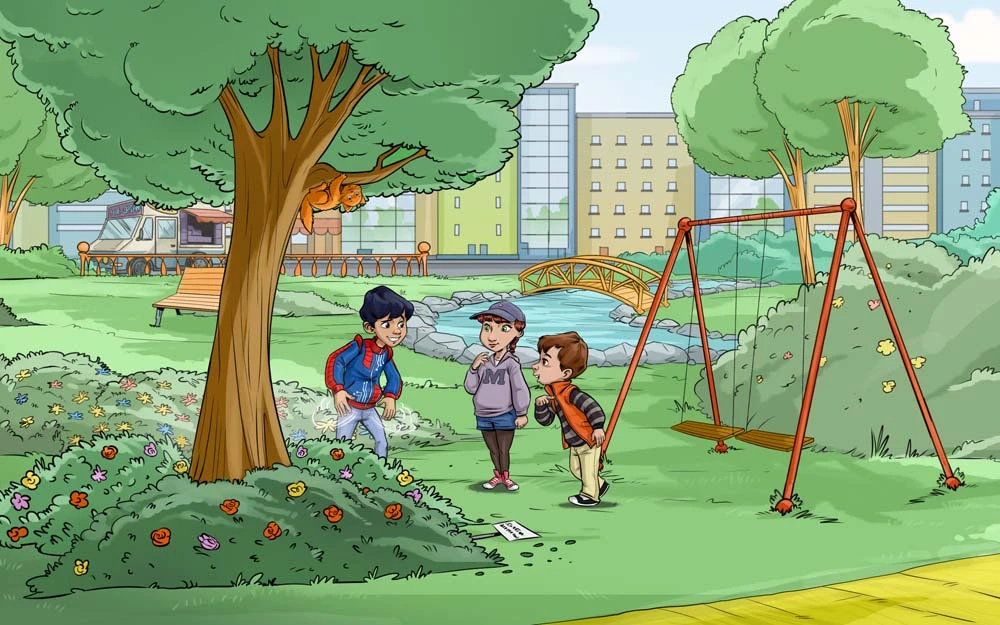
Children often connect with images before they connect with text. A strong illustration can explain emotions, set the mood, and guide young readers through the story. A skilled children’s book illustrator understands age-appropriate design, color choices, and storytelling through visuals.
For early readers, illustrations help build comprehension. For older children, artwork adds depth and personality to characters. This is why choosing the right illustrator is not just about style, but also about storytelling ability.
Understanding Your Book’s Needs First
Before you begin to find a children’s book illustrator, it is important to understand your own book clearly. Ask yourself a few key questions:
- What age group is the book written for?
- Is the story playful, emotional, adventurous, or educational?
- Do you imagine soft watercolor visuals, bold digital art, or hand-drawn textures?
Having clear answers will help you narrow down illustrators whose work naturally fits your story. Without this clarity, it becomes harder to communicate expectations and evaluate portfolios.
Where to Find a Children’s Book Illustrator
There are many places where authors can connect with illustrators today. Online portfolio platforms, illustration communities, and social media channels are common starting points. Many children’s book illustrators showcase their work publicly, making it easier to explore different styles and approaches.
Another option is browsing published children’s books similar to yours. Looking at illustration credits can help you discover artists whose work already aligns with your taste. This approach also helps you understand how illustrations appear in a finished book, not just as standalone images.
Reviewing Portfolios the Right Way
When reviewing a children’s book illustrator’s portfolio, focus on more than just visual appeal. Look for storytelling elements. Do the characters show emotion? Are scenes easy to understand without text? Is the style consistent throughout?
Pay attention to how the illustrator handles:
- Character expressions and body language
- Background details and environments
- Color balance and mood
- Page composition and flow
A good portfolio should show versatility while maintaining a clear artistic identity. If an illustrator can adapt their style slightly without losing quality, it is often a positive sign.
Communication and Collaboration Matter
Finding a children’s book illustrator is not only about artistic skill; communication plays a huge role. Illustration projects often involve revisions, feedback, and discussion. An illustrator who listens carefully and explains their creative choices clearly can make the process smoother.
Before moving forward, discuss timelines, expectations, and the overall workflow. Clear communication from the beginning helps avoid misunderstandings later and keeps the project moving in the right direction.
Budget and Planning Considerations
Illustration costs vary depending on experience, style, and project scope. It is important to plan your budget realistically. High quality illustration takes time and effort, and fair compensation reflects that work.
Rather than focusing on the lowest cost, focus on value. A well-matched children’s book illustrator can elevate your story and create a lasting impression for readers. Investing in quality artwork often results in a stronger final book.
Traditional vs Digital Illustration Styles
Children’s book illustrators work with both traditional and digital tools. Some prefer watercolors, colored pencils, or ink, while others use digital painting software. Many combine both approaches.
Traditional artwork often brings warmth and texture, while digital illustration allows flexibility and easier revisions. Neither approach is better than the other; the right choice depends on the story’s tone and your personal preference.
Building a Long Term Creative Relationship
If you plan to create multiple books, finding a children’s book illustrator you can work with long term is valuable. A consistent illustrator helps build visual continuity, especially in series books. Over time, collaboration becomes easier as both sides understand each other’s creative process.
Trust and mutual respect lead to better results and a more enjoyable experience for both the author and the illustrator.
Final Thoughts
Choosing the right children’s book illustrator is a thoughtful process that requires patience, research, and clear communication. The goal is not just to find someone who can draw well, but someone who understands how to tell stories visually for young readers.
When authors take the time to understand their story, review portfolios carefully, and build a collaborative relationship, the result is artwork that truly enhances the book. A well illustrated children’s story leaves a lasting impression, encouraging children to read, imagine, and return to the pages again and again.