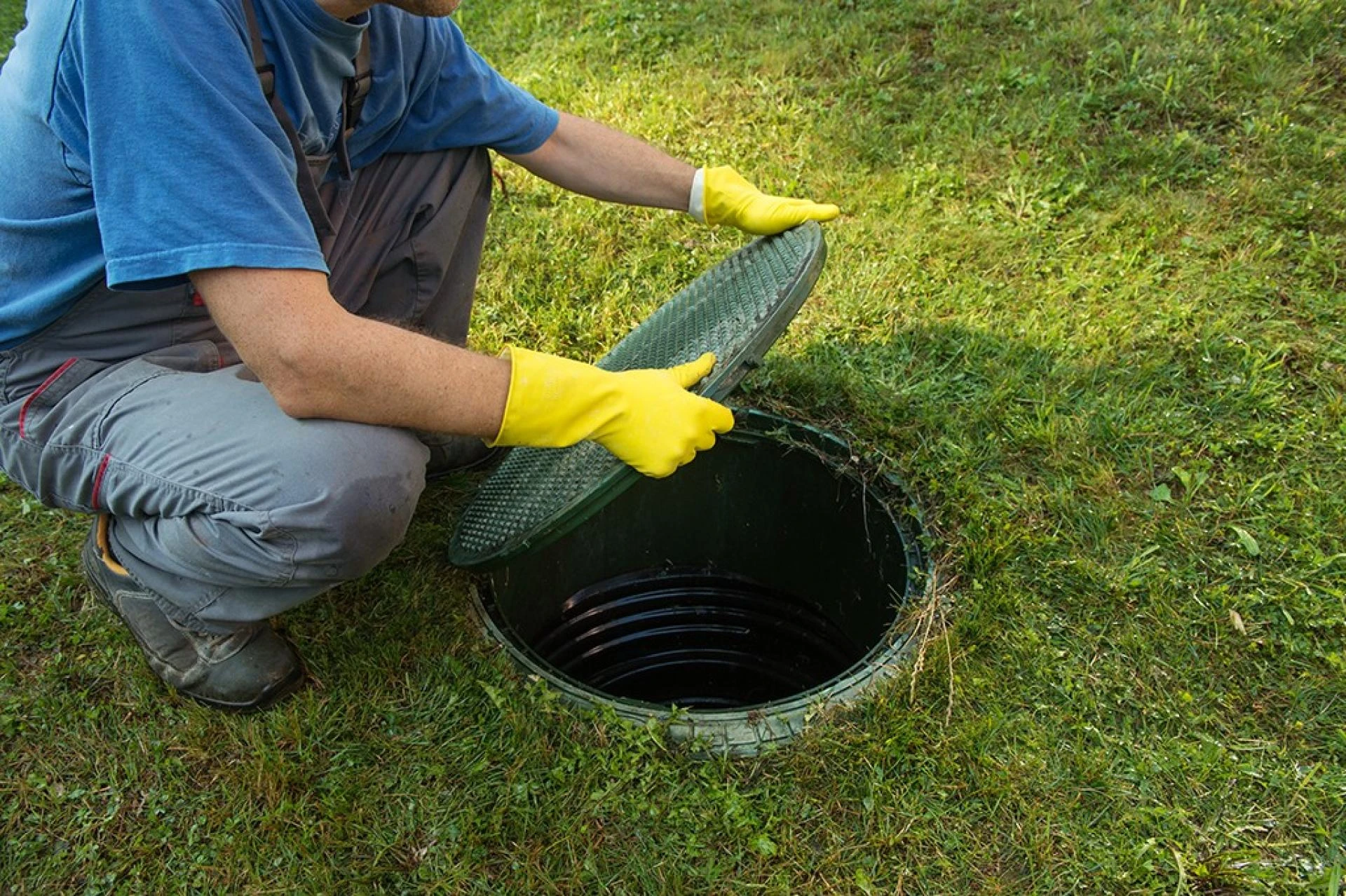
Septic systems in East Pembroke work quietly, until they don’t. After professional pumping, homeowners often assume the job is finished, yet what happens next matters most. Proper habits, smart monitoring, and seasonal awareness can dramatically stretch system life and prevent surprise failures. This guide explains practical steps to protect your investment after septic tank cleaning East Pembroke, using local conditions and real-world experience to help systems run efficiently for years without costly emergencies that frustrate families and disrupt daily routines.
Understand What Cleaning Really Resets
Pumping removes accumulated solids, but it does n't renew the entire system. Baffles, pipes, and the drainfield remain as they were before service. Knowing this keeps prospects realistic and encourages smarter care right after drawing. Beforehand weeks are critical because bacterial balance is reestablished. Avoid stressing the tank during this period, watch water use nearly, and pay attention to odors or slow rainspouts that gesture imbalance before damage spreads. Original soil conditions in East Pembroke make caution indeed more important.
Control Water Flow From Day One
Water load is the fastest way to dock septic life after service. Clean tanks can still fail if diurnal inflow overwhelms separation time. Space out laundry, avoid marathon showers, and fix leaks incontinently. These choices feel small, yet they determine how well solids settle rather than escaping to the drainfield. In East Pembroke, seasonal guests and summer harpoons bear redundant discipline to keep overflows steady. Caden mindfulness and simple habits cover pipes without life immolation over time constantly later.
Rebuild Beneficial Bacteria Naturally
After pumping, microbial populations are reduced, which affects digestion. Let bacteria recover through normal ménage waste rather than complements. Avoid harsh cleansers, antibacterial detergents, and inordinate bleach during the first month. These products slow recovery and increase sludge accumulation. A balanced approach supports steady breakdown and prevents proletariat layers from thickening too snappily, especially in cooler months when natural exertion formerly slows. Original groundwater temperatures in East Pembroke amplify this effect during spring and fall transitions each time locally observed.
Be Mindful of What Goes Down Drains
Post-cleaning care depends heavily on diurnal disposal habits. Grease, wipes, and food scraps challenge healthy systems. Though labeled flushable, numerous products persist and clog pathways. Use strainers, wipe kissers before washing, and treat toilets as waste-only institutions. These habits reduce solids returning to the tank and limit unseasonable buildup that shortens intervals between professional services. In littoral regions near East Pembroke, fine soils magnify consequences snappily over months rather of times for numerous homes using aged plumbing systems at the moment.
Protect the Drainfield Above Ground
drawing the tank helps, but drainfield health decides life. Keep vehicles, shanties, and heavy outfits off immersion areas. Compaction reduces soil permeability and forces wastewater to face. Direct roof runoff down to help achromatism, especially during snowmelt and storms. Simple landscaping choices save oxygen inflow and extend field performance long after the tank itself is serviced. East Pembroke parcels with shallow water tables profit most from alerts during wet seasons common to the region time after time without failures reported.
Schedule Inspections Between Pumping Cycles
drawing is a corner, not a finish line. Visual checks and professional examinations catch issues beforehand. Cracked baffles, root intrusion, or uneven distribution frequently appear still. Addressing them instantly prevents wastewater from bypassing treatment. In East Pembroke, frost movement can shift factors, making periodic assessment a smart investment rather than a voluntary expenditure. This approach also supports accurate conservation records for unborn possessors and simplifies compliance with original environmental prospects set by indigenous authorities over time without surprises latterly on.
Adjust Habits for Seasonal Changes
Septic care shifts with rainfall and residency. Winter slows natural action, while summer increases use. After drawing, align habits with the season ahead. isolate access points ahead, freeze and spread water use during leaves. These adaptations help systems recover unevenly and reduce stress that leads to backups during peak demand ages. East Pembroke’s climate makes these transitions especially conspicuous each time for homes near washes or low- lying littoral zones where groundwater situations change unpredictably after storms and snow events locally.
Limit Chemical Shock to the System
Chemical shock shortens lifetime indeed after thorough pumping. maquillages, detergents, and strong detergents kill helpful microbes and can damage pipes. Dispose of dangerous accoutrements duly rather than draining them down. Over time, gentler cleaning routines stabilize treatment effectiveness and keep effluent clearer before it reaches soil immersion areas. This matters in East Pembroke where flaxen soils transmit changes snappily to near aqueducts and sensitive environmental zones, guarding property values while meeting community norms for long- term adaptability across neighborhoods locally maintained.
Keep Records and Plan Ahead
Life improves when conservation history is clear. Keep dates of cleaning, examinations, and repairs in one place. Patterns crop that help prognosticate unborn requirements. Planning ahead reduces emergency calls and supports budgeting for care. For East Pembroke homeowners, records also help contractors understand point-specific challenges briskly, similar as soil type, operation changes, and former element upgrades. This clarity saves time and prevents reprise individual costs during busy seasons when service schedules fill snappily across the area each time locally again.
Know When Professional Help Is Needed
Indeed with care, signs can appear. patient odors, soppy yards, or recreating backups warrant prompt evaluation. Acting beforehand prevents minor issues from raising. After drawing, stay attentive rather than assuming impunity. Timely professional input preserves system function and protects girding property from impurity pitfalls. East Pembroke residents profit from original moxie familiar with indigenous systems and permitting prospects that vary by neighborhood. Choosing experience over detention frequently saves significant form costs down the line for utmost homes in the city overall.
Conclusion
Extending septic life after service depends on steady habits, observation, and respect for local conditions. Cleaning creates a fresh starting point, not a guarantee. By managing water use, protecting the drainfield, and responding early to warning signs, East Pembroke homeowners can avoid premature failures. When issues do arise, informed decisions and timely Septic System repair keep properties functional, compliant, and protected for the long term across changing seasons and usage.