When Electrical Reliability Becomes a Critical Decision
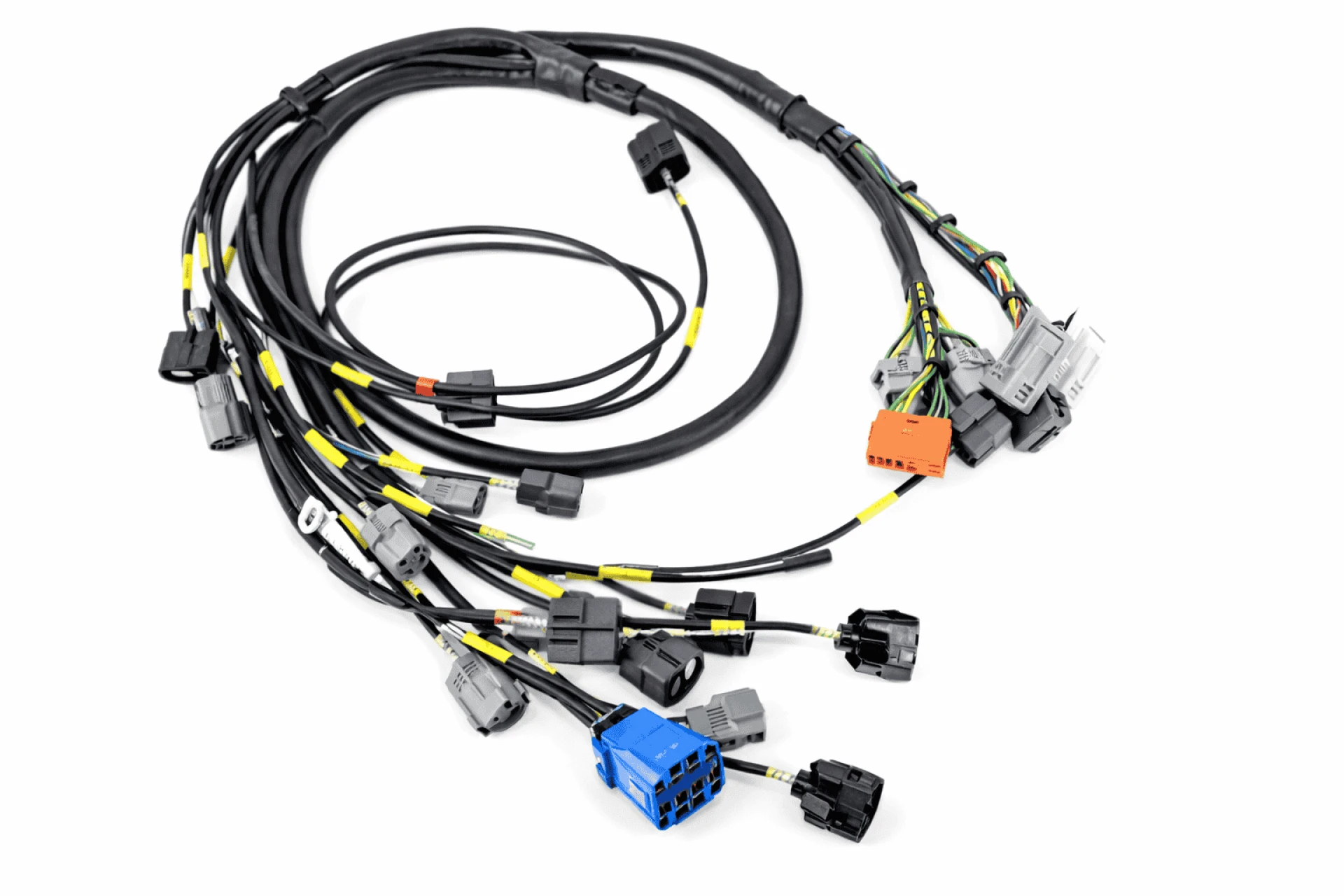
Every modern vehicle and industrial machine depends on a network of electrical connections working quietly in the background. Sensors communicate with control units, lighting systems respond instantly, and safety features rely on uninterrupted electrical signals. All of this happens because of one essential component, the wire harness.
For OEM manufacturers and industrial equipment builders, the wire harness is more than a bundle of wires. It is the backbone of electrical performance. If a harness fails, the entire system can suffer from signal loss, overheating or operational downtime.
At the same time, the automotive and industrial sectors are becoming far more electrically complex. Electric vehicles, connected mobility systems, and smart manufacturing equipment require structured wiring systems that can support higher loads and precise signal transmission.
This is where selecting dependable automotive wire harness suppliers becomes a strategic choice. A capable OEM wire harness manufacturer does more than supply components. They contribute to reliability, safety and long term operational performance through advanced industrial wire harness solutions designed for demanding applications.
Understanding what to look for in a supplier helps OEMs and industrial buyers make informed decisions that protect both product quality and brand reputation.
Why Wire Harness Systems Have Become the Backbone of Modern Electrical Design
Electrical architecture inside vehicles and machines has evolved rapidly. Earlier systems relied on relatively simple wiring layouts. Today, those layouts are complex electrical networks that support dozens of functions simultaneously.
The Growing Complexity of Modern Wiring Systems
A wire harness organises multiple electrical cables into a structured system. Instead of individual wires running independently, harness assemblies group them together in protective coverings that improve safety, reduce vibration damage, and simplify installation.
Modern vehicles now contain thousands of electrical connections. In fact, studies from the International Energy Agency indicate that some vehicles contain more than 5 kilometers of wiring with over three thousand individual wires. These connections manage everything from engine control units to digital infotainment systems.
With such complexity, reliability becomes essential. Poor harness quality can lead to signal interruptions or overheating, both of which can affect performance and safety.
Why Industry Data Highlights the Importance of Quality
The global automotive wiring harness market continues to expand as vehicles become more electrified. Industry research from Fortune Business Insights estimates that this market may surpass ninety billion dollars by the end of the decade.
The growth is not surprising. Electric vehicles and advanced driver assistance systems require more electrical connectivity than conventional vehicles. Research from McKinsey suggests that EV platforms can increase wiring complexity by 30 to 40 percent compared with traditional internal combustion vehicles.
These numbers explain why OEM manufacturers carefully evaluate automotive wire harness suppliers before committing to production partnerships.
Real World Applications Across Industries
Wire harness systems are no longer limited to passenger vehicles. They are widely used in commercial trucks, agricultural equipment, industrial automation machinery, elevators, and power management systems.
Each application demands specialised industrial wire harness solutions. Agricultural machinery requires harnesses that resist dust and moisture. Industrial automation systems require highly reliable signal transmission. Electric vehicles require harness assemblies capable of handling higher current loads.
Because of this variety, OEM buyers increasingly depend on experienced automotive wire harness suppliers that understand application-specific electrical requirements.
When buyers recognise the critical role of harness systems, the next logical question arises. What exactly should they evaluate when selecting a supplier?
Key Qualities OEM Buyers Should Look for in Wire Harness Suppliers
Selecting a supplier involves much more than comparing prices. OEM manufacturers must consider technical expertise, quality assurance processes, and production scalability.
Engineering Expertise and Product Design Capability
A reliable OEM wire harness manufacturer should offer engineering support during the product development stage. Harness systems must match the electrical architecture of the final product. Even small design changes can influence performance.
Experienced manufacturers assist with conductor selection, insulation design, routing layouts and connector compatibility. This collaborative approach reduces the chances of electrical failure during real world operation.
Engineering support also helps optimise harness size and weight. This is particularly important in automotive and electric mobility platforms where efficiency matters.
Quality Assurance and Certification Standards
Quality control plays a major role in harness manufacturing. Testing procedures ensures that every assembly meets performance and safety standards before installation.
Automotive manufacturers often require suppliers to follow international quality certifications such as ISO standards. These standards include rigorous inspection processes, traceability systems, and electrical performance testing.
When buyers work with certified automotive wire harness suppliers, they gain greater confidence that each harness will perform consistently under operational stress.
Production Capacity and Scalability
OEM projects often begin with smaller pilot production runs. Over time, those volumes can increase significantly as vehicles or machines move into mass production.
A capable OEM wire harness manufacturer must be able to scale production while maintaining consistent quality. This requires automated assembly equipment, trained technicians, and robust supply chain management.
Large scale manufacturing also demands stable raw material sourcing, particularly for copper conductors. Copper remains the preferred material for electrical wiring because it provides conductivity close to one 100% on the International Annealed Copper Standard scale.
When these capabilities come together, OEM buyers can rely on suppliers who support both product development and long term production needs.
Performance Factors That Define High Quality Industrial Wire Harness Solutions
Not all harness systems perform the same way. Their reliability depends on several engineering and material considerations.
Electrical Conductivity and Current Handling
Copper conductor quality plays a central role in harness performance. High purity copper ensures efficient electrical flow while minimising resistance and heat generation.
A well designed harness balances conductor size, insulation thickness and routing paths. This ensures that power distribution remains stable across the entire system.
High quality industrial wire harness solutions therefore, rely on carefully engineered conductor structures that match the electrical demands of the application.
Resistance to Environmental Stress
Industrial equipment often operates in harsh environments. Vibrations, temperature fluctuations, dust, and moisture can all damage poorly designed wiring systems.
Protective insulation materials and strong outer sheathing help harness systems withstand these conditions. Secure connectors and protective coverings reduce the risk of electrical failure during prolonged use.
Because of these challenges, manufacturers who specialise in industrial wire harness solutions design harness assemblies that maintain durability even in demanding operating environments.
Application Specific Customisation
Every industry uses wiring systems differently. A harness designed for an electric vehicle will not be identical to one used in industrial automation equipment.
Customisation, therefore, becomes a critical capability. Experienced automotive wire harness suppliers can design harness assemblies that meet the specific electrical, environmental, and mechanical needs of each application.
When customisation aligns with engineering expertise, OEM manufacturers gain wiring systems that perform reliably over the life of the equipment.
Why Supply Chain Reliability Matters When Choosing a Supplier
Electrical components are essential to manufacturing timelines. Delays in harness supply can disrupt entire production schedules.
Stability in the Electrical Components Supply Chain
OEM manufacturers rely on consistent component availability. Any interruption in the supply of harness assemblies can slow vehicle or equipment production.
Dependable automotive wire harness suppliers maintain strong relationships with raw material providers and component manufacturers. This stability ensures that the production continues even during periods of supply chain pressure.
Growing Demand Driven by Electrification
Vehicle electrification is accelerating across global markets. As more vehicles incorporate electronic systems, the demand for wiring harness assemblies continues to rise.
Industry studies show that electrical systems now represent roughly 40 percent of the total cost of modern vehicles, a dramatic increase compared with earlier generations of automotive design.
This shift reinforces the importance of working with a capable OEM wire harness manufacturer that can support large scale production demands.
Long Term Strategic Partnerships
OEM manufacturers often build long term partnerships with trusted suppliers. These relationships allow both companies to collaborate on product development and innovation.
Reliable automotive wire harness suppliers become technical partners rather than simple component vendors. Their engineering teams contribute to design improvements that enhance product performance and efficiency.
As electrical systems become more sophisticated, these partnerships play an increasingly valuable role in product success.
How Manufacturing Technology Is Transforming Wire Harness Production
Wire harness manufacturing has also evolved with modern production technology.
Automation and Precision Assembly
Automated cutting, crimping and assembly systems improve production accuracy. These systems ensure consistent wire lengths, connector positioning and insulation integrity.
Automation also increases production speed while maintaining quality standards, which is essential for large OEM projects.
Advanced Testing and Inspection
Modern manufacturing facilities use digital inspection equipment to verify electrical continuity, insulation resistance, and connector reliability.
These testing procedures help identify defects before harness assemblies reach OEM production lines. This reduces the risk of failures during vehicle or equipment operation.
Engineering Collaboration for Better Design
Early collaboration between OEM manufacturers and their OEM wire harness manufacturer helps optimise system design before production begins.
Engineering teams can analyse routing paths, connector placement, and conductor sizes. Small improvements during this stage can reduce manufacturing costs and improve long term reliability.
Through these technological advancements, industrial wire harness solutions continue to evolve to meet the demands of modern electrical systems.
Practical Takeaways for OEM and Industrial Buyers
When selecting a wire harness partner, decision makers should focus on practical evaluation criteria.
• Review the supplier’s engineering expertise and product development support.
• Confirm certifications and quality assurance procedures.
• Evaluate manufacturing capacity and production scalability.
• Choose suppliers experienced in designing customised industrial wire harness solutions.
• Look for long term partnerships rather than short term sourcing decisions.
• Work with automotive wire harness suppliers who understand modern vehicle electrification trends.
These steps help buyers select partners capable of delivering reliable harness assemblies for complex electrical systems.
Looking Ahead at the Future of Wire Harness Partnerships
Electrical systems will continue to grow in complexity as vehicles, machinery, and infrastructure become more connected. The reliability of these systems will depend heavily on the quality of the wiring architecture behind them.
This is why the choice of automotive wire harness suppliers carries long term implications. A capable OEM wire harness manufacturer contributes technical expertise, production stability, and reliable industrial wire harness solutions that support modern engineering requirements.
As industries move toward greater electrification and automation, companies must ask an important question. Is their current supplier prepared to support the electrical demands of tomorrow’s technologies, or is it time to look for a partner with deeper expertise and stronger manufacturing capability?
The answer to that question often defines the reliability and performance of the products that reach the market.