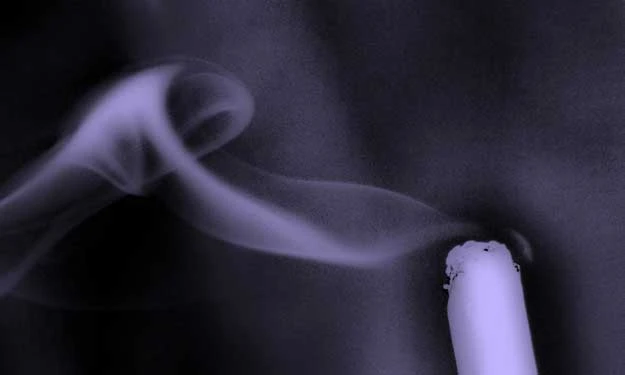
The Impact of Smoke Odors on Home Comfort and Health
Few things affect the comfort and indoor air quality of a home like lingering smoke odors. Whether it’s from cigarettes, fireplaces, or accidental fires, smoke smells can permeate walls, fabrics, carpets, and furniture, creating a persistent and unpleasant environment. According to the Environmental Protection Agency (EPA), indoor air pollution from smoke can contain harmful compounds like formaldehyde and benzene, which can affect respiratory health over time.
Eliminate smoke odors is more than a cosmetic fix; it’s a matter of improving air quality, protecting your family’s health, and restoring your home to a fresh, clean state. This guide covers why smoke odors linger, why traditional cleaning methods often fail, and how to permanently remove smoke smells using science-backed strategies and Fresh Tent products.
Why Smoke Odors Linger in Your Home
Smoke particles are microscopic and sticky. They penetrate porous materials such as carpets, upholstery, mattresses, and curtains, embedding deep within the fibers. Even after cleaning surfaces, these particles continue to release odors until treated with effective odor neutralizers.
Common sources of smoke odors include:
- Cigarettes and tobacco
- Wood-burning fireplaces
- Cooking smoke
- Wildfires or nearby burning
- Candle or incense smoke
According to a study published in the Journal of Environmental Health, homes exposed to indoor smoking can retain residual odors for months after the smoke source has been removed, due to the way smoke compounds adhere to surfaces.
The Science Behind Smoke Odors and Indoor Air Quality
Smoke odor isn’t just an inconvenience; it’s a chemical issue. Smoke contains volatile organic compounds (VOCs) that attach to surfaces and continue to emit odors over time. When combined with indoor humidity, these compounds create persistent smells that are difficult to remove.
Poor ventilation exacerbates the problem. Studies show that indoor spaces with minimal airflow retain odors up to 50% longer than well-ventilated areas. Addressing smoke odors requires both chemical neutralization and proper air circulation to ensure lasting results.
Common but Ineffective Smoke Odor Removal Methods
Many homeowners rely on quick fixes that only mask odors temporarily:
- Air fresheners and scented candles: These do not remove smoke compounds and may mix with existing odors, sometimes making them worse.
- Surface cleaning only: While wiping walls or washing fabrics helps, it cannot reach odor molecules embedded deep in materials.
- DIY solutions like vinegar or baking soda: Useful for light odors but insufficient for long-term removal from carpets, furniture, or HVAC systems.
These methods may provide immediate relief but fail to address the source, allowing smoke odors to return.
Proven Strategies to Eliminate Smoke Odors Permanently
Permanent odor elimination relies on targeting smoke molecules at the source. The most effective approach combines deep cleaning, ventilation improvements, humidity control, and science-backed odor neutralizers.
Deep Cleaning of Surfaces and Fabrics
- Wash walls, ceilings, and floors with a solution designed to remove smoke residues.
- Use enzyme-based cleaners for carpets, rugs, and upholstery to break down smoke particles.
- Steam cleaning is particularly effective for soft surfaces, as it removes trapped odors at a molecular level.
Homes that undergo deep enzymatic cleaning experience up to a 70% reduction in persistent smoke odors compared to traditional cleaning.
Improving Ventilation and Air Circulation
- Open windows and doors to encourage airflow.
- Use ceiling fans or portable fans to circulate air.
- Upgrade HVAC filters to HEPA or activated carbon systems, which can capture smoke particles.
Proper ventilation helps remove VOCs from the air while preventing them from settling back onto surfaces.
Controlling Indoor Humidity and Moisture
Humidity accelerates odor retention by binding smoke particles to surfaces. Maintaining indoor humidity between 30–50% reduces lingering odors and prevents microbial growth that can compound smells.
Studies show that controlling indoor humidity can decrease smoke odor retention by up to 40% in affected rooms.
Advanced Odor Neutralization: A Scientific Approach
Science-based solutions target odor molecules at the molecular level rather than simply masking them. Two effective methods include:
- Oxidation-based neutralization: Breaks down smoke VOCs so they no longer produce odors.
- Bio-enzymatic neutralization: Uses enzymes and beneficial bacteria to digest smoke particles embedded in surfaces.
These approaches ensure long-term odor elimination and improve indoor air quality.
How Fresh Tent Helps You Eliminate Smoke Odors
Fresh Tent specializes in science-based odor control solutions designed to eliminate odors at their source. Unlike traditional masking products, Fresh Tent neutralizes odor molecules directly, preventing them from returning. Their products are safe for families, pets, and sensitive individuals while providing long-lasting odor control.
Featured Solution: Fresh Tent Long-Term 90 A Gel Deodorizer & Air Purifier
What Is Long-Term 90 A Gel Deodorizer & Air Purifier?
The Fresh Tent Long-Term 90 A Gel Deodorizer is a gel-based, continuous odor elimination system that neutralizes odors over time. Unlike sprays or candles, it works consistently for up to 90 days, maintaining a fresh home environment without frequent intervention.
How It Works
- Neutralizes odor molecules at the molecular level.
- Penetrates soft surfaces and indoor air to target trapped smoke particles.
- Continuously purifies indoor air, reducing VOCs and residual odors.
Key Benefits
- Long-lasting odor control for up to 90 days.
- Fragrance-free, safe for children, pets, and sensitive individuals.
- Effective on smoke, pet odors, cooking smells, and more.
- Ideal for bedrooms, living rooms, basements, and other enclosed spaces.
Best Use Cases
- Homes exposed to cigarette smoke, fireplace smoke, or cooking odors.
- Rooms with carpets, curtains, or upholstered furniture that trap odors.
- Enclosed areas with minimal airflow.
DIY Tips to Stay Smoke-Odor Free Long-Term
Maintaining a smoke-free home requires consistent practices:
- Schedule regular deep cleaning for fabrics and hard surfaces.
- Replace or clean HVAC filters every 3–6 months.
- Use air purifiers and odor neutralizers like Fresh Tent Long-Term 90 A Gel consistently.
- Keep indoor humidity within 30–50%.
- Avoid smoking indoors or near fabrics that absorb odors.
Common Smoke Odor Problems and Quick Solutions
Even with preventive measures, smoke odors can recur. Here’s how to handle them:
- Carpet and rugs: Steam clean and apply enzyme-based odor neutralizers.
- Upholstery and furniture: Use Fresh Tent gel or enzyme treatments to penetrate deep fibers.
- Curtains and soft surfaces: Wash regularly and consider continuous odor neutralizers in the room.
Enjoy a Fresh, Smoke-Free Home
Smoke odors are persistent because they penetrate deeply into materials and indoor air. Eliminating them requires a combination of deep cleaning, ventilation, humidity control, and molecular odor neutralization.
By using Fresh Tent solutions, particularly the Long-Term 90 A Gel Deodorizer & Air Purifier, homeowners can maintain a safe, fresh, and odor-free environment long-term. For families, pet owners, or anyone living in spaces exposed to smoke, these strategies ensure lasting comfort and improved indoor air quality.
Homes using science-based continuous odor neutralizers report up to 80% longer-lasting odor control compared to traditional masking products.
FAQs Section:
1. How long does it take to remove smoke odor from a house?Depending on severity, complete elimination may take several cleaning cycles combined with science-based odor neutralizers.
2. Can baking soda eliminate smoke odor?Baking soda absorbs surface odors but cannot neutralize deep molecular-level smoke compounds.
3. Are air purifiers effective for smoke smells?Yes, HEPA and activated carbon systems can reduce airborne smoke particles, but they work best alongside targeted odor neutralizers.
4. Why does smoke smell return after cleaning?Because smoke particles remain embedded in surfaces and air ducts, surface cleaning alone is insufficient.
5. What’s the best product for eliminating smoke odors long-term?Fresh Tent Long-Term 90 A Gel Deodorizer & Air Purifier is designed to continuously neutralize odors safely and effectively.