Hair problems rarely appear overnight, and most common concerns such as dandruff, dryness, and frizz are the result of long-term habits, environmental exposure, and unsuitable product choices. A flaky scalp can feel uncomfortable and embarrassing, while dry and frizzy hair often looks dull, rough, and difficult to style. These issues are closely connected because an unhealthy scalp can affect hair growth, and dehydrated strands often signal an imbalance in scalp care. Understanding how to cleanse, nourish, and protect both the scalp and hair length is the first step toward achieving stronger, smoother, and more manageable hair.
Why Scalp Balance Matters More Than You Think
The scalp is living skin, and like the skin on your face, it requires proper cleansing and care to stay healthy. When the scalp becomes overly oily or excessively dry, it can disrupt the natural renewal cycle of skin cells. This imbalance often leads to itching, irritation, and visible flakes that cling to the hair and shoulders. A balanced scalp supports healthy follicles, reduces inflammation, and creates the right environment for hair to grow evenly and retain its natural strength.
Common Triggers Behind Persistent Dandruff
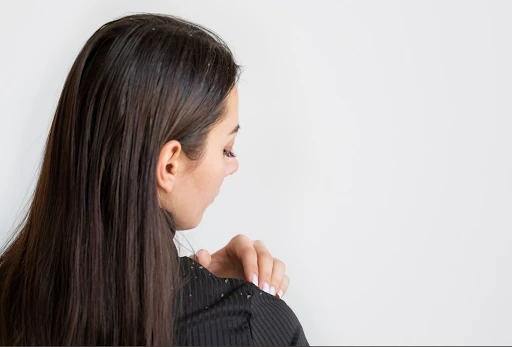
Dandruff is often misunderstood as a sign of poor hygiene, but it is usually linked to deeper issues such as product buildup, sensitivity to harsh ingredients, or an overgrowth of naturally occurring microorganisms on the scalp. Stress, weather changes, and inconsistent washing routines can further aggravate the condition. When dead skin cells shed too quickly, they become noticeable as flakes, especially on darker clothing. Addressing these triggers requires a focused approach rather than simply washing hair more frequently.
Finding the Right Cleanser for Flake Control
Using a targeted formula can significantly improve scalp comfort and reduce recurring flakes. Choosing the best dandruff shampoo allows you to cleanse the scalp thoroughly while calming irritation and supporting a healthier skin barrier. These specialized shampoos are designed to remove excess oil and buildup without stripping essential moisture, helping the scalp return to a balanced state that discourages flaking over time.
How Dryness Leads to Frizz and Hair Damage
Dry hair occurs when the cuticle layer becomes raised and loses its ability to lock in moisture. This condition is often caused by frequent heat styling, chemical treatments, sun exposure, and the use of harsh cleansing agents. When moisture escapes the hair shaft, strands become rough and more vulnerable to humidity, which leads to frizz and flyaways. Over time, this lack of hydration weakens the hair structure and increases the risk of breakage and split ends.
Moisture-Focused Cleansing for Smoother Hair
Restoring hydration is essential for improving the look and feel of dry, frizzy hair. Incorporating the best shampoo for dry and frizzy hair into your routine helps replenish moisture while gently cleansing away impurities that make hair look dull. These formulas are typically enriched with conditioning agents and nourishing oils that smooth the cuticle, enhance shine, and improve overall manageability without weighing hair down.
Creating a Routine That Supports Both Scalp and Hair
A successful hair care routine addresses the scalp and the hair length as two distinct but connected needs. Washing too often can strip natural oils, while infrequent cleansing may allow buildup to accumulate and irritate the scalp. Conditioning after every wash helps protect the hair shaft and prevent moisture loss. Over time, maintaining consistency with the right products helps stabilize scalp health and improves hair texture from root to tip.
Key Ingredients That Strengthen and Nourish Hair
Understanding ingredient benefits can help you make informed product choices. Soothing ingredients like aloe vera and panthenol help calm scalp irritation, while natural oils such as argan and jojoba support hydration and softness. Proteins and amino acids reinforce weak areas along the hair shaft, improving elasticity and resistance to breakage. Avoiding overly aggressive cleansers can make a noticeable difference in how comfortable the scalp feels and how smooth the hair looks.
Everyday Habits That Influence Hair Quality
Daily actions play a major role in maintaining healthy hair. Using lukewarm water instead of hot water helps preserve natural oils, while gentle towel drying reduces friction that can cause frizz. Excessive heat styling and tight hairstyles place stress on the hair shaft and roots, leading to long-term damage. Making mindful choices in daily hair handling supports smoother texture and stronger growth over time.
Adjusting Hair Care for Environmental Changes
Seasonal shifts and environmental factors can impact both scalp and hair condition. Cold weather often increases dryness and flaking, while humid climates can intensify frizz and oiliness. Pollution and hard water can also contribute to buildup and dullness. Adapting your hair care routine to changing conditions helps maintain balance and prevents recurring issues throughout the year.
Conclusion
Healthy, manageable hair is the result of consistent care, informed product selection, and attention to both scalp and strand needs. Dandruff, dryness, and frizz are common concerns, but they can be effectively managed with the right cleansing approach and supportive daily habits. By focusing on scalp balance, restoring moisture, and protecting hair from ongoing damage, you can achieve noticeable improvements in texture, shine, and overall hair health. With patience and a structured routine, long-lasting results become easier to maintain.
Frequently Asked Questions
1. How long does it take to see results when switching to a targeted shampoo?
Most people notice improvements within two to four weeks when using the right shampoo consistently and following a supportive routine.
2. Can dry and frizzy hair become smooth again naturally?
Yes, restoring moisture, reducing heat damage, and using gentle cleansing products can gradually improve smoothness and manageability.
3. Is it necessary to change hair care products during different seasons?
Seasonal adjustments can help address changes in humidity and temperature, keeping both scalp and hair balanced year-round.