One of the most frustrating things that can happen to a car owner is when their vehicle's glass gets scratched. Whether it's from a stray branch, rocks, or improper cleaning, scratches on car glass can compromise its appearance and even obstruct your vision while driving. Thankfully, removing car glass scratches is possible with the right tools, techniques, and a little patience. In this article, we'll guide you through the process of removing car glass scratches and restoring clarity to your windshield or side windows.
Understanding the Causes of Car Glass Scratches
Before we dive into how to remove scratches, it's important to understand how they occur. Car glass is made from tempered or laminated glass, which is designed to be durable. However, it is still susceptible to scratches from harder materials such as dirt, debris, or objects that come into contact with the glass surface. These scratches can vary in size and severity, from light surface scratches that are barely noticeable to deep scratches that can be more challenging to fix.
Steps to Remove Car Glass Scratches
1. Assess the Severity of the Scratch
The first step in removing car glass scratches is to assess how deep or severe the scratch is. Light scratches that only affect the surface can be easily fixed with a scratch-removal product or technique. On the other hand, deeper scratches may require professional help or replacement of the glass. If you’re unsure about the depth of the scratch, a simple test is to run your finger across it—if it catches, the scratch is likely deep. If it feels smooth, it’s a surface-level scratch.
2. Clean the Area
Before you start any repair, make sure the glass is clean. Dirt and debris can make the scratch worse during the repair process. Use a gentle glass cleaner or a mixture of water and mild soap to thoroughly clean the area around the scratch. Dry the glass with a microfiber cloth to ensure no residue is left behind.
3. Use a Glass Polishing Kit
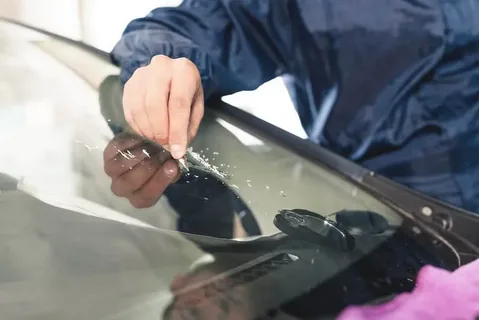
For minor scratches, a car glass polishing kit is a great tool for removing car glass scratches. These kits usually include a special polishing compound and a microfiber cloth or buffing pad. Apply a small amount of the polishing compound to the scratched area and gently rub it in circular motions. Keep applying pressure until the scratch begins to fade. This process works by removing a thin layer of the glass, effectively filling in and smoothing out the scratch. Be sure to follow the manufacturer’s instructions carefully for the best results.
4. Try Toothpaste as a DIY Solution
If you don’t have access to a glass polishing kit, you can try using toothpaste as a home remedy. Toothpaste contains mild abrasives that can help smooth out light scratches. Apply a small amount of non-gel toothpaste to a clean microfiber cloth, and gently rub it into the scratched area in circular motions. After a few minutes of rubbing, wipe away the toothpaste and check if the scratch has been reduced. While this method may not work for deeper scratches, it can be effective for surface-level ones.
5. Apply a Scratch Removal Product
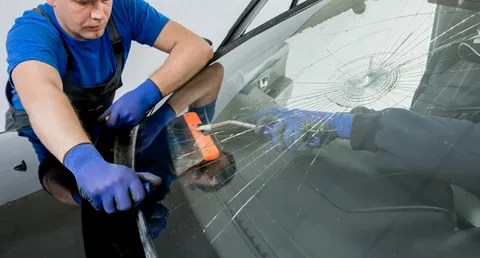
There are many scratch removal products available on the market that are designed specifically for car glass. These products usually come in a liquid form and require you to apply a small amount to the scratched area, then buff it using a microfiber cloth or buffer. These products are formulated to smooth out minor scratches and restore clarity to your car’s glass. Always check product reviews to ensure the one you choose is effective and suitable for your vehicle.
6. When to Seek Professional Help
If the scratch is too deep or your attempts at removing car glass scratches don’t seem to work, it might be time to consult a professional. Deep scratches can compromise the integrity of the glass and may even pose a safety risk if they obstruct your view. In such cases, the glass may need to be replaced entirely. A professional technician can assess the damage and determine the best course of action.
Preventing Future Scratches
After successfully removing car glass scratches, it’s important to take steps to prevent future damage. Regularly clean your car windows and ensure that you’re using a soft cloth or microfiber towel to avoid abrasions. Avoid parking under trees or in areas where debris could potentially damage your glass, and consider applying a protective coating that helps repel dirt and water.
Conclusion
Removing car glass scratches is entirely possible with the right tools and methods, and taking care of your car's glass can help maintain its appearance and ensure safe driving. Whether you choose a DIY solution or a professional service, the key is to assess the damage and choose the appropriate technique to restore your glass to its original clarity. By following these steps and taking proper precautions, you can enjoy a scratch-free, clear view of the road ahead.