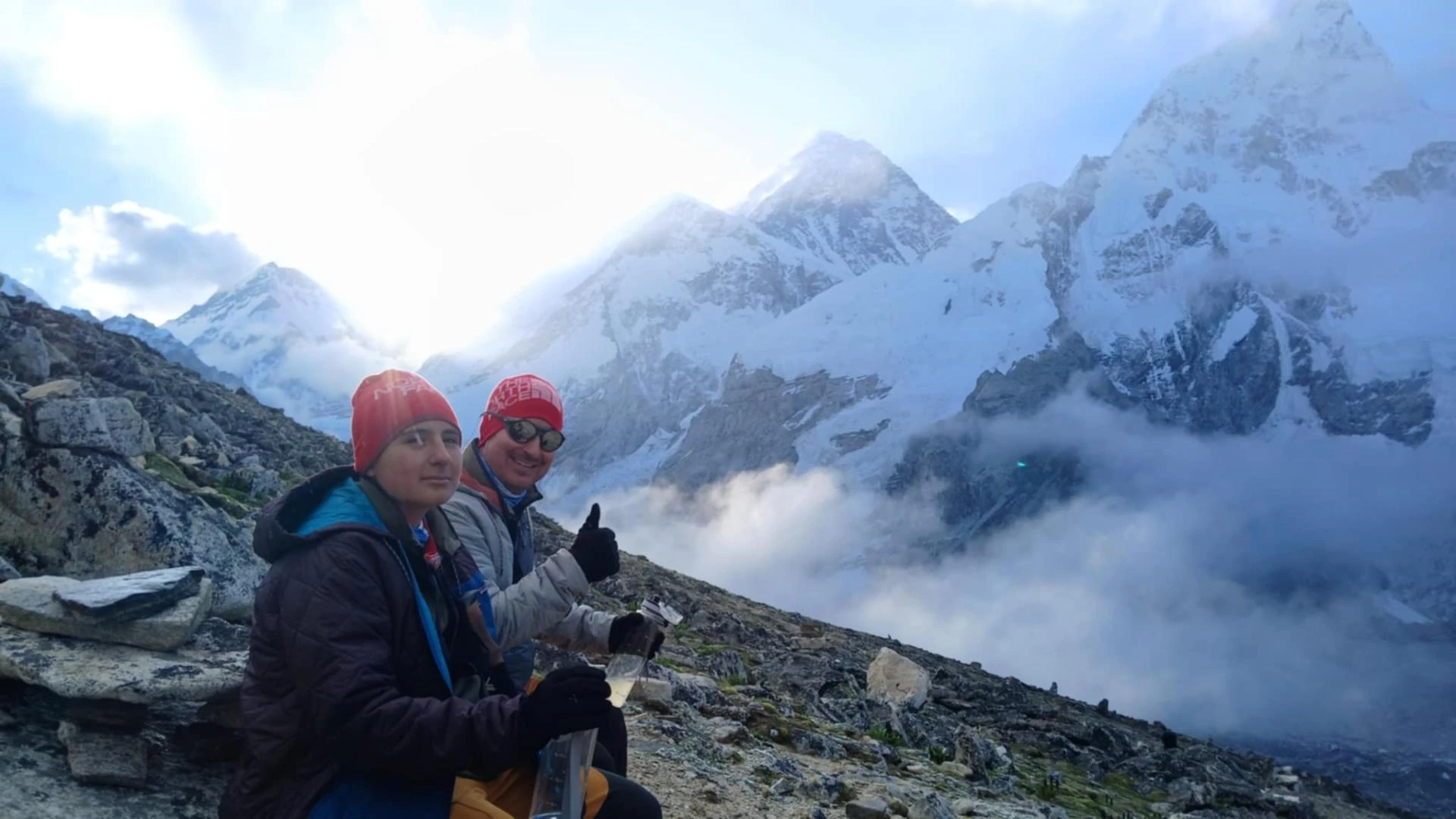
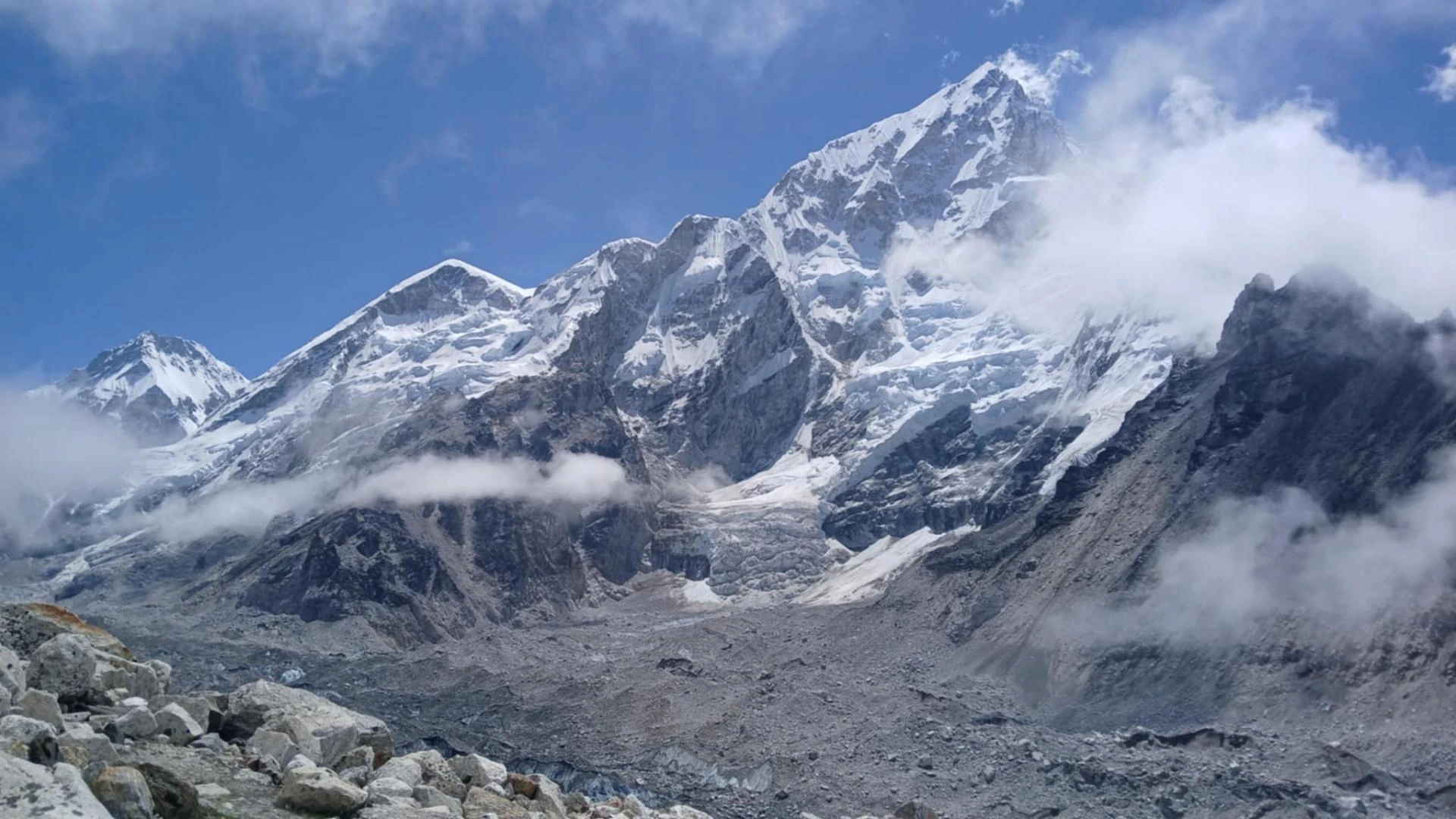
Hiking to EBC is a once-in-a-lifetime journey. The lovely nature, dramatic modifications in elevation, and profound cultural revel in make it unforgettable — but it surely doesn’t come without its challenges. One of the maximum underrated ones? Cold showers.
Once you begin getting up into the Khumbu vicinity, there’s rarely any warm water, and when there is, it is steeply priced and can be a little unreliable. Nicely, sooner or later, you're going to have to face the icy fact of skipping a bath or bracing for the bloodless.
However the correct news is that you may maintain clean, healthful, and relatively cozy on the trail, without or with hot water. This blog will assist you learn how to outsmart cold showers (and other hygiene hacks) for your EBC trek.
Understand the Shower Situation on the Trail
Let’s be straight-up: warm showers at the Everest Base Camp path aren't a given. In the villages — Lukla, Namche Bazaar- inns normally have hot water, either sun-heated or gasoline-powered. As you move up toward Dingboche, Lobuche, or Gorak She, the hot showers are less frequent and greater expensive and now not as reliable.
A few commonplace realities:
DAYS without sun: Solar-powered water is not going to be hot on cloudy or snowy days, and a confined solar-brilliant day may additionally result in much less hot water.
Gasoline-heated showers feature at lower altitudes, but usually no longer better than around four 000 meters.
Everest Base Camp Trek Summary (bucket showers, hot or bloodless) exist at outback accommodations.
The cost for a hot bath may be $3 to $10, depending on use.
Hot water cools off fast in a sharp bloodless.
So yes, the bloodless showers are a part of what one must undergo when being within Everest. Yet they oughtn’t to suffer.
Rethink the Daily Shower Habit
If you shower each day, you’re going to need to reset your expectations. Every day showers just aren’t environmentally important — nor simply sensible — at elevation. Most trekkers can’t bathe for 2–3 days or longer without a break.
And that’s k. The cold air genuinely prevents you from sweating as much, and your apparel, while layered, catches your body scent. And, when you don’t shower as often as
Regularly, you’re preserving your pores and skin from drying out and helping together with your body temperature.
In place of a daily full-frame shower, you may spot smooth, as a few do in the army, with a water wash to the excessive-impact parts of the body, inclusive of underarms and genitals, after which apply a sprig deodorant.
Master the Art of a “Bucket Bath.”
Best Your “Bucket bathtub,” whether you’re doing a traditional shower or you change to the “bucket bathtub” method that’s commonplace in many nations, try to do a strategic water shop and study the most green order in your soap and rinse.
And if the teahouse gives bucket showers, or in case you’re wearing your collapsible basin, you could still get smooth even when the water’s bloodless.
Taking a bucket bathtub in a hurry:
Make the room as hot as possible (request that windows be closed, have your clothes close by).
De-dress in patches: first the top 1/2 of your body, then the bottom half.
Use a washcloth or sponge with biodegradable soap. Paste.
Scrub key areas — armpits, feet, face, groin — after which get out rapidly.
From your PJs and into a few heated clothes pronto.
This method takes underneath five minutes and saves you from the surprise of being under bloodless water.
Use Wet Wipes and No-Rinse Solutions
Moist wipes are a backpacker’s dream come true. They may be light-weight, smooth to stash in a car or a tote bag, and perfect to wipe down while laundering isn’t an option.
Pointers for the usage of wipes:
Choose unscented or herbal wipes to save your skin from infection.
Teach in regions of natural Sweaty misery: armpits, neck, feet, hands.
Wipe away responsibly — never leave them in the back of the trail. Convey a small zip-lock bag for used wipes and PC. Them out.
There are also no-rinse body washes or dry shampoos, which can help you preserve your skin and hair fresh without any water.
Layer smart to live cleaner.
The maximum common destination in both classes is wearing what you hike in and decreasing laundry wishes.
Garb hints:
Placed on moisture-wicking base layers that circulate sweat some distance from your pores and pores and skin. Placed on merino wool or scent-resistant garments, which are extra energizing for longer.
Trade your base layer and underclothes each day or two.
A fixed of "snoozing garments" – do not sleep in your hiking clothes.
Those habits are those that help you preserve hygiene, whilst preventing odour from multiplying speedy.
Build a Hygiene Kit for the Cold
A percentage of a primary toiletries mini tour kit specifically for excessive Altitude hiking. Right here's what it must consist of:
Journey-size biodegradable soap, infant wipes, or frame wipes
Hand sanitizer
Dry shampoo
Small towel or microfiber cloth
Travel toothbrush and toothpaste
Deodorant (optionally available but useful)
It acts as a barrier cream so my lips don’t crack. Vaseline or lip balm (for the cracking lips)
Equipment does make all the difference. You’ll be cleaner and more relaxed, even if you have to pass your regular showers.
Prioritize Your Health Over Cleanliness
At altitude, staying warm is some distance more vital than staying perfectly clean. Bloodless showers can also lower your body temperature and make you more liable to getting sick.
If the water is frigid, the air even colder, forego it altogether. Wipe down, wash your face and fingers, and layer up. When you get returned to a lower altitude or Kathmandu, you’ll have all the time you need to bathe.
Don’t overlook, staying wholesome to get to Everest Base Camp is more vital than being squeaky clean.
Warm Up Before and After Your Wash
If you insist on taking a chilly shower, recognize precisely the way to do it effectively.
Earlier than:
Perform a little leaping jacks or squats to get your middle temperature up.
Warm your hands and feet with your napping bag or close to the stove.
After:
Dry yourself thoroughly and properly get into dry, warm apparel.
Drink warm tea or a bowl of soup to warm up your torso.
Stand up and move — cross for a quick walk or stretch.
Some movement, even a touch, can help your frame get over the shock of the cold water.
Time it right
If you are going to take a cold or lukewarm bath, take it on the warmest part of the day, commonly between abetween11 a.m. and three p.m. This offers a great opportunity that water heated via the sun might be available, and that the air isn’t excessively cold.
Don't bathe at night or early in the morning when it is coldest.
Accept It as Part of the Adventure
Here it's miles, the maximum essential mindset tip: welcome the guilt. Cold showers, dirty trails, oily hair, and layers of sweat-it’s all a part of the Everest Base Camp territory. They’re now not proof of failure — they’re stripes of survival.
Maximum trekkers chortle approximately it after a day or two. It’s something that becomes a part of the narrative you tell while you get back. Bloodless showers are simply some other little curveball the Himalayas throw your way, reminding you that you’re strong.
And to be honest, that first hot bath again in Kathmandu might be like heaven.
Final mind: live smoothly, live clever
You don’t take an everyday warm shower to feel appropriate on the path. With practice and the right mindset, you can remain smooth, cozy, and ailment-free all through your EBC trek, regardless of bone-chilling water temperatures.
Don't forget:
"Right now, warm and nice is better than easy," he explains.
Lean on wipes, partial baths, and clever layering.
Take a bath whilst it's miles safe and feasible.
Lean into the grit — it’s part of the magic.
Mountains strip lifestyles to their essence. And when you see that you could achieve this properly with so little — no warm water, no restroom mirror, no fancy merchandise-you discover something high-quality in yourself.
You’re more difficult than you think.