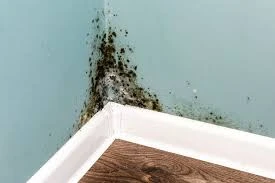
Black mould is more than just an unsightly problem—it poses genuine health risks and is a common issue in many UK homes. Whether it’s spreading across a bathroom ceiling or hidden behind furniture, tackling black mould in the UK is essential for maintaining a safe and healthy living environment.
In this guide, we’ll explain everything you need to know about black mould, including how to identify it, what causes it, the health risks involved, how to remove it effectively, and how to prevent it from coming back.
What Is Black Mould?
Black mould, scientifically known as Stachybotrys chartarum, is a type of fungus that thrives in damp, humid conditions. It’s recognised by its dark appearance and is often associated with potential health concerns.
Common places where black mould is found include:
- Bathrooms and kitchens with poor ventilation
- Damp basements or cellars
- Around leaking windows and doors
- Walls affected by water damage or condensation
Because black mould can spread rapidly, early intervention is crucial.
What Causes Black Mould?
Black mould develops when excess moisture is present. Common causes include:
- Poor ventilation, particularly in bathrooms, kitchens, and bedrooms
- Leaking roofs, pipes, or appliances allowing water to penetrate walls and floors
- Condensation on cold surfaces caused by inadequate insulation
- Flooding or unresolved water damage
- High indoor humidity from drying clothes indoors or insufficient heating
- Damp building materials where moisture becomes trapped
Without resolving the underlying moisture issue, black mould is likely to return even after cleaning.
How to Identify Black Mould in Your Home
Black mould isn’t always easy to spot. Signs to look out for include:
1. Appearance
Dark green, black, or grey patches that may appear fuzzy or slimy.
2. Smell
A persistent musty or damp odour often indicates hidden mould.
3. Location
Check areas prone to moisture, such as bathrooms, kitchens, basements, and behind furniture.
4. Signs of Water Damage
Peeling paint, staining, or discolouration on walls and ceilings can signal mould growth.
Regular home inspections can help identify mould early and limit its spread.
Symptoms of Black Mould Exposure
Living with black mould isn’t just unpleasant—it can be harmful. Common symptoms include:
- Respiratory issues: Mould spores can aggravate asthma, allergies, and breathing problems
- Skin irritation: Direct contact may cause rashes or itching
- Fatigue and headaches: Long-term exposure can lead to ongoing tiredness, headaches, or sinus issues
- Severe reactions: People with weakened immune systems may experience serious health complications
Removing black mould promptly is essential to protect your household’s health.
5 Steps for Effective Black Mould Removal
Proper mould removal requires a structured approach. Understanding how to remove black mould safely helps reduce health risks and prevent further damage:
- Assess the damage: Identify all affected areas, including hidden spaces behind walls or under carpets
- Protect yourself: Wear gloves, eye protection, and a mask to avoid inhaling spores
- Contain the area: Seal off affected spaces to prevent mould spores spreading
- Clean and disinfect:
- Use water and detergent for small surface areas
- Apply mould-specific cleaners or diluted bleach for tougher growth
- Dry thoroughly: Ensure all areas are completely dry to prevent regrowth
For large or widespread infestations, professional mould removal is strongly recommended.
Tips to Prevent Black Mould from Returning
Once mould is removed, prevention is key. Follow these steps to keep it from coming back:
- Control moisture: Repair leaks, dry wet areas quickly, and use dehumidifiers where needed
- Improve ventilation: Use extractor fans and open windows to reduce humidity
- Improve insulation: Proper insulation helps prevent condensation
- Carry out regular checks: Monitor high-risk areas for signs of damp or water damage
Prevention is the most effective way to maintain a mould-free home.
DIY vs Professional Mould Removal: Which Is Best?
DIY Mould Removal
Pros:
- Cost-effective for small areas
- Suitable for minor surface mould
Cons:
- Risk of incomplete removal
- Not effective for hidden or extensive mould
Professional Mould Remediation
Pros:
- Comprehensive inspection and treatment
- Safe removal and disposal of contaminated materials
- Long-term solutions to prevent recurrence
Cons:
- Higher upfront cost
For recurring or widespread mould problems, professional remediation is usually the safest and most effective choice.
Cost of Professional Mould Remediation in the UK
Costs vary depending on severity and size:
- Small areas: £200–£500
- Moderate infestations: £500–£2,000
- Severe damage: £2,000+ (may include structural repairs)
While professional treatment costs more initially, it often saves money by preventing repeated issues and further damage.
Take Action Today
Black mould doesn’t have to take over your home. By identifying it early, removing it correctly, and preventing future growth, you can protect your property and your family’s health. Our experienced specialists are here to help ensure your home remains safe, healthy, and mould-free.