Imagine someone has just found your NDIS business online. They click on your website because they want to know more about your services.
What happens next?
Can they quickly understand what you do? Can they find the service they need? Is the information easy to read? And most importantly, do they feel comfortable contacting you?
These little things can make a big difference.
Your website doesn't need to be complicated or packed with features. It simply needs to make things easier for the people who visit it. When participants, families and carers can find what they need without getting frustrated, they are much more likely to stay, explore your services and get in touch.
So, how do you create a website that people actually want to use?
Put Yourself in the Visitor's Shoes
Before thinking about colours, images or fancy website features, think about the person visiting your site.
They may be looking for support for themselves, helping a family member, or comparing several NDIS providers. They might not know much about your organisation yet.
Naturally, they will want answers to simple questions.
What services do you offer? Where do you provide them? Who can access your services? What makes your organisation different? And how can they contact you?
Your website should answer these questions without making visitors hunt for the information.
A simple approach to NDIS website design is to think less about what you want to say and more about what your visitors need to know.
Keep Things Simple
Have you ever visited a website and immediately felt lost?
There are too many menu options, huge blocks of text and buttons everywhere. It can be frustrating, especially when you're simply trying to find one piece of information.
Your NDIS website shouldn't feel like that.
Keep the navigation straightforward. Use clear headings and familiar page names. Make important pages, such as your services, about page and contact page, easy to find.
You don't need to put everything on the homepage. Give visitors enough information to understand your organisation, then make it easy for them to explore further if they want to.
Simple usually works better.
Talk to People, Not Search Engines
This is one of the biggest differences between ordinary website writing and useful website writing.
It's tempting to fill your pages with industry terminology because you want to appear professional. But your visitors aren't looking for complicated language. They want information they can understand.
Instead of writing as though you're preparing a formal report, imagine you're explaining your service to someone sitting across from you.
Tell them what you do, how you help and what they can expect.
A friendly, straightforward tone can make your organisation feel much more approachable.
Make Accessibility Part of the Design
Accessibility shouldn't be an afterthought.
People interact with websites in different ways, so your site should be comfortable for as many visitors as possible.
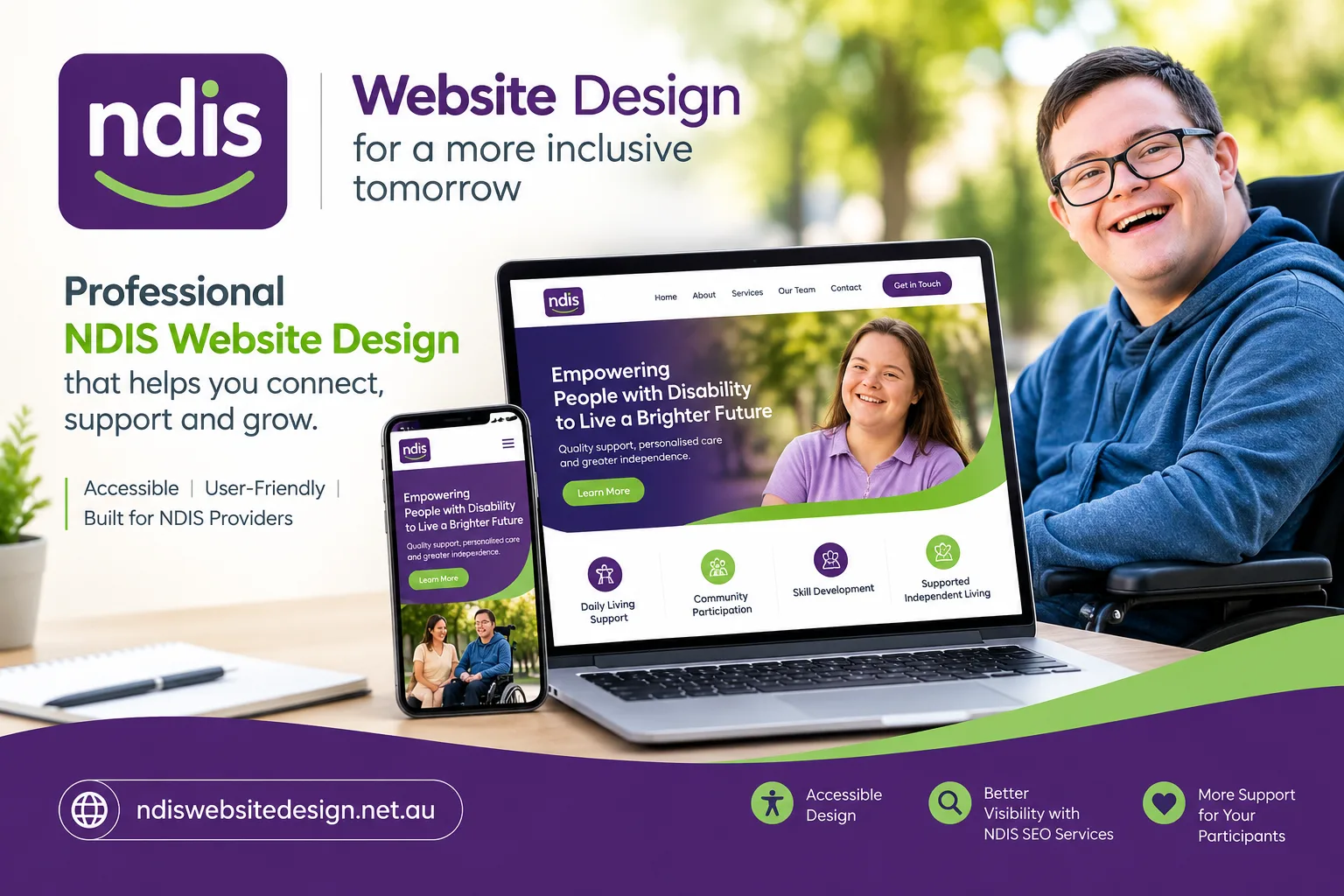
Think about whether the text is easy to read, whether there is enough contrast between text and backgrounds, whether buttons are easy to identify and whether the website works properly on different devices.
Don't forget about images and other visual elements either. They should support the content rather than make the page harder to understand.
A website that is easier to use for people with different needs is simply a better website.
Make Mobile Users Feel at Home
Take a look at your website on your phone.
Can you read everything comfortably? Are the buttons easy to tap? Can you find your contact details without zooming in?
If not, it's worth making some changes.
People often use their phones when searching for local services or looking for information. A website that works beautifully on a desktop but feels awkward on mobile can quickly lose their attention.
Responsive design should therefore be a basic part of your website, not an optional extra.
Show the People Behind Your Organisation
People want to know who they are contacting.
A website filled with generic stock photos and corporate language can feel a little impersonal. Real photographs, team introductions and genuine information about your organisation can help visitors feel more connected.
You don't need to oversell yourself.
Simply explain who you are, what matters to your organisation and how your team supports participants.
That human connection can go a long way towards building trust.
Make Your Service Pages Helpful
Your service pages are often some of the most important pages on your website.
Don't just write the name of a service followed by a short paragraph. Give visitors enough information to understand what the service actually means for them.
Explain what the service involves, who it may be suitable for and what someone can expect when they get started.
Try reading the page from a participant's perspective.
If you finished reading it, would you know whether the service is right for you?
If the answer is no, the page probably needs a little more clarity.
Make Getting in Touch Easy
Once someone decides they want to speak with you, don't make the process complicated.
Your phone number, email address or enquiry form should be easy to find. A clear call-to-action can also gently guide visitors towards the next step.
Something as simple as "Talk to Our Team" or "Make an Enquiry" can work well.
And remember, contacting a provider can feel like a big step for some people. A friendly message explaining what happens after they submit an enquiry can make that step feel much easier.
Don't Make Visitors Wait
Website speed matters.
If a page takes too long to load, people may leave before they even see your services.
Large images, unnecessary plugins and poorly optimised website elements can all slow things down. Keeping your website technically healthy helps create a smoother experience.
It can also support your visibility in search engines.
This is where NDIS SEO services can complement good website design. SEO shouldn't just be about getting visitors to your website. It should also help those visitors find useful information once they arrive.
Create Content That People Actually Find Useful
You don't need to publish a new blog every week just for the sake of having fresh content.
Instead, think about the questions people regularly ask your organisation.
Maybe they want to understand how a particular service works. Perhaps they want to know what happens during the first conversation or what they should consider when choosing a provider.
Answer those questions through helpful website pages or blog posts.
This gives visitors something genuinely useful while also giving search engines more context about your website.
That's a much more natural approach than repeating the same keyword throughout every page.
Keep Your Website Up to Date
Nothing makes a website feel neglected faster than outdated information.
If your services change, update your website. If a team member leaves, update their profile. If you start supporting a new area, make sure visitors can see it.
Spend a little time every few months checking your main pages and asking yourself whether everything is still accurate.
An up-to-date website gives people more confidence in your organisation.
Good SEO Should Feel Natural
Search engine optimisation is important, but visitors should always come first.
Effective SEO is about helping the right people discover useful information when they're searching for it. That means creating clear pages, using relevant topics, improving website performance and making the overall experience easy to navigate.
This is where SEO services for NDIS providers can be valuable. A well-planned strategy can help your website become more visible without turning your content into a collection of repeated keywords.
The best result is when SEO and user experience work together.
Think About the Feeling You Leave Behind
At the end of the day, creating a website participants want to use isn't really about having the newest design or the most impressive technology.
It's about how the website makes someone feel.
Do they feel welcomed?
Do they understand your services?
Can they find what they need?
Do they know what to do next?
If the answer to these questions is yes, you're already creating a much better online experience.
Final Thoughts
Your website may be the first interaction someone has with your organisation. Make that interaction simple, helpful and genuine.
NDIS web design isn't about trying to impress everyone. It's about making it easier for the right people to understand your services and feel confident about contacting you.
Combine that with useful content, a smooth mobile experience and a sensible SEO strategy, and your website can become much more than an online brochure.
It can become a helpful place where participants and families feel comfortable taking their next step.