The modern streaming market has changed the way people discover and consume video. Traditional television remains important, but viewers now move between live channels, on-demand services, short-form videos, mobile applications, and social streaming platforms throughout the day.
For businesses and media entrepreneurs, this creates an opportunity to combine different viewing experiences into one digital service. Someone who wants to know how to create a TV channel today has far more options than simply building a traditional broadcast station. At the same time, organizations interested in a launch TikTok like streaming platform can create an experience centered around short-form, personalized, highly engaging video.
Although linear television and short-form social video work differently, they can exist within the same broader streaming ecosystem.
Understanding the Modern TV Channel
Before building the technology, it is important to understand what a television channel actually needs.
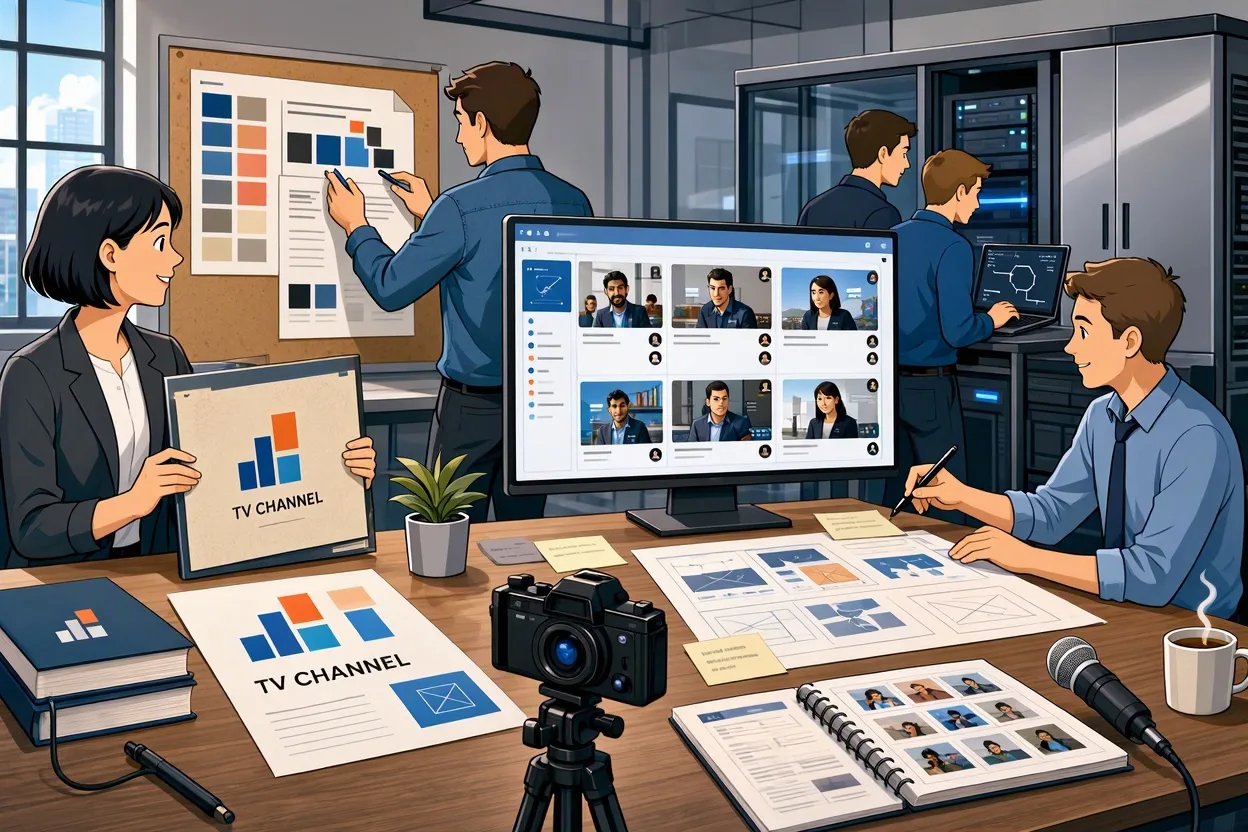
A TV channel is more than a collection of videos. It normally has a programming identity, a schedule, branded presentation, content management system, distribution method, and viewer experience.
An online channel can broadcast movies, news, sports, documentaries, entertainment, educational programs, interviews, or specialized content. It may operate continuously or during selected hours.
The first step is therefore to define the audience and programming concept.
How to Create a TV Channel Online
The process begins with content.
A broadcaster needs programming that can be organized into a schedule. Content may be produced internally, acquired from third parties, licensed from content owners, or created by independent contributors.
Once the content is available, it can be organized into a media library and prepared for scheduling.
A playout system can automate the sequence of programs, advertisements, promotional segments, and other broadcast elements. Streaming infrastructure then delivers the resulting channel to viewers.
The channel can be distributed through a website, mobile application, smart TV environment, connected-TV platform, or other supported destination.
Developing the Channel Identity
A strong TV channel needs a recognizable identity.
The name, logo, colors, graphics, program presentation, and overall tone should communicate what the channel represents. A news channel will naturally look and sound different from a children's entertainment channel or a business-focused network.
This identity should remain consistent across the website, applications, video player, social media presence, and broadcast presentation.
Brand recognition becomes increasingly important when viewers encounter the channel through crowded streaming platforms.
Moving Beyond Traditional Linear Television
Linear TV is based on a schedule. Viewers join a channel and watch whatever is currently playing.
Short-form streaming works differently.
Users open an application and are presented with a continuous flow of short videos. The next video is often selected based on user interests, viewing behavior, engagement, or other signals.
This difference is important when designing a platform that combines television with social video.
What Is a TikTok-Like Streaming Platform?
A TikTok-like streaming platform is generally built around short-form, vertically oriented video and rapid content discovery.
The central experience is not simply watching one program from beginning to end. Instead, users continuously discover new clips by scrolling through a personalized feed.
Creators can upload content, audiences can interact with videos, and the platform can use engagement signals to improve recommendations.
The exact features can vary, but the fundamental concept is built around fast discovery and continuous viewing.
Combining TV and Short-Form Video
A streaming business can combine a traditional channel experience with a short-form content feed.
For example, a media company could operate a scheduled TV channel while also publishing clips from its programs as short videos.
A viewer might discover a short interview clip in the social feed and then choose to watch the complete program through the channel.
This creates a connection between short-form discovery and long-form television programming.
Core Features of a Short-Form Streaming Platform
A platform of this type requires more than video hosting.
Users need accounts, profiles, video upload capabilities, content moderation, search, recommendations, notifications, engagement features, and reliable playback.
Creators may need dashboards where they can upload videos, manage descriptions, monitor performance, and understand how audiences interact with their content.
The recommendation system is particularly important because it determines which videos users see next.
Building the Recommendation Experience
The success of a short-form platform often depends heavily on content discovery.
A basic chronological feed can work when a platform is small, but a growing service may need more sophisticated personalization.
Signals such as viewing duration, completed videos, skips, likes, follows, shares, and other interactions can help determine what content may be relevant to a particular viewer.
The goal is not simply to show more videos. It is to present videos that are genuinely relevant enough to encourage continued viewing.
Video Infrastructure
Large numbers of short videos create significant storage and delivery requirements.
The platform needs to receive uploaded files, process them into appropriate formats, store multiple versions when necessary, and deliver them efficiently to viewers.
A content delivery network can help distribute video closer to users and reduce playback delays.
For a platform that also operates a live TV channel, the infrastructure must support both scheduled streaming and user-generated or creator-produced content.
Moderation and Platform Management
A social video platform introduces responsibilities that do not exist to the same degree in a traditional TV channel.
User-generated content needs moderation policies and reporting mechanisms. The platform should establish rules covering prohibited material, copyright violations, harassment, spam, and other forms of abuse.
Automated detection can help identify potentially problematic content, while human review may be required for difficult cases.
A clear moderation system is important for protecting both viewers and creators.
Monetization Opportunities
A hybrid streaming platform can support multiple revenue models.
Advertising can be used across both the television channel and short-form video experience. Sponsored content, creator partnerships, subscriptions, premium programming, and other commercial models may also be possible.
The right approach depends on the audience and type of content.
A platform should avoid designing monetization separately from the user experience. Advertisements need to fit naturally into the viewing environment without making the service frustrating to use.
Launching the Platform in Stages
Building every feature at once can make a streaming project unnecessarily complicated.
A better approach is often to launch a focused first version. The initial platform might provide video uploads, profiles, a personalized feed, basic engagement, and reliable playback.
The television component can then be integrated with scheduled programming and live channels.
As usage grows, more sophisticated recommendations, creator tools, analytics, monetization, and distribution options can be introduced.
Final Thoughts
Learning how to create a TV channel in today's digital environment involves much more than traditional broadcasting equipment. Online television can be built around cloud infrastructure, automated playout, streaming delivery, applications, and connected-TV distribution.
At the same time, a TikTok like streaming platform introduces a different but complementary viewing model based on short-form video, personalization, interaction, and rapid content discovery.
Combining these approaches can create a powerful media ecosystem. Scheduled television provides structure and appointment-based viewing, while short-form video gives users an interactive way to discover new content.
For businesses entering the streaming market, the strongest strategy is to begin with a clear audience, a well-defined content model, dependable video infrastructure, and a viewer experience designed around how people actually consume digital video today.