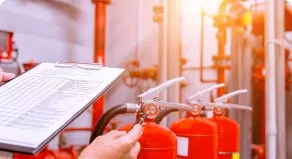
Every pipe in an industrial setting serves a specific purpose—carrying gases, liquids, steam, or chemicals essential to operations. Yet, without clear identification, even a simple maintenance task can become risky. A well-made pipe label doesn’t just mark what’s inside a pipe—it acts as a silent safety guide, preventing confusion and ensuring compliance with safety standards.
Understanding the Purpose of Pipe Labels
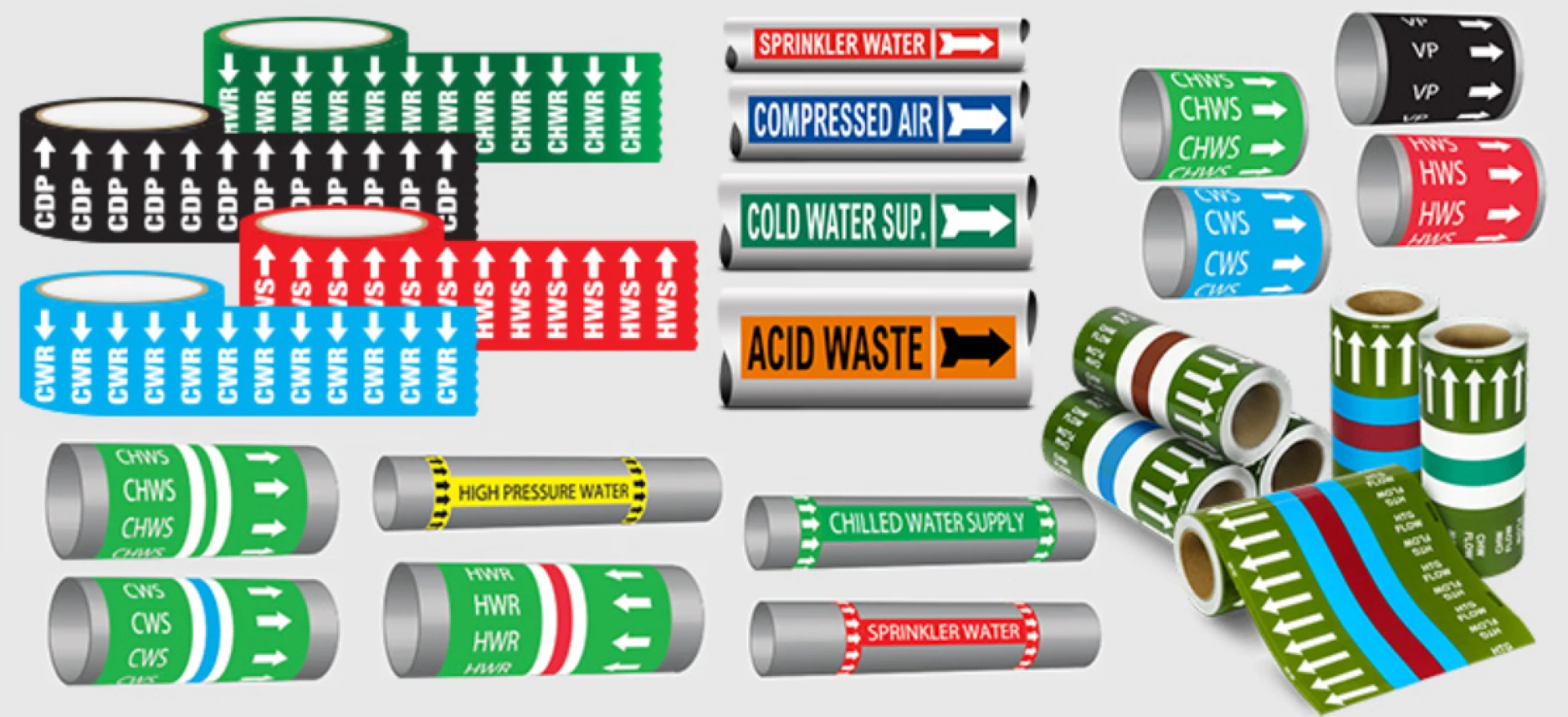
A pipe label is more than just a sticker with words on it. It’s a communication tool designed to share essential information quickly and clearly. These labels typically include the pipe’s contents, flow direction, and relevant safety warnings.
In an emergency, this information helps workers identify hazards instantly and take the right action. For instance, if a pipe carrying high-pressure steam bursts, being able to spot the label from a distance allows responders to isolate the problem safely.
Choosing Materials That Can Handle the Environment
The material you choose determines how long a label lasts. Industrial environments expose pipes to heat, moisture, chemicals, and abrasion, so durability is key.
Here are the most common materials for long-lasting labels:
- Laminated Vinyl: Ideal for general industrial use; resistant to fading, moisture, and minor chemical exposure.
- Polyester: Suitable for extreme temperatures or outdoor conditions due to its powerful resistance to UV rays and abrasion.
- Metalized Films: Best for areas where pipes experience constant heat or contact with harsh solvents.
Imagine a manufacturing plant with pipes running through both indoor and outdoor areas. The indoor labels might hold up well with vinyl, but the outdoor ones, facing constant sunlight and rain, would benefit from polyester or metalized labels. Choosing the right material for each zone ensures consistency and reliability.
The Bigger Picture: Communication and Safety
Labeling may seem like a small detail in industrial safety, but its impact is significant. Clear, consistent labeling promotes communication, reduces human error, and creates a safer working environment. A well-maintained labeling system also helps new employees adjust faster, allowing them to recognize hazards and processes visually.
Final Thoughts
Creating durable and effective pipe labels isn’t just about compliance—it’s about making workplaces safer and more organized. When labels are clear, correctly placed, and built to last, they turn complex piping systems into easy-to-understand pathways. With careful design, proper materials, and regular maintenance, labeling becomes one of the most dependable safety tools in any industrial facility.