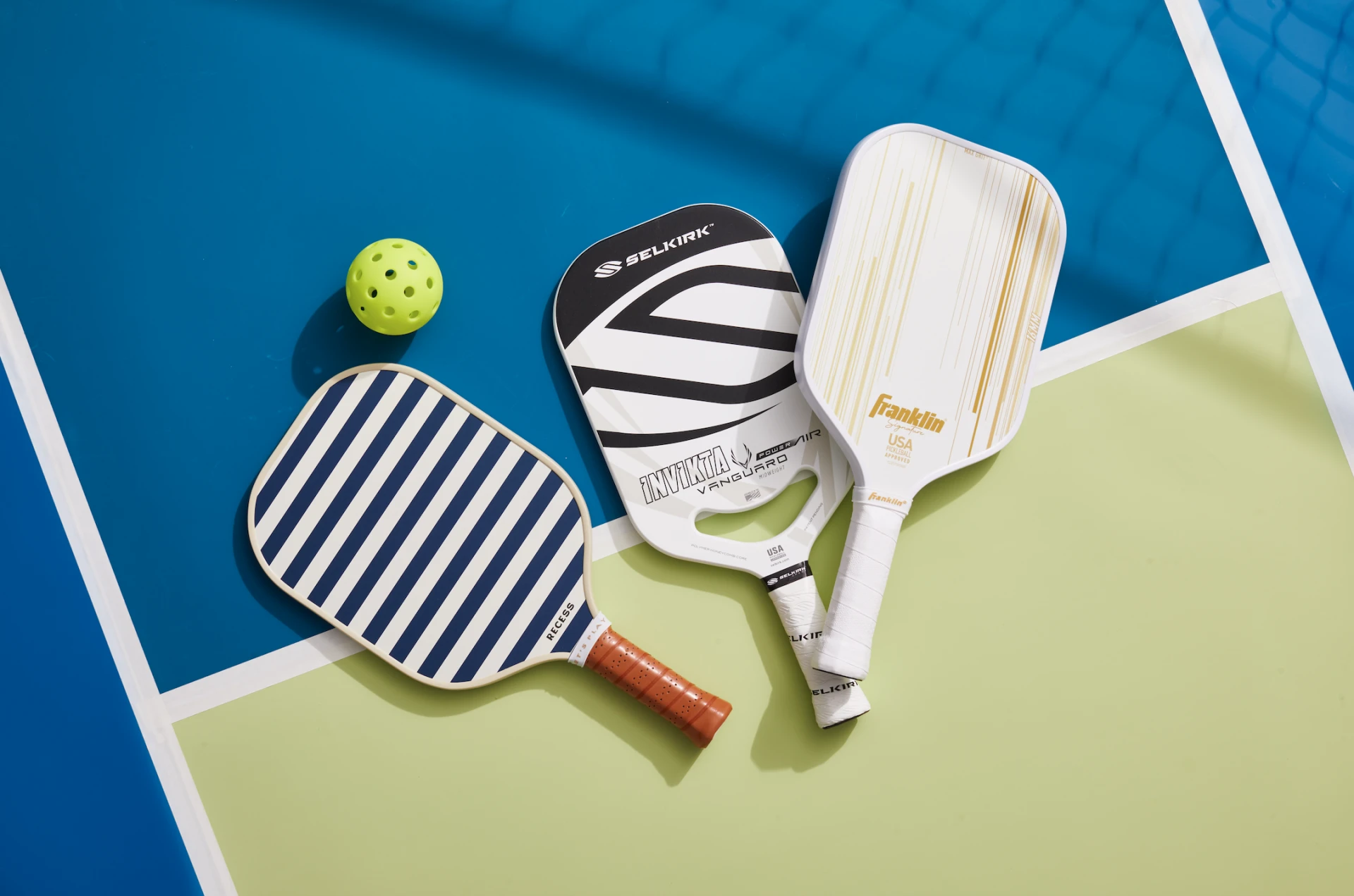
Pickleball is a sport of strategy, precision, and timing. While power can win points, control often makes the real difference between a casual player and a skilled one. Knowing how to control pickleball paddles allows you to place shots accurately, reduce errors, and outsmart opponents with finesse rather than sheer force. Whether you’re a beginner or looking to improve your game, mastering paddle control is essential.
Why Paddle Control Matters
Control is the ability to direct the ball exactly where you want it to go. In pickleball, a controlled shot can:
- Keep rallies going longer.
- Force your opponent into difficult positions.
- Reduce unforced errors.
- Help with soft shots, like dinks or drop shots.
Without proper control, even the best paddle won’t help improve consistency on the court.
Choosing the Right Paddle for Control
The first step in gaining paddle control is selecting a paddle that matches your needs. While technique matters most, paddle design can influence how easily you can manage your shots.
- Lighter paddles allow quicker reaction and better maneuverability.
- Textured surfaces give more grip on the ball, improving spin and shot placement.
- Balanced weight distribution helps with smoother swings.
- Smaller grip sizes often make it easier to adjust angles for precise shots.
A paddle built with control in mind will naturally make it easier to manage the ball.
Grip Techniques for Better Control
How you hold the paddle directly impacts shot accuracy. Here are some grip fundamentals:
- Continental Grip – Often called the “handshake grip,” this is versatile for most shots.
- Firm but Relaxed Hold – Gripping too tightly restricts wrist movement and reduces finesse.
- Consistent Hand Position – Switching grips too often can lead to errors; stick to one for stability.
Experiment with grip pressure—loosening your hold slightly often improves control during soft play.
Mastering Paddle Angles
The paddle face angle plays a huge role in control. Even a small tilt can drastically change the ball’s direction.
- Closed Face (tilted down): Keeps shots lower and faster.
- Open Face (tilted up): Useful for lifting the ball softly over the net.
- Neutral Angle: Best for consistent returns and dinks.
Practicing angle adjustments builds muscle memory, so your paddle naturally positions itself correctly during play.
Controlling Shots with Technique
1. Dinks
Soft shots near the net require delicate paddle control. Keep your wrist firm and focus on guiding the ball rather than hitting it hard.
2. Drop Shots
To bring the ball softly into the opponent’s kitchen, use a controlled swing with a slightly open paddle face.
3. Volleys
For volleys, use short, compact swings. Let the ball’s speed work for you rather than forcing power.
4. Serves and Returns
Controlled serves avoid faults, while precise returns help you set up the rally on your terms.
Footwork and Body Position
Control isn’t just about the paddle—it also comes from how you position yourself.
- Stay balanced with feet shoulder-width apart.
- Move quickly to the ball rather than stretching your arm too far.
- Keep your eyes on the ball to judge timing and placement.
- Use your shoulders and core, not just your wrist, to guide the paddle smoothly.
Good footwork ensures your paddle meets the ball in the right position for accurate control.
Drills to Improve Paddle Control
- Wall Practice – Hit the ball against a wall and focus on accuracy and paddle angles.
- Soft Touch Drills – Practice dinks across the net with a partner, aiming for consistency.
- Target Practice – Place markers on the court and try to hit them repeatedly.
- Controlled Volleys – Rally at the net with short, precise shots to sharpen reflexes.
Consistent drills build confidence and sharpen control over time.
Mental Focus and Patience
Controlling a paddle isn’t just physical—it requires patience and focus. Many players lose control when they rush shots or try to overpower the ball. Staying calm, breathing steadily, and focusing on placement over power are key strategies for maintaining control in matches.
Conclusion
Learning how to control pickleball paddles is about blending the right equipment, grip, body positioning, and mental focus. Control gives you the ability to dictate the pace of the game, keep opponents on the defensive, and win points strategically. With practice and the right approach, paddle control turns a good player into a great one. In pickleball, power may impress, but control is what truly wins games.