Opening up your pool after a stretch of neglect, a run of wet weather, or a long winter can be a genuinely unpleasant surprise. What was once clear, inviting water can turn into something that looks thick, dark green, and completely uninviting in a surprisingly short amount of time. A swampy pool is more than just an eyesore. It's a sign that the water chemistry has broken down, algae has taken over, and the filtration system hasn't been keeping up with what the water needs. The instinct for most people is to tip in a bucket of chlorine and hope for the best, but clearing a truly swampy pool quickly requires a more structured approach than that, otherwise you end up with water that's still murky days later and a growing sense that the problem is bigger than it looks.
What Actually Turns a Pool Green and Swampy
Understanding why a pool turns swampy makes it much easier to treat it effectively. The primary culprit is almost always a combination of algae growth and depleted or unbalanced water chemistry. When chlorine levels drop too low, even briefly, algae spores that are naturally present in every outdoor pool have the opportunity to establish themselves and multiply rapidly. Warm weather accelerates this process dramatically, and a pool that looks slightly green on a Friday can look completely swampy by Monday if conditions are right. Heavy rainfall compounds the problem by diluting the pool's chemical balance and introducing organic material from surrounding surfaces. A filter that's overdue for cleaning or a pump that isn't running for enough hours each day removes the last line of defence, leaving algae with essentially nothing standing in its way.
A Step-by-Step Approach to Clearing the Water Fast
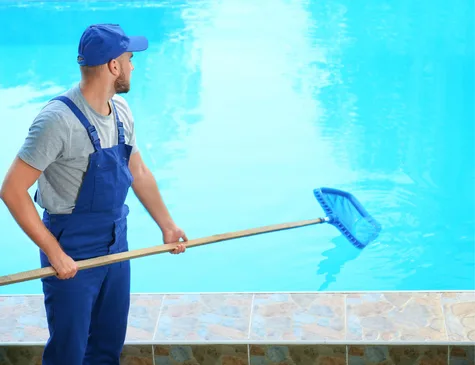
Getting a swampy pool back to a swimmable condition quickly comes down to hitting the problem from multiple angles at the same time rather than working through them one at a time. The first priority is testing the water to understand exactly where the chemistry sits, since adding chemicals without knowing the baseline pH and alkalinity levels can actually make the water harder to clear rather than easier. Once the pH is adjusted to the correct range, a high-dose shock treatment using granular chlorine gives the water the chemical punch it needs to start killing off the algae. Adding an algaecide on top of the shock treatment tackles any remaining growth that the chlorine alone might not fully address. Running the filter continuously, ideally for 24 to 48 hours without interruption, is essential for physically removing the dead algae and debris from the water column. For pool owners wanting fast and reliable results, professional help with Pool Cleaning Parkdale is often the most practical route, particularly when the pool is heavily affected and time matters.
"Our pool had been sitting untouched for most of winter and by the time we got around to opening it up for summer it was absolutely green. You couldn't see the bottom at all. I gave it a shock treatment myself but after three days it was still murky and I wasn't getting anywhere. I called Same Day Pool Cleaning and they came out the next morning. By that evening the water was already starting to clear and within two days it was completely blue and crystal clear again. The team were efficient, explained what had gone wrong with our chemical balance, and gave us some simple tips for keeping it maintained through summer. Absolutely worth every cent and I won't be leaving it so long next season." — Brett and Kylie H., Parkdale
Why Shocking Alone Often Isn't Enough
One of the most common mistakes people make when trying to clear a swampy pool themselves is relying entirely on a single shock treatment and expecting the water to clear overnight. While shocking is an essential part of the process, it works best when the water's pH and alkalinity are already in the correct range. If the pH is too high, for instance, chlorine becomes significantly less effective even at elevated doses, which is why water that's been shocked repeatedly can still look green days later. Dead algae also needs somewhere to go once it's been killed, and without a clean, properly functioning filter running at full capacity, it simply stays suspended in the water and keeps it cloudy. Backwashing the filter partway through the clearance process removes accumulated debris and allows the filter to keep working efficiently rather than becoming saturated and losing effectiveness.
Keeping the Water Clear Once It's Recovered
Once the pool is back to clear, blue water, the focus shifts to making sure it doesn't slide back into the same condition. Maintaining consistent chlorine levels rather than allowing them to rise and fall significantly between treatments is the single most effective preventative measure. Running the pump for a minimum of eight hours a day through summer, more during periods of heavy use or very hot weather, ensures the water is turning over adequately. Cleaning the filter regularly rather than waiting for visible problems, brushing the pool walls and floor weekly to prevent algae from establishing itself on surfaces, and testing the water chemistry at least once a week through the warmer months all contribute to keeping the pool in good condition with far less effort than recovering it from a swampy state requires.
Getting Your Parkdale Pool Back to Swimmable Quickly
In conclusion, a swampy pool is a frustrating problem but not an irreversible one, and with the right approach it can be turned around in a matter of days rather than weeks. The key is addressing the water chemistry first, applying a properly dosed shock treatment alongside an algaecide, and running the filter continuously until the water clears completely. Trying to shortcut any of these steps tends to produce sluggish results and often leads to the pool slipping back into poor condition shortly after it appears to have cleared. Same Day Pool Cleaning has the experience, equipment, and chemical knowledge to clear even heavily affected pools efficiently, getting your Parkdale pool back to clean, clear, and safe for swimming without the guesswork or the frustration of repeated failed attempts at home.