A cozy fireplace adds warmth and charm to your home, especially during cold months. But to keep it safe and working properly, chimney cleaning is something you can’t ignore. Over time, smoke and soot create a sticky, flammable buildup called creosote inside your chimney. If not removed, it can become a serious fire hazard.
Many homeowners wonder whether to go for professional chimney cleaning or try it themselves. If you're comfortable with home improvement projects, this guide will help you understand how to clean your chimney and when it might be smarter to hire a chimney sweep service.
When Should You Clean Your Chimney?
Experts recommend chimney cleaning services at least once a year—ideally before the burning season begins in fall or early winter. A quick test: Use a flashlight and a metal tool to scrape the inside of your chimney. If you notice more than 1/8 inch of buildup, it’s time to clean.
Tools & Safety Gear You’ll Need
Before you begin, gather these items:
- Chimney brush with extensions
- Drop cloth or tarp
- Screwdriver or power drill
- Safety goggles
- Dust mask
- Shop vacuum
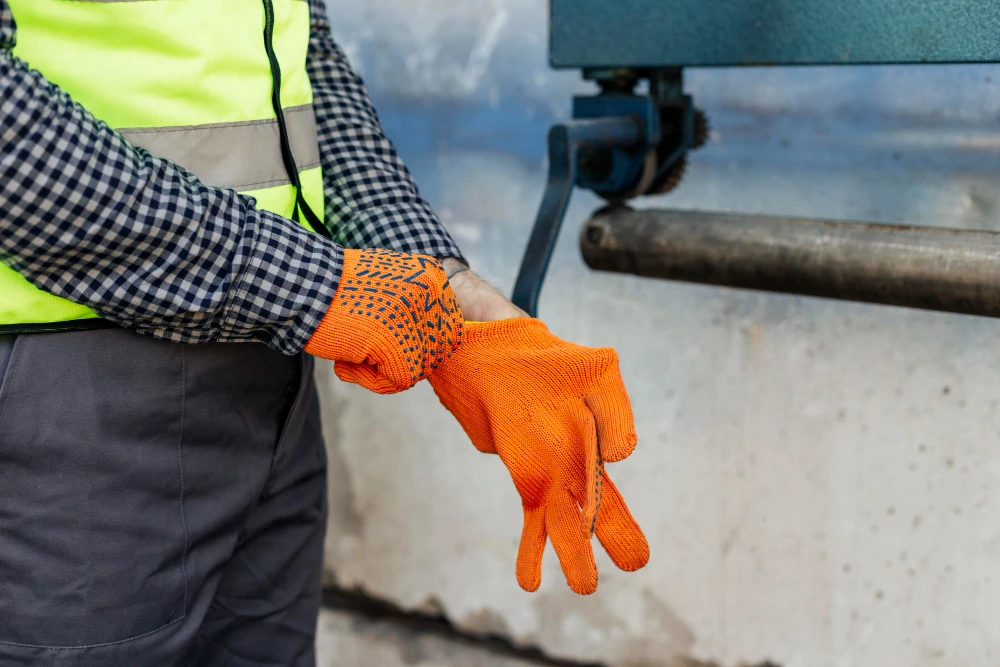
Always wear safety gear when working around soot or climbing on the roof.
Step 1: Prepare the Area
To keep your living room clean:
- Lay a tarp or drop cloth around the fireplace
- Remove any fireplace accessories
- Clear out leftover ash and unburnt wood
- Open and remove the damper (if possible)
- Seal the front of your fireplace with plastic and tape (for top-down method)
💡 Tip: If you’re not comfortable climbing roofs, contact a local chimney sweep service instead.
Step 2: Remove the Rain Cap
Climb safely onto your roof and remove the metal rain cap from the chimney. This cap blocks rain, debris, and even small animals from entering.
- Use a screwdriver or drill to remove the cap
- Keep the screws safe (pocket them if needed)
Knowing your chimney's height will help you choose the right brush length.
Step 3: Brush the Chimney (Top-Down or Bottom-Up)
There are a couple of ways to clean the flue (the vertical shaft of your chimney):
Top-Down Method (Most Common)
- Insert the chimney brush into the flue
- Use an up-and-down motion to scrub
- Attach more extensions to reach the smoke shelf
- Once done, reattach the rain cap
Bottom-Up Method
- Reach into the fireplace with the brush
- Scrub upward with the same up-and-down motion
- Expect some soot to fall—so wear your dust mask
This method is messier but avoids climbing the roof.
Step 4: Try the Dual Rope Method (Team Effort)
If you have help, use this method:
- One person stays on the roof, the other inside
- Tie a rope to both ends of the brush
- Each person pulls the rope back and forth
- This scrubs the walls evenly and thoroughly
Step 5: Final Cleanup
- Use a smaller wire brush to clean the bottom of the flue
- Sweep up remaining debris from the firebox
- Reinstall the damper
- Use a shop vacuum to clean remaining dust
- Dispose of creosote as per local rules
When to Hire a Professional Chimney Sweep
DIY chimney cleaning can be time-consuming and physically demanding. If your chimney is hard to reach or has damage, it’s better to go for professional chimney cleaning. A licensed expert can inspect the structure, clean thoroughly, and spot issues early.
Look for services that offer:
- Chimney inspection services
- Chimney repair service
- Transparent chimney sweep service cost
The average chimney cleaning cost in the U.S. ranges from $100 to $300, depending on the height, condition, and access.
Final Thoughts
Whether you DIY or hire chimney cleaning services, keeping your chimney clean is key to enjoying safe, warm fires all season. Burn dry, seasoned wood and avoid green or wet logs—they create more creosote.
Regular maintenance prevents costly repairs and keeps your family safe. And if you're ever in doubt, contact a trusted chimney repair service for help.