
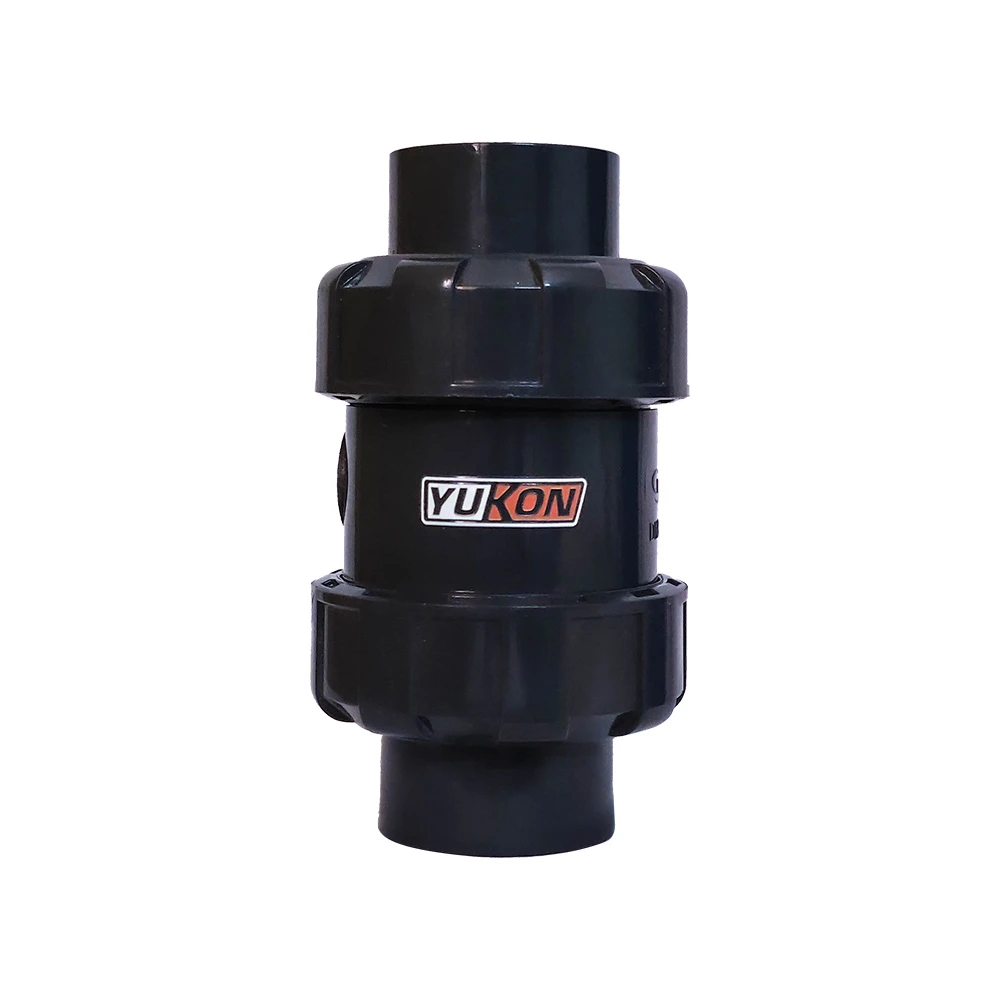
When planning any plumbing, irrigation, or industrial project that involves fluid handling, selecting the right valve is crucial. Among various options, the UPVC valve stands out for its durability, corrosion resistance, and affordability. However, not all UPVC valves are created equal. Understanding your project’s specific requirements will help you make the right choice and avoid costly replacements or system failures down the line.
In this article, we’ll walk you through the important factors to consider when choosing the right UPVC valve for your application.
Understand the Purpose of the Valve
Before you dive into technical specifications, clarify what role the valve will play in your system. Are you controlling water flow in an irrigation system? Do you need something for chemical processing or water treatment? The function of the valve—whether it’s to start, stop, regulate, or divert flow—will determine the type you should be looking for.
For instance, ball valves are excellent for shut-off applications due to their tight sealing capabilities. Butterfly valves, on the other hand, are ideal for regulating flow and work well in larger pipeline systems. Check valves are used where you need to prevent backflow.
Consider the Operating Pressure and Temperature
Every UPVC valve is designed to handle specific pressure and temperature ranges. Make sure the valve you choose matches your project’s working conditions. For example, UPVC valves generally operate well within a range of 0°C to 60°C, and can withstand moderate pressure levels typically found in residential or light industrial settings.
If your system involves high pressures or fluctuating temperatures, double-check the product specifications and confirm that the material grade and design can withstand those conditions.
Evaluate the Fluid Type
UPVC valves are compatible with a wide range of fluids, including water, certain chemicals, and mild acids. However, it’s essential to know the nature of the fluid that will pass through the system. Some aggressive chemicals may not be suitable for standard UPVC material and could lead to premature valve failure.
Consult a chemical compatibility chart to ensure that the UPVC material is safe for use with the specific substance in your pipeline. If not, you may need to consider alternatives such as CPVC or other plastic-based options.
Check for Connection Types
UPVC valves come with different connection types such as threaded, socket, or flanged ends. Your choice should match the existing piping system in your project. Socket connections are common in residential applications, while threaded connections offer ease of installation and removal.
For industrial applications, flanged connections might be preferred due to their secure fitting and ability to withstand higher loads. Be sure to measure pipe sizes accurately and select the valve that fits properly to avoid leakage and installation challenges.
Ease of Maintenance and Operation
Another important factor is how easily the valve can be maintained or replaced. Look for valves that offer simple disassembly for cleaning or repairs. Some UPVC valve designs also allow for easy handle operation, which can be particularly useful in tight or awkward spaces.
Also, consider whether your project requires manual or automated control. While manual valves are cost-effective and suitable for most setups, automation may be needed for remote or time-sensitive operations. In such cases, ensure the valve design is compatible with actuators or control systems.
Look for Quality Standards
While cost is an important consideration, don’t compromise on quality. Ensure the valve complies with industry standards for safety and performance. Valves that meet ISO, ASTM, or other recognized certifications tend to offer better reliability and longer service life.