
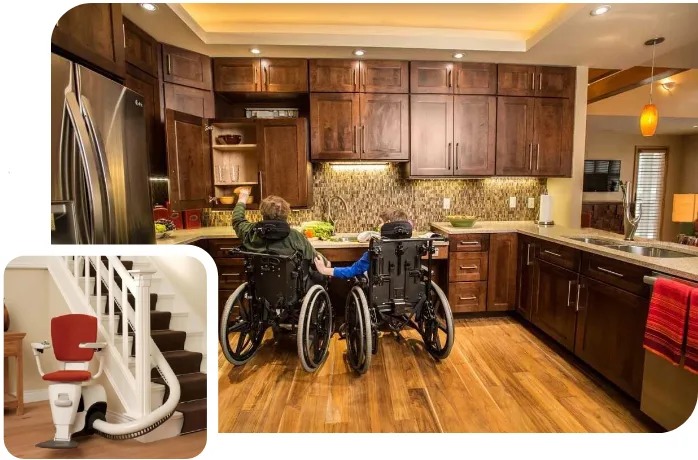
Maintaining independence at home becomes increasingly important as mobility needs change. Stairs that once felt easy to use can become difficult due to aging, injury recovery, joint pain, or mobility limitations. A stair lift can help create a safer home environment by allowing individuals to move comfortably between floors without unnecessary strain.
Choosing the right stair lift is not only about selecting equipment. It also involves understanding your home's layout, mobility needs, safety requirements, and long-term goals. Making the right decision can improve quality of life and provide confidence for both users and family members.
Why Stair Lifts Matter for Home Accessibility
Stair lifts are designed to help individuals safely travel up and down stairs without climbing steps. These systems reduce the risk of falls and make it easier to continue living independently at home.
Some common reasons homeowners install stair lifts include:
- Difficulty climbing stairs
- Reduced balance or strength
- Joint pain or arthritis
- Recovery after surgery or injury
- Long-term mobility limitations
Accessibility solutions can also help caregivers by reducing physical assistance requirements and creating safer daily routines.
Understand Your Staircase Type
Before selecting a stair lift, it is important to identify the type of staircase in your home. Different stair layouts require different systems.
Straight Staircases
Straight staircases run in one direction without curves or landings. These are the most common types of stairs and usually require simpler installation.
Benefits include:
- Faster installation process
- Lower overall cost
- Standard rail systems
- Reliable operation
Curved Staircases
Curved staircases include turns, landings, or changes in direction. These require custom rail systems designed specifically for the staircase layout.
Custom systems are created to ensure smooth and safe travel throughout the entire stair path.
Evaluate Individual Mobility Needs
Every person has different mobility challenges. Understanding current needs and planning for future changes can help homeowners select the right accessibility solution.
Consider factors such as:
- Ability to sit and stand comfortably
- Balance and stability needs
- Wheelchair use
- Upper body strength
- Long-term mobility goals
Some individuals may benefit from additional accessibility equipment beyond a stair lift.
For example, homeowners using wheelchairs may also require a wheelchair lift for porches, entryways, or other areas where vertical access is needed.
Important Features to Consider
Modern stair lifts include a variety of features designed to improve comfort and safety.
Safety Features
Safety should always be a top priority when selecting a stair lift.
Important features include:
- Seat belts for user protection
- Obstruction sensors
- Emergency stop controls
- Battery backup systems
- Swivel seating for safer transfers
These features help ensure safe daily use and reduce risks associated with stairs.
Comfort Features
Comfort also plays an important role, especially for individuals who will use the system frequently.
Useful comfort options include:
- Adjustable seating positions
- Foldable seats and footrests
- Easy-to-use controls
- Smooth starting and stopping functions
Selecting features that fit personal preferences can improve overall user experience.
Consider Additional Accessibility Solutions
While stair lifts solve many mobility challenges, some homes require more comprehensive accessibility improvements.
A wheelchair lift may be recommended when users need vertical access while remaining in a wheelchair. These systems provide a practical solution for entryways, raised porches, garages, and multi-level spaces.
Combining different accessibility products can create a complete home mobility plan that supports changing needs over time.
Work With Experienced Professionals
Choosing equipment is only part of the process. Proper installation is essential for safety and long-term performance.
Many homeowners begin by searching for a stair lift dealer near me because they want professional guidance and local support. Experienced providers can evaluate stair dimensions, assess mobility needs, and recommend suitable products.
A professional evaluation often includes:
- Stair measurements
- Home layout assessment
- Safety recommendations
- Equipment options
- Cost estimates
Working with trained experts helps avoid installation problems and ensures the system functions correctly.
Questions to Ask Before Buying
Before making a final decision, homeowners should ask important questions about products and services.
Questions may include:
- What type of stair lift is best for my staircase?
- What safety features are included?
- Does the system include battery backup?
- Is maintenance available after installation?
- Are warranty options included?
People often search for a stair lift dealer near me because ongoing support and maintenance can be just as important as the equipment itself.
Think About Long-Term Value
The initial investment for a stair lift can vary depending on staircase design, features, and installation requirements. While cost matters, long-term value should also be considered.
Benefits of investing in quality accessibility equipment include:
- Reduced risk of falls
- Greater independence
- Increased home usability
- Improved confidence and comfort
When homeowners also require broader mobility support, a wheelchair lift can further improve access and create a safer living environment.
Making the Right Choice for Your Home
Choosing the right stair lift starts with understanding your home and mobility needs. Every staircase and every individual is different, so finding a customized solution can make a significant difference in daily life.
With the right equipment, professional guidance, and thoughtful planning, homeowners can create safer spaces that support comfort, accessibility, and long-term independence. A properly selected stair lift not only improves mobility but also helps individuals continue enjoying the home they love.
FAQ's
1. What is the benefit of choosing a stair lift dealer near me for home accessibility needs?
A stair lift dealer near me can provide local support, professional assessments, installation services, and ongoing maintenance for long-term reliability.
2. Why would someone need a wheelchair lift at home?
A wheelchair lift helps individuals safely move between different levels of a home while improving mobility and independence.
3. How do stair lifts and wheelchair lifts improve daily living?
They reduce physical barriers, improve safety, and make it easier for individuals to move comfortably throughout their homes.
4. When should homeowners consider installing a wheelchair lift or stair lift?
Homeowners should consider accessibility equipment when stairs, mobility limitations, or safety concerns begin affecting daily activities.