Owning a swimming pool brings endless joy, but keeping it clean can sometimes feel like a full-time job. Leaves, dirt, and debris find their way into the water daily, and manual cleaning takes time and effort. That’s where technology comes in — and investing in a robotic pool cleaner can make all the difference. But with so many models and types available, how do you decide which one is right for your pool? Let’s break it down step by step so you can make an informed choice that suits your pool, your budget, and your lifestyle.
Understand Your Pool Type
Before you even start comparing cleaners, you need to know your pool type.
Every pool has different requirements depending on its shape, size, surface, and depth.
- In-ground vs. Above-ground pools:
- In-ground pools often require more powerful and feature-rich cleaners that can handle larger areas and deeper sections. Above-ground pools, on the other hand, can work well with lighter, simpler cleaners designed for smaller surfaces.
- Pool surface material:
- Whether your pool surface is vinyl, fiberglass, concrete, or tile, it affects how the cleaner moves and scrubs. For example, rough surfaces may need stronger brushes, while smooth vinyl pools require gentle cleaning rollers.
- Shape and features:
- Freeform pools with curves or built-in steps need a cleaner with better navigation and climbing ability, while rectangular pools can work fine with simpler patterns.
Knowing your pool type helps you shortlist models that will deliver both efficiency and longevity.
Know the Main Types of Pool Cleaners
When shopping for a pool cleaner, you’ll find three major types. Each one comes with its pros and cons — and choosing the right one depends on your maintenance preferences and budget.
A. Suction-Side Pool Cleaners
These cleaners connect directly to your pool’s existing filtration system and move around using the suction from your pump. They’re affordable, easy to install, and good for picking up small debris.
However, they can strain your pool pump and require frequent cleaning of the filter basket. They’re best for smaller pools or those that don’t collect heavy debris.
B. Pressure-Side Pool Cleaners
These use the water pressure from your pool’s return line to move around and collect debris into a separate bag. They’re great for larger debris like leaves and pebbles.
While they offer powerful cleaning, they may need a booster pump, adding to your electricity cost and maintenance.
C. Robotic Pool Cleaners
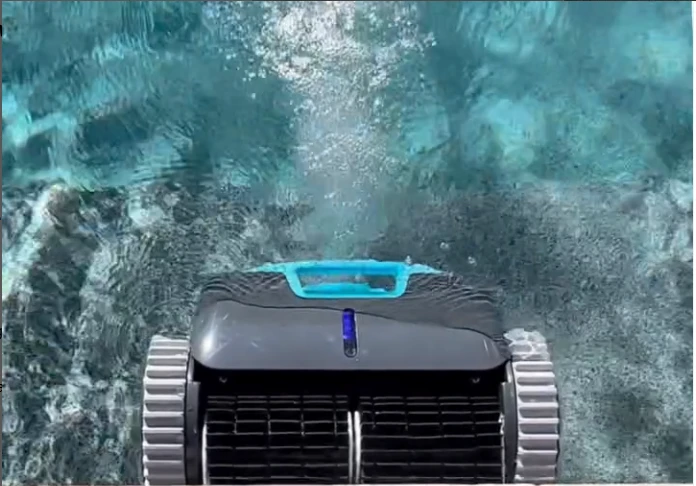
These are self-contained cleaning systems powered by electricity, not your pool’s pump. They use advanced sensors, brushes, and suction systems to clean your pool’s floor, walls, and waterline independently.
Robotic models are energy-efficient, require minimal setup, and often include smart navigation systems and automatic shutoff. They’re ideal for pool owners who want deep, hands-free cleaning with minimal effort.
Consider the Size of Your Pool
A small plunge pool doesn’t need the same cleaner as a large lap pool.
When selecting a pool cleaner, always check:
- Cable or hose length: It should reach the farthest point of your pool.
- Coverage area: Some cleaners are optimized for smaller pools, while others can handle Olympic-sized ones.
- Cleaning cycle duration: Larger pools benefit from longer, automated cleaning cycles.
Choosing the right size ensures efficient cleaning and prevents your cleaner from getting tangled or stuck midway.
Think About the Type of Debris in Your Pool
Every pool faces a different cleaning challenge depending on its surroundings.
- If your pool is under trees, leaves and twigs are your main concern.
- If it’s in a dusty area, fine particles and sand may be the problem.
- In humid regions, algae buildup might be frequent.
Different cleaners handle debris differently.
For example, pressure-side models are great for large debris, while robotic ones with fine filters excel at picking up dust, pollen, and even algae. Choosing based on your environment can save hours of manual skimming later.
Look at Energy Efficiency and Maintenance
Energy consumption is an often-overlooked factor. Some older suction or pressure models can increase your electricity costs significantly since they rely on the pool pump.
Robotic models, on the other hand, are designed for energy efficiency. They consume less power and often complete their cleaning cycle faster.
Maintenance is another key factor — always check how easy it is to empty debris baskets, clean filters, and replace parts. A good pool cleaner should save time, not create more work.
Features That Actually Matter
With so many options in the market, it’s easy to get overwhelmed by fancy terms. Here’s what truly counts:
- Navigation system: Smart path mapping ensures complete coverage without missed spots.
- Wall-climbing ability: Essential for cleaning the sides and waterline.
- Programmable timers: Lets you set cleaning schedules automatically.
- Filter type and size: Finer filters trap small particles like sand and dust more effectively.
- Cordless options: Newer models are battery-powered, eliminating tangled cords and offering more mobility.
Always focus on practical features that match your pool’s needs rather than flashy add-ons.
Ease of Use and Storage
The best pool cleaner should be easy to handle — both in and out of the pool.
Lightweight models with ergonomic handles make setup and removal simple. Cord management systems or caddies can also make a big difference in day-to-day convenience.
For storage, ensure you keep the cleaner dry and out of direct sunlight when not in use to extend its lifespan.
Budget and Long-Term Value
Price is always a deciding factor, but it’s important to look beyond the initial cost.
Suction-side cleaners are usually the cheapest upfront, but they can wear down your pump and filter over time.
Pressure-side cleaners fall in the middle range but may require extra equipment like a booster pump.
Robotic models cost more initially, but they’re often the most cost-effective long-term solution due to lower energy use, reduced chemical costs, and better cleaning results.
Think of your cleaner as an investment — not just in convenience, but in your pool’s health and longevity.
After-Sales Support and Warranty
A cleaner is a mechanical device that will eventually need service or replacement parts.
Always buy from a reputable brand or authorized dealer that offers a solid warranty and reliable customer support.
This ensures quick repairs, easy access to spare parts, and long-term peace of mind.
Why Choosing the Right Cleaner Matters
A clean pool isn’t just about looks — it’s about safety, hygiene, and relaxation. The right cleaner keeps water crystal clear, reduces chemical use, and extends the life of your pool’s filtration system. More importantly, it gives you back your weekends — letting you enjoy your pool instead of cleaning it.
Final Thoughts
Choosing the right pool cleaner comes down to understanding your pool, your environment, and how much effort you want to invest in maintenance. While traditional suction and pressure cleaners still have their place, automated cleaning solutions are quickly becoming the new standard for homeowners who value efficiency, energy savings, and convenience.
With the right choice, your swimming pool can stay sparkling clean all season long — effortlessly.