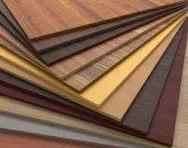
Choosing the right plywood is one of the most important decisions when designing or building home furniture. Whether you are planning wardrobes, kitchen cabinets, study tables, or beds, the quality and type of plywood you choose directly impact durability and performance. Many homeowners focus mainly on design and finish but overlook the importance of the base material. Consulting a reliable Plywood supplier in kochi can help you understand the best plywood options available for different furniture applications and ensure long-lasting results.
Below are some important factors to consider when selecting plywood for durable home furniture.
1. Understand Different Types of Plywood
The first step in choosing the right plywood is understanding the different types available in the market. Each type is designed for specific purposes.
Commercial plywood is commonly used for indoor furniture such as wardrobes, cabinets, and shelves. It is affordable and suitable for areas that are not exposed to high moisture.
Marine plywood is made with superior quality wood veneers and waterproof adhesives. It is highly resistant to moisture and is ideal for kitchens, bathrooms, and humid environments.
Waterproof plywood or BWP plywood is designed to withstand water exposure and is widely used in kitchen cabinets and bathroom furniture.
Knowing the difference between these types helps you choose plywood that suits the environment and function of the furniture.
2. Check the Plywood Grade
Plywood is available in different grades, and the grade indicates the quality of the veneers used. Higher-grade plywood generally has fewer defects, better finishing, and greater durability.
For home furniture, it is recommended to choose plywood with high structural strength and minimal core gaps. Good quality plywood ensures that the furniture remains stable and durable for years without bending or warping.
Understanding plywood grading helps homeowners make informed decisions and avoid low-quality materials.
3. Choose the Right Thickness
Plywood thickness plays a crucial role in furniture durability. Different furniture pieces require different thickness levels for strength and stability.
For example, wardrobes and cabinets usually require thicker plywood such as 18 mm for structural support. Shelves often use 12 mm to 16 mm plywood depending on the weight they need to carry.
Beds, tables, and other heavy-duty furniture components also require thicker plywood to prevent sagging or bending over time. Selecting the appropriate thickness ensures your furniture remains sturdy and long lasting.
4. Inspect the Core Quality
The core of the plywood determines its strength and overall quality. High-quality plywood should have a uniform core without large gaps between layers.
Core gaps can weaken the board and reduce its load-bearing capacity. They may also cause problems when cutting or drilling during furniture manufacturing.
Before purchasing plywood, inspect the edges to ensure the layers are tightly bonded and evenly arranged. A strong core improves durability and enhances the structural performance of furniture.
5. Check Moisture Resistance
Moisture is one of the main reasons furniture gets damaged over time. In regions with high humidity or in areas like kitchens and bathrooms, moisture-resistant plywood is essential.
Water-resistant plywood prevents swelling, warping, and delamination. It also increases the lifespan of furniture in environments where exposure to moisture is common.
Always consider the location where the furniture will be installed and choose plywood with suitable moisture resistance.
6. Evaluate Surface Finish and Veneer Quality
The surface quality of plywood affects both appearance and finishing. Smooth and uniform surfaces are easier to laminate, polish, or paint.
High-quality veneers provide a better base for decorative laminates or natural wood finishes. This not only improves aesthetics but also ensures the finish lasts longer without peeling or bubbling.
Inspect the surface carefully before purchasing to make sure it is free from cracks, patches, or visible defects.
7. Look for Certification and Standards
Quality certifications help ensure that plywood meets industry standards for strength, durability, and safety.
Certified plywood products are tested for bonding strength, moisture resistance, and load capacity. This ensures the plywood will perform well under different conditions.
Choosing certified products also reduces the risk of purchasing substandard materials that may fail prematurely.
8. Consider the Purpose of the Furniture
Different furniture pieces have different functional requirements. A wardrobe, for example, needs strong structural support, while decorative wall panels may require thinner plywood.
Kitchen cabinets need water-resistant plywood, whereas study tables and bookshelves require high load-bearing strength.
Understanding the intended use of the furniture helps you select plywood that matches the functional needs of each project.
9. Compare Quality and Price
Price is an important factor, but it should never be the only consideration when choosing plywood. Low-cost plywood may appear attractive initially but can lead to frequent repairs or replacements in the future.
High-quality plywood may cost slightly more, but it offers better durability, strength, and resistance to environmental factors.
Comparing different brands and understanding the value offered by each option helps you make a smarter investment.
10. Work with Reliable Suppliers
Buying plywood from trusted suppliers ensures you receive genuine and high-quality products. Experienced suppliers can guide you in choosing the right plywood type based on your furniture design, usage, and budget.
They also provide valuable information about product specifications, certifications, and installation recommendations.
Working with knowledgeable suppliers helps homeowners and designers avoid costly mistakes and ensures furniture that remains strong and reliable for years.
Selecting the right plywood is essential for creating durable and long-lasting home furniture. From understanding different plywood types and grades to checking thickness, core quality, and moisture resistance, every factor plays an important role in ensuring furniture strength and performance.
By carefully evaluating these aspects and purchasing from trusted sources, homeowners can ensure their furniture remains sturdy, functional, and visually appealing for many years. Making informed choices during the plywood selection process ultimately leads to better interiors and furniture that stands the test of time.