
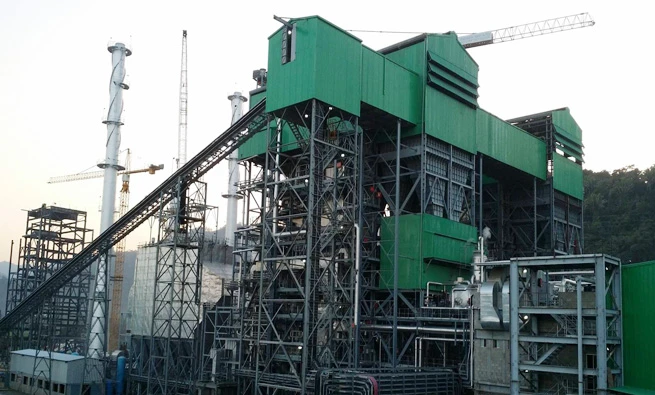
Mining conveyors are the main part of material handling in extraction operations, moving everything from raw material to processed materials across long distances. Choosing the wrong option can lead to costly downtime, maintenance challenges, and reduced productivity for years to come.
In this blog,you will get an idea how to assess your specific operation requirements and select the right conveyor technology. Also learn how to handle critical performance specifications to ensure system reliability and prevent future problems, as well as how to calculate the actual total cost of ownership beyond the initial purchase price.
Assess Your Mining Operation Requirements
Determine material type and volume capacity needs
The foundation of selecting effective mining conveyors starts with understanding exactly what you're moving and how much quantity. Different materials behave completely differently on conveyor systems, and getting this wrong can cost you thousands in repairs and downtime.So,start by cataloging every material your operation handles.
Calculate required conveyor length and elevation changes
Accurate distance and elevation measurements form the backbone of any successful conveyor installation. So, before installing first measure the entire proposed route with measuring equipment, don't rely on site plans that might be outdated or inaccurate.
Evaluate environmental conditions and operating temperatures
Mining environments are notoriously harsh, and your conveyor system must survive with those conditions. High Temperature, moisture, dust, and chemical exposure all impact component selection and system longevity.So,testing actual site conditions helps to detect these problems before equipment failure occurs.
Identify safety and regulatory compliance standards
Mining operations must comply with strict safety regulations that influence both conveyor design and daily operation.In addition, proper lockout procedures must be incorporated into the design to ensure maintenance work can be performed safely.
Evaluate Critical Performance Specifications
Load Capacity and Throughput Rates
Mining conveyors must handle substantial weight loads capacity while maintaining consistent material flow. Belt width must typically range from 24 to 96 inches, with wider belts accommodating heavier loads and higher throughput volumes.
Speed Control and Variable Frequency Drives
Variable frequency drives (VFDs) have revolutionized mining conveyor operations by providing precise speed control and energy optimization capabilities. This system allows operators to adjust belt speeds as per material flow requirements, production schedules.
Energy Efficiency and Power Consumption
Power consumption represents a major operational expense for mining conveyors, making energy efficiency a crucial selection criterion. While modern conveyor systems incorporate energy-saving technologies including high-efficiency motors, optimized belt materials, and intelligent control systems that help to lower your overall energy usage.
Conclusion
Don't make this decision quickly or focus blindly on the lowest initial cost. Prepare a chart of total expenses, including maintenance, power usage, and potential downtime costs.Then,hire certified support service company who have a proven track record specifically in mine conveyors operations. Your conveyor system is a critical piece of infrastructure. If anything goes wrong then it can break your whole operation's success.For more information,you can contact us or visit our website to know more.