Buying a first scooter is a memorable milestone. The right choice helps a child develop balance, coordination and confidence. The wrong one can feel unstable, too heavy or awkward to control. For beginners, safety, stability and comfort should always come before colours or design trends. Below is a clear and structured guide to help make the right decision.
1. Choose the Right Scooter Type
Not all scooters are designed for beginners. The number of wheels plays a key role in stability.
Three-Wheel Scooters
Best suited for younger or first-time riders.
- Provide extra stability with two front wheels
- Often use lean-to-steer systems that feel natural
- Help children build early balance skills
Two-Wheel Scooters
More suitable for older beginners.
- Lighter and more agile
- Require stronger balance control
- Better for children already confident on bikes or balance toys
For most new riders, a three-wheel scooter offers a safer and more reassuring start.
2. Ensure Proper Handlebar Height
Fit is more important than age recommendations printed on the box.
The correct handlebar height should:
- Sit between waist and chest level
- Allow elbows to bend slightly
- Keep posture upright and relaxed
An adjustable handlebar is ideal, as it allows the scooter to grow with the child.
3. Check Deck Size and Grip
The deck is where both feet rest, so it must feel secure and spacious.
Look for:
- A deck wide enough for comfortable foot placement
- A textured or non-slip surface
- A low deck height for easier push-off
A wider, lower deck usually gives beginners better balance and confidence.
4. Choose a Lightweight Frame
Weight makes a noticeable difference for beginners.
Lightweight scooters:
- Are easier to steer
- Improve overall control
- Are simpler to carry or reposition
Aluminium frames are commonly used because they provide strength without unnecessary weight.
5. Look for a Reliable Brake System
Braking should be smooth and easy to manage.
Most children’s scooters include a rear foot brake positioned above the back wheel. A good brake should:
- Respond quickly
- Require minimal pressure
- Allow controlled and gradual stopping
A dependable braking system helps children feel secure while riding.
6. Consider Wheel Size and Ride Quality
Wheel size affects how the scooter performs on different surfaces.
- Smaller wheels: lighter and easier to control
- Medium wheels: smoother on pavements and paths
- Softer polyurethane wheels: better grip and quieter movement
For general beginner use, medium-sized wheels offer a balanced and comfortable ride.
7. Folding Feature – Convenience with Caution
A folding scooter can be helpful for storage or transport. However:
- The locking mechanism must feel solid
- There should be no wobbling once locked
Safety and stability should always come before portability.
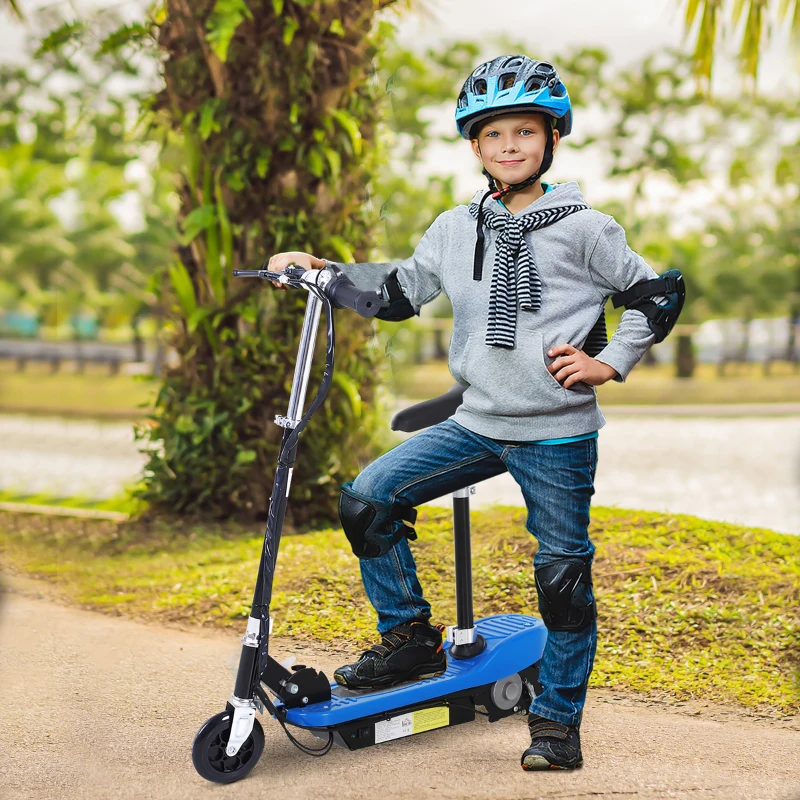
8. Prioritise Safety Equipment
A quality scooter is only part of the equation.
Essential protective gear includes:
- A properly fitted helmet
- Knee and elbow pads
- Closed-toe shoes with good grip
Minor falls are part of learning, and protective gear reduces the risk of injury.
9. Avoid Advanced or Stunt Models
Stunt scooters are designed for tricks and skate parks, not beginners.
Avoid models with:
- Very narrow decks
- Fixed, low handlebars
- Hard performance wheels
Beginner scooters focus on balance and control rather than speed or stunts.
Choosing the right kids scooter for beginners comes down to stability, correct sizing and dependable safety features. A lightweight frame, adjustable handlebar, secure deck and responsive brake create the ideal learning setup. When the scooter feels easy to control, children naturally build confidence and enjoy every ride. A thoughtful choice ensures those first wobbly attempts quickly turn into smooth and happy adventures.