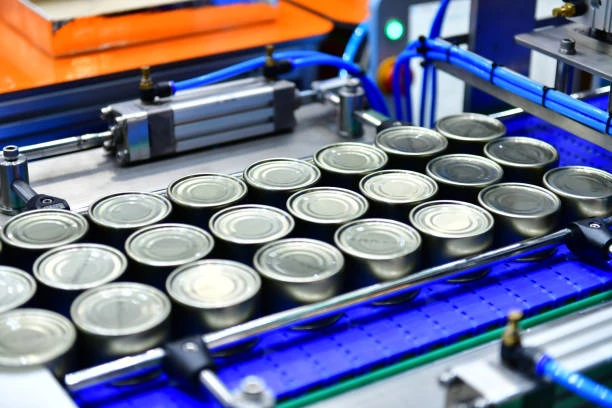
In today’s food manufacturing environment, delivering safe, high-quality products is more important than ever. With increasingly strict regulations, rising consumer expectations, and growing production demands, manufacturers need reliable technologies that ensure their products are free from contaminants. Among the most advanced solutions available, x-ray inspection systems have become the gold standard for detecting physical contaminants and improving quality control.
If you’re exploring options for improving x ray food safety, choosing the right system for your production line is crucial. But with numerous models, features, and technologies on the market, finding the ideal one can feel overwhelming.
What Is a Food X-Ray System?
A food X-ray system uses advanced imaging technology to scan products and detect foreign materials such as:
- Glass
- Metal
- Stones
- Bone fragments
- Dense plastics
- Rubber compounds
Unlike food metal detectors, which can only find metallic contaminants, X ray inspection offers a broader range of detection capabilities. It enhances x ray food safety by providing a deeper look into products—regardless of packaging material or product shape—without damaging the product.
These systems are widely used across industries such as meat and poultry, bakery, snack foods, dairy, beverages, seafood, and ready-to-eat meals.
Why X-Ray Inspection Matters for Food Safety
Implementing x ray inspection is not just about meeting compliance; it’s about protecting your brand, consumers, and bottom line.
1. Superior Contaminant Detection
Food X-ray systems can identify a wide variety of contaminants, even in products packaged in foil, metalised film, or rigid containers.
2. Enhanced Product Quality
Beyond contamination, X-ray systems can also check for:
- Broken or missing pieces
- Underfills and overfills
- Missing components (e.g., missing caps or sachets)
- Damaged packaging
- Weight estimation (in some models)
3. Compliance with Food Safety Standards
Xray inspection supports compliance with standards such as HACCP, SQF, BRCGS, and retailer-specific requirements.
4. Brand Protection
A single contamination incident can lead to recalls, lawsuits, and long-lasting brand damage. Investing in x ray food safety technology dramatically reduces this risk.
How to Choose the Right Food X-Ray System
Selecting the right system requires careful evaluation of your products, production line, and operational needs. Here are the key factors to guide your decision.
1. Identify the Types of Contaminants You Need to Detect
Start by determining what potential foreign materials could appear in your production process.
The most common include:
- Metals from machinery
- Glass from bottles or lamps
- Bone fragments in meat or fish
- Stones from agricultural products
- Dense plastic or rubber parts from equipment
Different systems have varying sensitivity levels. If your facility handles meat or poultry, for example, you may need high-sensitivity bone detection. For glass-packaged goods, strong glass-in-glass detection is essential.
2. Consider Your Product Type and Characteristics
The performance of an X-ray system depends heavily on the product being inspected.
Factors that Affect Detection:
- Density: Denser products absorb more X-rays, making detection easier.
- Size and thickness: Large or thick products may require more powerful systems.
- Moisture content: Wet or frozen foods often provide better contrast for contaminants.
- Packaging: Metalised or foil packaging can interfere with metal detectors—but not with X-ray systems.
If you have multiple product types (e.g., liquids, powders, bulk goods, packaged items), you may need a versatile system that supports different inspection modes.
3. Choose the Right Type of X-Ray System
There are several types of food X-ray machines designed for specific inspection tasks.
i. Conveyor X-Ray Systems
Ideal for packaged foods, bakery items, ready meals, and snacks.
ii. Pipeline X-Ray Systems
Designed for pumpable products such as sauces, soups, ground meat, and dairy.
iii. Bulk or Loose-Flow X-Ray Systems
Used for raw ingredients such as nuts, dried fruits, grains, and vegetables.
iv. Glass or Can Inspection Systems
For products packaged in glass bottles, jars, or metal cans.
Choose the system that aligns with your product format and production flow.
4. Analyse Speed, Throughput, and Production Line Requirements
Your chosen system must keep up with production demands without slowing down the line. Look for:
- Line speed capability
- Throughput rates
- Compatibility with existing conveyors
- Reject options (air blast, pusher, flap, etc.)
High-speed lines require robust X-ray generators and advanced image processing to maintain accuracy without compromising efficiency.
5. Evaluate Sensitivity and Image Resolution
Two critical performance indicators are:
- Sensitivity: Ability to detect small contaminants
- Resolution: Clarity and detail of X-ray images
For high-risk products, opt for advanced systems with greater resolution and enhanced image processing software. Better sensitivity leads to more reliable x ray food safety outcomes.
6. Check for Additional Quality Control Features
Modern X-ray systems do more than detect contaminants. Many provide added value through:
- Fill level detection
- Seal integrity inspection
- Mass estimation
- Counting components
- Identifying broken or missing items
- Packaging defect detection
These features help manufacturers maintain consistent quality and reduce product waste.
7. Ensure the System Meets Hygiene and Environmental Standards
Food production environments require equipment that can withstand harsh conditions. Look for:
- IP65 or IP69K ratings for washdown areas
- Stainless steel construction
- Sloped surfaces to prevent water pooling
- Easy-to-clean designs with minimal crevices
Choosing a hygienic X-ray machine ensures long-term reliability and compliance with food safety guidelines.
8. Data Management and Traceability
Traceability is essential in modern food production. Many xray inspection systems come with:
- Automatic data logging
- Batch reporting
- Remote monitoring capabilities
- Integration with quality management software
This ensures you have the documentation required for audits and compliance, while also improving internal quality monitoring.
9. Consider Total Cost of Ownership
Beyond the purchase price, factor in:
- Maintenance costs
- X-ray tube life and replacement expenses
- Energy consumption
- Training for staff
- Downtime requirements
- Support and warranty services
A more advanced system may cost more upfront but save significantly through reduced product waste, fewer recalls, and improved efficiency.
10. Choose a Reliable Supplier and Support Partner
The supplier you choose matters as much as the machine itself. Look for suppliers who offer:
- Customised solutions
- Onsite installation and commissioning
- Preventive maintenance programs
- Technical support and training
- Spare parts availability
Partnering with a reputable provider ensures long-term success with your x ray food safety program.
Final Thoughts
A food X-ray system is one of the most effective ways to enhance x ray inspection accuracy and protect your brand from costly safety issues. Whether you’re dealing with packaged goods, bulk ingredients, prepared meals, or bottled products, choosing the right solution begins with understanding your facility’s unique needs.
By considering product type, contaminant risks, sensitivity requirements, line speed, hygiene standards, and ongoing support, you can confidently select an X-ray machine that boosts efficiency and elevates your x ray food safety standards.