Introduction
When planning an industrial or commercial facility, the quality of your power distribution system can determine the success of the entire project. Choosing the right electrical panel manufacturer is not just a procurement decision it’s a strategic investment in safety, efficiency, and long-term reliability.
From factories and warehouses to office complexes and HVAC-driven buildings, electrical panels control and distribute power where it matters most. A poor choice can lead to downtime, compliance issues, or costly redesigns. A smart choice ensures smooth operations, scalability, and regulatory peace of mind.
Let’s break down how to make the right decision.
Why Selecting the Right Electrical Panel Manufacturer Matters
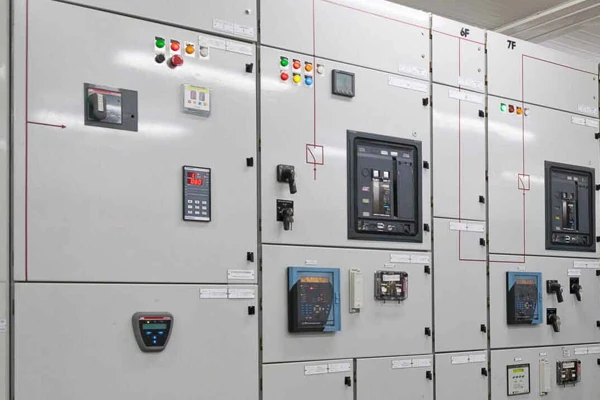
Electrical panels serve as the backbone of your power infrastructure. They manage load distribution, protect equipment, and support automation systems.
A reputable electrical panel manufacturer ensures:
- Compliance with industrial panel safety standards
- Reliable performance under heavy loads
- Proper circuit protection and fault isolation
- Customization for specific operational needs
For business owners and facility managers, this translates into fewer breakdowns, lower maintenance costs, and reduced operational risk.
Key Factors to Evaluate in an Electrical Panel
Manufacturer
1. Technical Expertise and Engineering Capabilities
A capable panel manufacturer should offer more than assembly services. Look for strong electrical engineering services that include:
- Load analysis and system design
- Component selection based on application
- Short-circuit and thermal calculations
- Compliance documentation
Engineering depth ensures your panels are built around your operational requirements—not generic templates.
2. Understanding MCC vs PCC Panel Difference
Many decision-makers struggle with selecting the right type of panel. Knowing the MCC vs PCC panel difference is essential.
- PCC (Power Control Center) panels manage incoming power and distribute it to various circuits.
- MCC (Motor Control Center) panels control motors and heavy machinery in industrial setups.
An experienced electrical panel manufacturer will guide you on whether you need one or both systems and how they integrate efficiently.
3. Customization for Industry-Specific Applications
Not all projects are the same.
For example, electrical panels for HVAC systems require precise motor control, temperature management compatibility, and energy efficiency integration. Manufacturing plants may prioritize motor protection and automation compatibility.
Ask whether the panel manufacturer offers:
- Custom enclosure ratings (IP standards)
- PLC integration
- Remote monitoring capabilities
- Future expansion options
Customization directly impacts long-term flexibility.
4. Compliance and Industrial Panel Safety Standards
Safety is non-negotiable.
Your chosen electrical panel manufacturer must comply with recognized industrial panel safety standards such as:
- IEC standards
- IS standards
- Proper earthing and insulation practices
- Short-circuit withstand ratings
Non-compliance can result in legal issues, insurance complications, and severe safety hazards
5. Quality of Components and Testing Protocols
Panels are only as strong as their components.
Ask about:
- Breaker brands used
- Busbar material quality
- Wiring practices
- Routine factory testing procedures
A trustworthy panel manufacturer will conduct load testing, insulation resistance testing, and functionality verification before dispatch.
The Long-Term Value of Partnering with Experts
Industrial electrical systems are not one-time installations; they are long-term assets.
Working with specialists reduces design errors, improves energy efficiency, and supports scalability as your business grows. Professional oversight ensures you avoid mismatched components, undersized systems, or safety oversights.
This is where experienced providers like Dj Electro Controls make a difference.
With strong expertise in electrical engineering services, a deep understanding of MCC vs PCC panel difference, and proven experience delivering electrical panels for HVAC systems, Dj Electro Controls supports businesses with reliable, compliant, and custom-built solutions.
Their focus on industrial panel safety standards ensures that every project aligns with regulatory and operational requirements.
If you're planning a new installation or upgrading existing systems, it’s wise to consult professionals early in the process. You can explore solutions or contact us through their website for tailored guidance.
FAQ: Electrical Panel Manufacturer Selection
1. What does an electrical panel manufacturer actually do?
An electrical panel manufacturer designs, assembles, and tests power distribution panels used in industrial and commercial facilities.
2. How do I know if a panel manufacturer meets safety standards?
Check for compliance certifications, testing procedures, and adherence to recognized industrial panel safety standards.
3. What is the difference between MCC and PCC panels?
PCC panels manage overall power distribution, while MCC panels control motors and machinery. Both serve different but complementary roles.
4. Should I choose a local or large-scale panel manufacturer?
Choose based on technical capability, customization options, and service support—not just size or location.
5. Why is customization important in industrial electrical panels?
Every facility has unique load demands and expansion plans. Custom panels ensure optimal performance and scalability.
Final Thoughts
Choosing the right electrical panel manufacturer is a critical decision that directly impacts safety, performance, and long-term operational efficiency. By evaluating technical expertise, compliance standards, customization capability, and testing protocols, businesses can secure a power distribution system that supports sustainable growth.
If you're looking for a trusted partner with proven expertise, Dj Electro Controls offers tailored solutions designed for industrial and commercial demands. Visit their website or contact us today to discuss your project and ensure your electrical infrastructure is built to last.