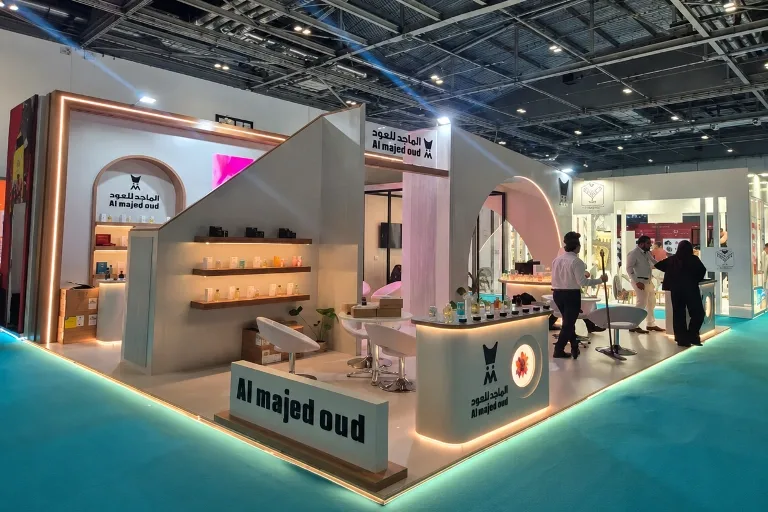
Exhibiting at a trade show involves much more than booking floor space and displaying products. Your exhibition booth becomes a physical representation of your brand, so the company responsible for designing and building it can have a major impact on the overall experience.
With many exhibition booth fabricators offering different design styles, pricing models, and levels of support, exhibitors should evaluate potential partners carefully. The right choice is not simply the company with the most impressive portfolio or the lowest quotation. It is the company that can translate your objectives into a practical booth and manage the project reliably from concept to completion.
Here are some important factors to consider before hiring an exhibition booth company.
1. Look for Relevant Exhibition Experience
Start by reviewing the company's completed projects. A strong portfolio should include photographs of actual built booths rather than only computer-generated concepts.
Look for projects that are similar to your requirements in terms of booth size, industry, layout, or design complexity. If you are participating in exhibitions across different countries, it can also help to work with a company familiar with international exhibition venues and project coordination.
Ask potential suppliers about the types of shows they have worked on and how they normally handle venue-specific requirements.
2. Understand What Services Are Included
Not every booth company provides the same level of service.
Some businesses focus mainly on design, while others manage fabrication, graphics, transportation, installation, dismantling, and storage as well. Before comparing quotations, understand exactly what each supplier is responsible for.
A capable exhibition stall builder should be able to clearly explain the process from initial design discussions through production and on-site installation.
Ask whether the quotation includes items such as:
- Flooring and lighting
- Furniture
- Graphics and signage
- Electrical work
- Audio-visual equipment
- Transportation
- Installation and dismantling
- On-site support
Clear responsibilities can prevent unexpected costs and last-minute confusion.
3. Choose a Design Based on Your Objectives
An exhibition booth should support your business goals rather than simply attract attention.
Before discussing the design, identify what visitors need to do inside the booth. Will your team conduct private meetings? Demonstrate products? Collect leads? Display large equipment? Provide samples?
These requirements should influence the layout.
For example, a business focused on demonstrations may need open viewing areas, while a company expecting detailed client conversations may benefit from dedicated meeting spaces.
The best exhibition partners ask about these objectives before creating the first concept.
4. Compare Quotations Carefully
Choosing the cheapest quotation can sometimes lead to additional expenses later.
Instead of comparing only the final price, review what is included in each proposal. Ask whether costs such as venue services, freight, rigging, electrical connections, storage, or design revisions are included or charged separately.
A detailed quotation makes it easier to compare different exhibition booth fabricators fairly.
It also helps you plan your exhibition budget more accurately.
5. Check Project Timelines
Trade shows operate on fixed schedules. Your booth must be ready before the exhibition opens, regardless of production or logistical challenges.
Ask the company to provide a clear project timeline covering design approval, fabrication, graphics production, transportation, installation, and final inspection.
You should also understand when your team needs to approve designs or provide branding materials.
Starting early provides more time to make improvements without creating unnecessary pressure close to the event.
6. Evaluate Communication and Project Management
Good communication is just as important as good design.
Before signing a contract, find out who will manage your project and how frequently you will receive updates. A dedicated contact can make it easier to coordinate design revisions, technical requirements, deadlines, and venue arrangements.
Pay attention to communication during the quotation stage. If a supplier provides clear answers, realistic timelines, and detailed information before receiving the project, that can be a useful indication of how they may manage the work later.
Exhibitors researching full-service exhibition solutions can also review the project approach and capabilities of Stall Designs when comparing potential booth partners.
7. Think Beyond the Initial Design
A visually impressive concept is only valuable if it can be built safely, delivered within budget, and installed on time.
When choosing an exhibition stall builder, consider the complete process: design quality, fabrication capability, logistics, venue coordination, installation, and after-show support.
The best partner should be able to explain not only what your booth will look like, but also how the project will move from an idea to a finished exhibition space.
Final Thoughts
Selecting the right exhibition booth company requires a balance of creativity, practical experience, transparent pricing, and dependable project management.
Compare several providers, review their completed work, ask detailed questions, and make sure the company understands your exhibition goals before making a final decision.
A little extra research before hiring can help reduce surprises and create a booth that works effectively for both your visitors and your exhibition team.
FAQs
What should I ask an exhibition booth company before hiring?
Ask about completed projects, fabrication capabilities, included services, project timelines, venue coordination, installation support, payment terms, and any costs that are excluded from the quotation.
How early should I hire an exhibition stall builder?
For custom exhibition projects, starting several weeks or months in advance is generally preferable. Larger or international booths may require additional time for design approvals, production, logistics, and venue documentation.
Should design and fabrication be handled by the same company?
It is not essential, but using one company for both can simplify communication and accountability. The most important factor is having clearly defined responsibilities for every stage of the project.