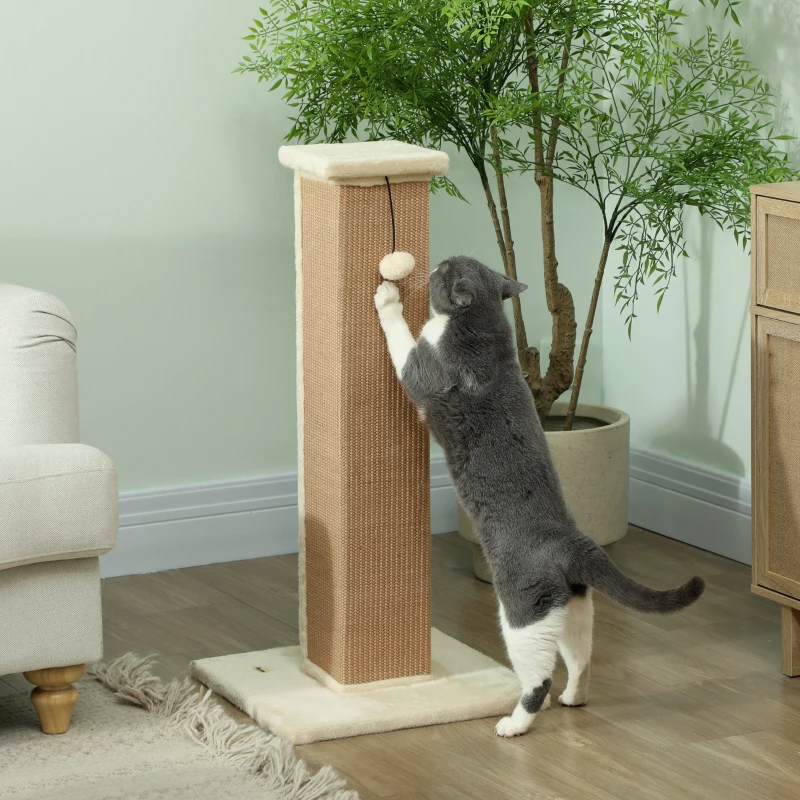
Cats naturally scratch to maintain their claws, stretch their muscles, and mark their territory. Providing a suitable cat scratcher helps protect furniture while also supporting a cat’s physical and behavioural needs. However, with so many styles available, choosing the right scratcher can feel confusing.
Understanding your cat’s habits, preferences, and environment makes it easier to select a scratcher that will actually be used.
Understand Your Cat’s Scratching Style
Every cat has its own scratching preference. Observing how your cat currently scratches furniture, carpets, or other surfaces can give useful clues.
Common scratching styles include:
- Vertical scratchers: Suitable for cats that like to stretch upward while scratching furniture legs or walls.
- Horizontal scratchers: Ideal for cats that scratch carpets or rugs.
- Angled scratchers: A good middle option for cats that enjoy slightly sloped surfaces.
Matching the scratcher style to your cat’s natural behaviour significantly increases the chances that it will use the scratcher regularly.
Choose the Right Height and Stability
A good cat scratcher should allow the cat to fully stretch its body. When a scratcher is too short or unstable, many cats will ignore it and return to scratching household items instead.
Look for the following features:
- Tall enough for full stretching
- Wide or heavy base to prevent tipping
- Strong materials that withstand repeated scratching
Stability is particularly important for energetic or larger cats. If the scratcher moves or falls during use, the cat may avoid it in the future.
Consider the Scratching Material
The surface material of the scratcher plays a major role in how appealing it is to cats.
Popular scratching materials include:
- Sisal rope or sisal fabric: Durable and widely loved by most cats
- Corrugated cardboard: Affordable and great for horizontal scratchers
- Carpet surfaces: Soft texture but may encourage carpet scratching habits
Sisal is often considered one of the most reliable choices because it provides strong resistance, allowing cats to dig their claws in comfortably.
Think About Placement in the Home
Even the best scratcher may go unused if it is placed in the wrong location.
Cats often prefer to scratch:
- Near sleeping areas
- Close to favourite lounging spots
- Along pathways they frequently walk
Positioning the scratcher near these locations helps the cat adopt it as part of its daily routine. If a cat is scratching a specific piece of furniture, placing the scratcher nearby can redirect the behaviour.
Multi-Function Scratchers Can Add Value
Some scratchers come combined with other features that make them more attractive to cats.
Examples include:
- Scratching posts attached to cat trees
- Scratchers with built-in lounging platforms
- Scratching surfaces combined with play toys
These designs encourage more interaction and keep cats mentally stimulated while still serving the main purpose of claw maintenance.
Size and Activity Level of the Cat
The size and energy level of a cat should also influence the choice.
- Large or active cats benefit from tall, heavy scratchers or full scratching posts.
- Kittens or smaller cats may enjoy compact scratch pads or lightweight designs.
- Older cats may prefer low horizontal scratchers that require less stretching.
Selecting a scratcher suited to the cat’s physical abilities ensures it remains comfortable to use.
Encouraging Your Cat to Use the Scratcher
Some cats adopt a new scratcher immediately, while others need encouragement.
Helpful methods include:
- Placing the scratcher near existing scratching areas
- Sprinkling a small amount of catnip on the surface
- Rewarding the cat when it uses the scratcher
- Gently redirecting scratching behaviour to the post
Consistency helps the cat understand that the scratcher is the appropriate place to sharpen its claws.
Helping Your Cat Scratch the Right Way
Choosing the right cat scratcher comes down to understanding your cat’s scratching habits, selecting durable materials, and placing the scratcher in a convenient spot. A sturdy design that allows full stretching encourages regular use and helps keep furniture safe while supporting natural feline behaviour.