In today’s fast-moving digital environment, selecting the right bug tracker online can directly impact product quality, team productivity, and customer satisfaction. For businesses managing eLearning platforms, software products, or enterprise applications, an efficient issue tracking system helps teams identify, prioritize, and resolve defects before they affect end users. Whether you are a growing business or an established organization, the right cloud-based solution supports seamless collaboration between developers, QA teams, project managers, and stakeholders.
For organizations in the eLearning space, including Swift eLearning Services, choosing the right online bug tracking software is especially important to maintain smooth learner experiences, reduce downtime, and improve platform performance.
Why Does Your Business Need a Bug Tracking System in the First Place?
Before choosing a platform, it is important to understand why a bug tracking system matters.
A reliable online issue tracking software helps businesses:
- Centralize bug reporting and issue management
- Prioritize defects based on severity
- Assign tasks to the right team members
- Track progress in real time
- Maintain a clear audit trail
- Improve product release cycles
- Enhance collaboration across remote teams
For eLearning businesses, even minor technical issues can affect learner engagement, course accessibility, and compliance requirements. A robust cloud bug tracker minimizes these risks.
What Features Should You Look for in a Bug Tracker Online?
Choosing the right tool starts with evaluating its core capabilities.
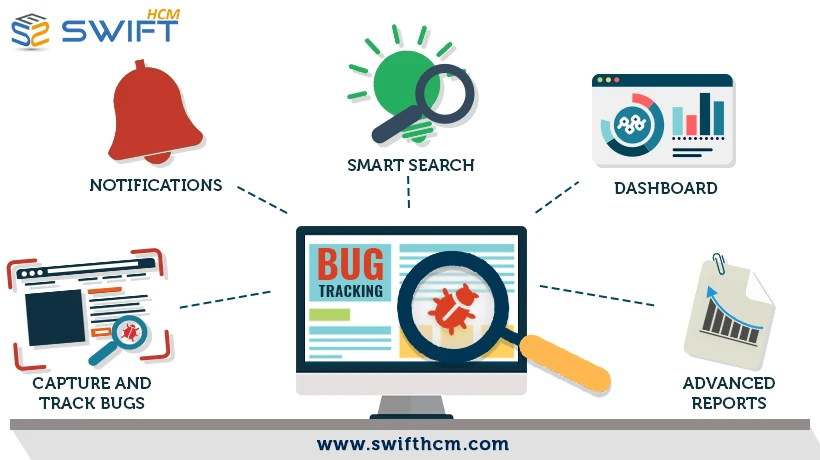
1. Easy Bug Reporting and Ticket Creation
The platform should make it simple for users, testers, and internal teams to report issues.
Look for features such as:
- One-click issue creation
- Screenshot and file attachments
- Priority labels
- Category tagging
- Reproducible steps fields
- Due dates and status updates
A strong defect tracking software should reduce manual effort and improve reporting accuracy.
2. Real-Time Collaboration Tools
Modern businesses often work across distributed teams.
Your online bug tracking tool should support:
- Team comments
- mentions and notifications
- live status updates
- role-based access
- workflow approvals
This is particularly useful for eLearning development teams handling LMS integrations, course deployment issues, and platform testing.
3. Custom Workflow Management
Every business has a different process for issue resolution.
Ask this question:
Can the tool adapt to your workflow instead of forcing you to adapt to it?
The best issue management software offers customizable workflows such as:
- Open
- In progress
- Under review
- QA testing
- Resolved
- Closed
This flexibility improves operational efficiency.
How Important Is Cloud Accessibility for Growing Teams?
This is one of the most searched questions around cloud-based bug tracker solutions.
Cloud accessibility is no longer optional.
A modern bug tracker online for business should offer:
- browser-based access
- remote login
- mobile compatibility
- secure cloud storage
- multi-device synchronization
For organizations managing multiple teams, vendors, or global eLearning projects, cloud access ensures uninterrupted communication and faster issue resolution.
Should You Prioritize Integration with Existing Tools?
Absolutely.
A common mistake businesses make is selecting a standalone tool that does not integrate with their workflow.
Look for integration support with:
- LMS platforms
- project management tools
- CRM systems
- communication platforms
- version control systems
- testing software
For example, an eLearning company may need issue tracking connected with course authoring workflows, learner management systems, and support ticket tools.
A highly integrated online defect tracker reduces duplication and improves visibility.
What Security and Compliance Features Matter Most?
Businesses handling enterprise learning platforms and user data must prioritize security.
Choose a secure bug tracking software that includes:
- encrypted cloud storage
- role-based permissions
- access logs
- secure backups
- compliance support
- data retention controls
For professional eLearning environments, maintaining learner data security and system integrity is essential for trust and compliance.
This is a strong E-E-A-T signal for high-authority platforms.
How Can You Evaluate Ease of Use Before Buying?
A tool with advanced features but poor usability often slows adoption.
Ask these practical questions:
- Is the dashboard intuitive?
- Can non-technical stakeholders use it?
- Does it require extensive training?
- Are reports easy to generate?
A business-friendly bug reporting software should be easy for developers, testers, instructional designers, and managers alike.
This is especially valuable in eLearning organizations where multiple departments collaborate on digital training products.
Which Reporting and Analytics Features Improve Decision-Making?
The best bug tracker online tools provide actionable insights.
Look for:
- defect trend reports
- issue aging reports
- resolution time metrics
- sprint-based analytics
- productivity dashboards
These insights help leadership teams make informed decisions about product quality, release readiness, and resource allocation.
For example, recurring LMS bugs may reveal larger architectural issues that need strategic attention.
How Do You Know If the Tool Can Scale with Your Business?
Scalability is often overlooked.
Your business may have 5 users today and 100 tomorrow.
Choose a scalable issue tracking platform that supports:
- multiple projects
- unlimited users
- custom departments
- enterprise permissions
- advanced reporting
- API access
For growing eLearning businesses, scalability ensures long-term value without the need to migrate systems later.
What Makes Swift eLearning Services a Relevant Choice for eLearning Businesses?
For organizations in the learning technology sector, Swift eLearning Services understands the operational challenges of digital learning ecosystems.
Its expertise in eLearning solutions, LMS workflows, and enterprise learning environments makes it easier to align bug tracking with real business outcomes such as:
- uninterrupted learner access
- smooth course delivery
- faster issue resolution
- better platform stability
This industry relevance adds trust and authority for professional audiences.
Final Checklist: How to Choose the Best Bug Tracker Online
Before making a decision, use this quick checklist:
- Easy bug reporting
- cloud-based access
- custom workflows
- third-party integrations
- strong security
- analytics and reports
- user-friendly interface
- scalable pricing
- eLearning workflow compatibility
Choosing the right online bug tracker for your business is not just about fixing software issues. It is about improving team collaboration, product quality, and customer experience.
For eLearning businesses, the right platform can directly influence learner satisfaction and platform credibility.
By focusing on usability, scalability, integrations, and security, businesses can invest in a solution that supports both current operations and future growth.