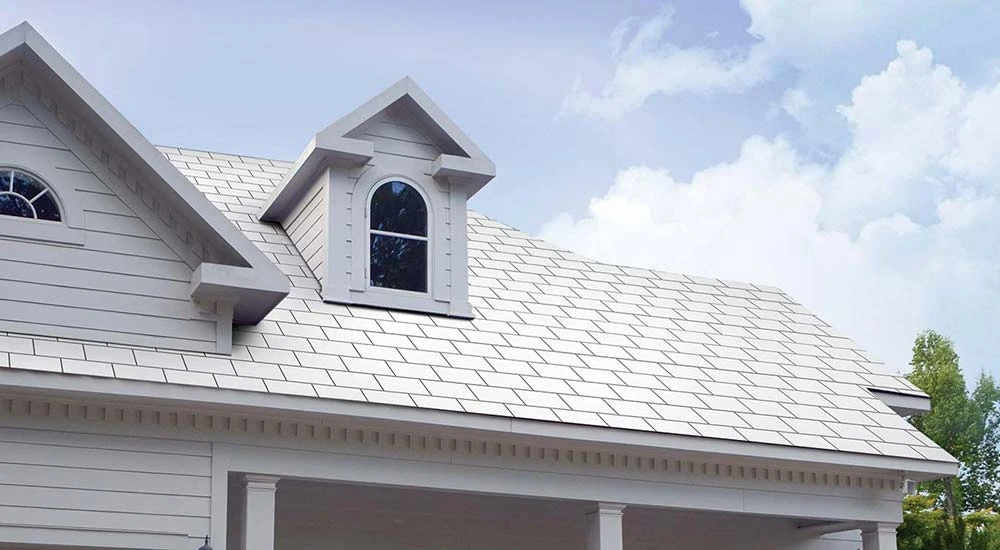
Terraces are not just functional spaces; they also enhance the aesthetic and practical value of your home. However, in high-rainfall areas, terraces face unique challenges such as waterlogging, slipping hazards, and potential structural damage.
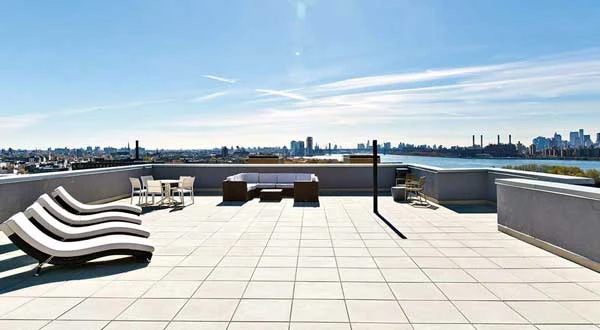
Choosing the right terrace tiles can help you overcome these issues while maintaining an attractive and durable surface. Here’s a comprehensive guide to selecting the best terrace tiles for wet climates.
Understanding the Challenges of High-Rainfall Areas
Terraces in rainy regions often face:
- Water Accumulation: Poor drainage can lead to standing water, which affects the integrity of tiles and increases the risk of leaks.
- Slippery Surfaces: Smooth or glossy tiles can become a safety hazard when wet.
- Mold and Mildew: Constant exposure to moisture promotes fungal growth, which can damage tiles and compromise hygiene.
- Temperature Fluctuations: Sudden cooling during rains can cause certain tiles to crack or warp.
Key Factors to Consider When Choosing Terrace Tiles
1. Water Resistance
Select tiles with low water absorption rates. Porcelain and vitrified tiles are excellent options because they are non-porous and highly resistant to water penetration.
2. Slip Resistance
Safety should be a priority. Choose anti-skid tiles or textured tiles that provide a firm grip even in wet conditions. Look for tiles with a high Coefficient of Friction (COF).
3. Durability
High-quality tiles that withstand heavy rainfall, temperature variations, and wear and tear are essential. Vitrified tiles, natural stone, and concrete tiles are known for their strength and longevity.
4. Aesthetics and Functionality
While functionality is crucial, don’t compromise on style. Tiles come in various colors, patterns, and finishes to match your home’s overall design.
5. Maintenance Requirements
Tiles exposed to rain should be easy to clean and maintain. Opt for tiles that resist staining, moss, and algae growth.
Best Tile Options for High-Rainfall Areas
Porcelain Tiles
- Advantages: Water-resistant, durable, low-maintenance, and available in various finishes.
- Best Use: Ideal for terrace flooring and walls due to their ability to resist moisture and stains.
Vitrified Tiles
- Advantages: Low porosity, frost-resistant, and highly durable.
- Best Use: Suitable for flooring in areas prone to waterlogging.
Natural Stone Tiles (Granite, Slate)
- Advantages: Provide a rustic, timeless appeal while being slip-resistant and durable.
- Best Use: Perfect for terraces with natural or traditional themes. Sealing is recommended for added protection.
Terracotta Tiles
- Advantages: Eco-friendly and aesthetic with good drainage properties.
- Best Use: Suitable for moderate rainfall regions. Requires periodic sealing.
Concrete Tiles
- Advantages: Extremely durable and customizable in texture and color.
- Best Use: Excellent for high-traffic terrace areas.
Benefits of Using the Right Terrace Tiles
- Enhanced Safety: Slip-resistant surfaces reduce the risk of accidents.
- Long-Term Durability: High-quality tiles withstand the challenges of rainy climates.
- Improved Aesthetics: Beautiful tiles elevate the look of your outdoor space.
- Ease of Maintenance: Slip resistant tiles simplify cleaning and upkeep.
- Increased Property Value: Well-maintained terraces add to the overall appeal and value of your home.
Selecting the best terrace tiles for high-rainfall areas requires a balance between functionality, safety, and aesthetics. Porcelain, vitrified, and natural stone tiles offer durability and water resistance, while anti-skid features ensure safety. By considering factors like water resistance, slip resistance, and proper installation, you can create a terrace that remains beautiful and functional for years to come.
Invest in quality tiles and maintain them regularly to enjoy a terrace that withstands the challenges of heavy rainfall with ease.