You open the kitchen tap and fill a glass. The water looks clear. There is no visible dirt. Still, a question stays in your mind.
Is this water really safe to drink? This question appears in many Indian homes today. Municipal supply reaches most cities, yet drinking directly from the tap still feels risky. According to recent studies, a large number of urban households rely on some form of filtration before drinking water, even when the supply comes from city authorities.
Many families feel stuck between two options. Either trust tap water fully or invest in bulky water purifiers that take space, electricity, and regular servicing. This gap explains why tap-based filtration has gained attention.
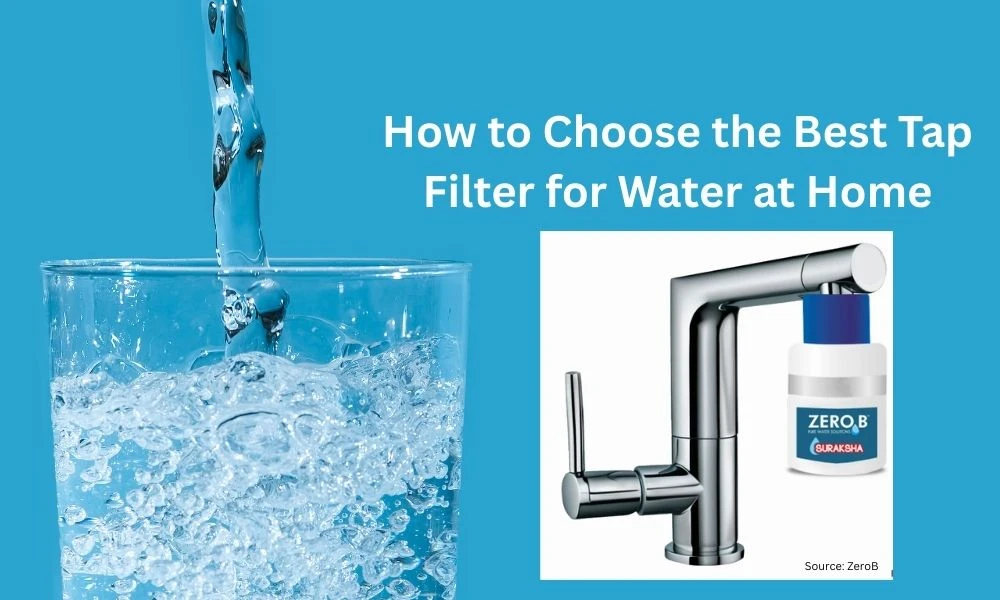
The best tap filter for water attaches directly to the kitchen faucet. No drilling. No electrical connection. No permanent change to the home. For many households, especially those living on a budget, this option feels practical.
Still, not every tap filter works the same way. Some improve taste only. Others reduce certain impurities. Choosing the wrong one can waste money and create false comfort. This guide explains how tap filters work, what they handle well, and how to decide if the best tap water filter for home fits your situation.
Why Do Indian Homes Need a Tap Water Filter Today?
Clear water does not always mean safe water. This reality matters more now than before.
Common Issues With Municipal Tap Water
City water passes through treatment plants, pipelines, storage tanks, and building plumbing before reaching your kitchen. Along this journey, problems can appear.
Old pipelines release rust and fine particles. Construction activity near water lines introduces dirt and debris. Overhead tanks remain uncleaned for long periods, allowing contamination to build up.
Chlorine also plays a role. Authorities add it to kill germs. While necessary, chlorine creates a strong taste and smell that many people dislike. Some stop drinking enough water simply because the taste feels unpleasant.
These issues explain why families search for a tap water filter for home use rather than fully trusting the supply.
Why Clear Water Does Not Always Mean Safe Water
Many harmful substances dissolve completely in water. Heavy metals, chemical residues, and disinfection byproducts show no color or smell. Water can look clean and still carry impurities.
This makes visual checks unreliable. Filtration becomes important not because water looks bad, but because invisible risks exist.
How Tap Filters Suit Rented Homes and Apartments
Tap filters work well for rented spaces.
They install in minutes. No plumber required. No wall drilling. No permission needed. When you move, you remove the filter and carry it along.
Cost also stays reasonable. Compared to large purification systems, tap filters require lower upfront spending and minimal upkeep. For tenants, this balance matters.
What Makes the Best Tap Filter for Water at Home?
Understanding how tap filters work helps avoid poor choices.
Filtration Technology Used
Most tap filters rely on two main layers.
The first layer traps visible particles like sand, rust, and dirt. This improves clarity quickly.
The second layer uses activated carbon. Carbon absorbs chlorine, improves taste, and reduces many chemical traces. Water tastes fresher and more pleasant after this stage.
The best tap filter for drinking water focuses on these everyday issues rather than extreme purification. Municipal water already goes through basic treatment. Tap filters improve what remains.
Compatibility With Indian Taps
Indian kitchens use many tap designs. Some have round spouts. Others use square or curved shapes. Wall-mounted taps remain common.
A good tap filter includes multiple adapters or universal fittings. Installation should not require tools. If fitting feels difficult, the product may not suit daily use.
Leak-free sealing also matters. Poor fitting causes dripping and water loss, which quickly becomes frustrating.
Ease of Daily Use and Maintenance
Tap filters succeed because they stay simple.
Cartridge replacement should take only a few minutes—no technical skill required. Filters usually last between six and twelve months, depending on water quality and usage.
Replacement cartridges must remain easy to find. Some brands discontinue older models quickly, leaving users stuck. Checking availability before buying prevents trouble later.
Are Tap Water Filters Effective for Daily Drinking?
This question deserves an honest answer.
What Tap Filters Handle Well
Tap filters work well with treated municipal water.
They reduce chlorine taste and smell. They remove visible sediment. They improve overall drinking comfort. Many households drink more water simply because the taste improves.
So yes, are tap water filters effective for daily drinking when the water source already meets basic safety standards?
What Tap Filters Cannot Handle
Tap filters do not remove very high dissolved salts. They do not treat severe contamination. They cannot handle untreated borewell water with high mineral content.
Understanding this boundary prevents disappointment.
Best Use Scenarios
Tap filters suit homes with:
Municipal supply
Moderate TDS (Know more about TDS)
Taste and odor concerns
Rented kitchens
Limited space
In such cases, tap filtration works well without overcomplication.
Do Tap Filters Remove Contaminants From Drinking Water?
Another common question often comes up.
What Contaminants Are Found in Tap Water
Tap water may contain:
Sediment from pipes
Chlorine from treatment
Organic chemical traces
Some heavy metals
Hardness minerals
Not all appear everywhere, but many homes experience at least a few.
What Tap Filters Remove
So, do tap filters remove contaminants? Yes, but selectively.
They remove chlorine, reduce sediment, and improve taste. Some models lower certain heavy metals. Organic chemical reduction also occurs through carbon media.
They do not remove everything. Expect improvement, not total purification.
Setting Real Expectations
Tap filters improve drinking quality. They do not replace RO systems for heavily contaminated sources. Using them within their intended purpose keeps results satisfying.
Best Tap Water Filter for Home Use vs Other Water Purifiers
Understanding differences avoids wrong investment.
Tap Filters vs RO Systems
RO systems remove dissolved salts and heavy contaminants. They cost more, need electricity, and waste water.
Tap filters cost less, install easily, and work without power. They suit municipal supply that already meets safety limits.
Tap Filters vs Countertop Purifiers
Countertop units sit on the kitchen counter and require space. Tap filters stay attached to faucets and remain out of the way.
Households short on space often prefer tap filtration.
Choosing the Right Fit
For many families, the best tap water filter for home use delivers enough improvement without complexity.
How to Choose the Best Tap Water Filter for Your Home
Choosing wisely saves money and effort.
Match Filter Choice With Water Source
Testing water helps. Knowing TDS and chlorine levels guides decisions. Municipal supply with moderate TDS pairs well with tap filtration.
Consider Family Size
Larger families use more water. Higher capacity cartridges reduce replacement frequency. Smaller households can manage with standard cartridges.
Check Replacement Cost
Replacement cost matters long term. Some filters appear cheap but charge high prices for cartridges. Balanced pricing works best over time.
Common Mistakes to Avoid While Buying a Tap Filter
Choosing Only by Price
Very cheap filters cut corners. Poor carbon quality and weak housing reduce lifespan.
Ignoring Tap Compatibility
Always check tap size and design before buying. Mismatch leads to leakage or returns.
Forgetting Maintenance
Filters require timely replacement. Old cartridges stop working properly. Setting reminders helps maintain water quality.
Conclusion
Tap filters offer a practical starting point for cleaner drinking water in Indian homes. They address common concerns like chlorine taste, sediment, and daily comfort without heavy installation or high cost.
Choosing the best tap filter for water depends on knowing your source and setting realistic expectations. For many urban households, tap filtration supports better hydration habits while reducing bottled water use.
Simple choices lead to steady benefits. Better taste encourages regular drinking. Regular drinking supports comfort and energy. In many cases, that change matters more than complex systems.
Frequently Asked Questions
Are tap water filters safe for drinking water in Indian homes?
Yes, tap filters remain safe for the treated municipal supply. They improve taste and reduce common impurities. They do not replace advanced purification for severe contamination.
How long does a tap water filter last?
Most cartridges last six to twelve months. Usage volume and water quality affect lifespan. Replacement on time keeps results consistent.
Can tap filters be used in rented houses?
Yes. Tap filters suit rented homes perfectly. Installation takes minutes and leaves no permanent marks. They can move with you easily.