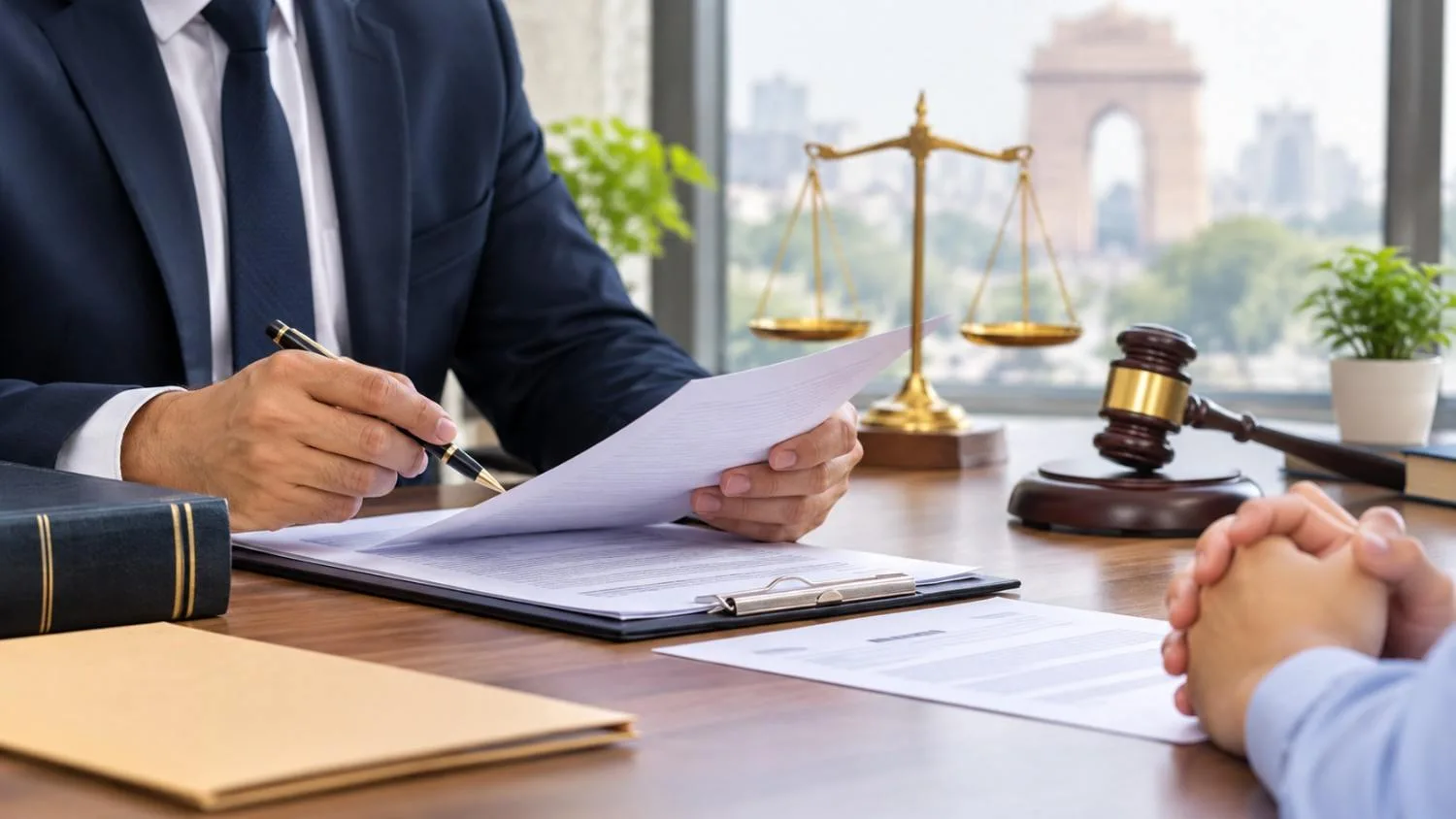
When someone owes you money and refuses to pay, it can feel stressful and unfair. Maybe a business partner has delayed your payment for months. Maybe a client has stopped answering calls after taking your goods or services. Or maybe a friend borrowed a large sum and never returned it. In all these cases, a strong legal approach can help you get your money back.
But the result of your case depends a lot on who handles it. Choosing the Best Recovery Lawyer in Delhi is not just about picking the first name you find online. It takes a little research and some common sense. In this guide, we explain five easy steps to help you make the right choice.
What Does a Recovery Lawyer Do?
A recovery lawyer helps you collect money that is legally owed to you. This can include unpaid invoices, bounced cheques, loan defaults, rent dues, property-related payments, and business disputes.
A good Recovery Lawyer in Delhi will study your documents, send a legal notice, try to settle the matter through talks, and, if needed, file a case in the right court. They guide you at every stage so you do not have to face the process alone.
Now let us look at how you can find the right person for your case.
Step 1: Check Their Experience in Recovery Cases
Law is a wide field. A lawyer who handles divorce or property cases may not be the right fit for money recovery. Always look for someone who works on recovery matters regularly.
Ask simple questions such as:
- How many recovery cases have you handled?
- Have you worked on cases similar to mine?
- Do you handle both civil and criminal remedies, such as cheque bounce cases under Section 138 of the Negotiable Instruments Act?
An experienced lawyer knows which legal route suits your situation. For example, some cases are best handled through a civil suit, while others may need a summary suit or a criminal complaint. Platforms like Legals365 focus on helping clients connect with lawyers who understand these differences, which saves time and confusion.
Step 2: Look at Their Reputation and Client Feedback
Reputation says a lot about a lawyer. Before you decide, spend a few minutes reading online reviews and testimonials. Check Google reviews, legal directories, and the lawyer's website.
Look for patterns in the feedback. Do clients say the lawyer was honest? Did they get regular updates? Was the lawyer easy to reach? A few negative comments are normal, but repeated complaints about poor communication or hidden charges are a warning sign.
You can also ask friends, relatives, or business contacts if they know a trusted Best Recovery Lawyer in Delhi. Personal recommendations are often the most reliable.
Step 3: Make Sure They Know Delhi Courts Well
Local knowledge matters. Delhi has several courts, including the Delhi High Court and district courts such as Tis Hazari, Patiala House, Saket, Karkardooma, Dwarka, and Rohini. Each court has its own working style and procedures.
A lawyer who practises regularly in these courts will know how to file your case properly, avoid delays, and follow up on hearings. They also understand which court has jurisdiction over your matter, which is a common point where cases go wrong.
When you meet a Recovery Lawyer in Delhi, ask where they usually appear. Someone familiar with local courts can often move your case forward much faster.
Step 4: Ask About Fees and Be Clear on Costs
Money matters are sensitive, especially when you are already trying to recover your own money. That is why you should always discuss fees at the start.
Ask the lawyer to explain:
- Consultation fee
- Charges for drafting and sending a legal notice
- Court filing costs
- Appearance fees per hearing
- Any success-based or percentage charges
A trustworthy lawyer will give you clear answers and will not promise a guaranteed result. Be careful of anyone who says they can win your case "100 percent." No honest lawyer can promise that. Ask for written details if possible, so there are no surprises later.
Also remember that the cheapest option is not always the best. Focus on value, which means fair pricing along with good service and clear communication.
Step 5: Check Communication and Comfort Level
Your case may take weeks or even months, so you need a lawyer you can talk to openly. During your first meeting, notice how they behave.
- Do they listen carefully to your story?
- Do they explain the legal steps in simple words?
- Do they respond to calls and messages on time?
- Do they give you honest advice, even if it is not what you want to hear?
The Best Recovery Lawyer in Delhi for you is someone who makes you feel informed and confident. You should never feel confused about what is happening in your own case.
Documents You Should Keep Ready
Before meeting any lawyer, gather your paperwork. This helps them judge your case quickly. Keep these ready:
- Invoices, bills, or agreements
- Cheques, bank statements, or payment receipts
- Emails, WhatsApp chats, or letters showing the debt
- Any earlier notices or reminders you have sent
Strong documents make your case stronger. Even if some papers are missing, a good lawyer can often guide you on how to build your evidence.
Why Acting Early Helps
In India, the law sets time limits for filing recovery cases. For many money claims, the limitation period is three years from the date the payment became due. If you wait too long, you may lose your right to take legal action. So do not delay. The sooner you speak to a lawyer, the better your chances of a smooth recovery.
Final Thoughts
Choosing the right legal help can make a real difference when you are trying to get your money back. To summarise, look for experience, check reputation, make sure the lawyer knows Delhi courts, discuss fees openly, and pick someone you can communicate with comfortably.
If you want reliable support, Legals365 can help you connect with a trusted Recovery Lawyer in Delhi who understands your situation and guides you step by step. Take your time, ask the right questions, and trust your judgment. With the right lawyer by your side, recovering what is rightfully yours becomes far less stressful.