
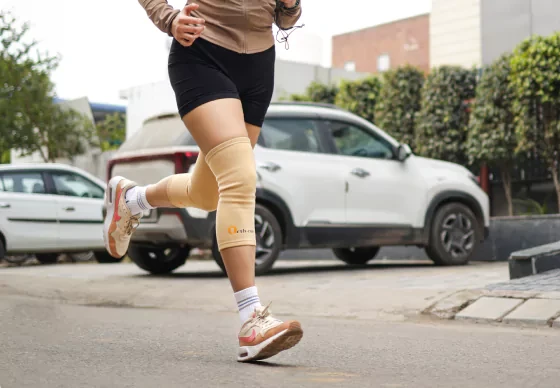
Knee discomfort can make even simple daily tasks feel challenging. Whether caused by arthritis, injury, or long hours on your feet, finding the right knee brace can make a world of difference. The right support not only eases discomfort but also promotes mobility and confidence in your everyday routine.
1. Understand Your Needs First
Before choosing a knee brace, identify the cause of your knee pain. Is it due to arthritis, an old sports injury, or overuse? Different conditions require different levels of support. For example, Knee Support Braces Manage Arthritis and Joint Pain by offering warmth and compression that reduce inflammation, while injury recovery braces provide more rigid stabilization.
2. Know the Types of Knee Braces
There are several types of knee braces designed for varying purposes:
- Compression Sleeves: Ideal for mild pain or swelling. They improve blood flow and provide light support for daily movement.
- Wraparound Braces: Easy to wear and adjust, perfect for people who need flexible support throughout the day.
- Hinged Braces: Offer maximum stability for those recovering from ligament injuries or surgeries.
- Patella Braces: Designed to support the kneecap and relieve pressure in specific areas.
Choosing the right type depends on your activity level, pain intensity, and doctor’s recommendation.
3. Focus on Comfort and Fit
A knee brace should fit snugly but not feel restrictive. Poorly fitted braces can slip, irritate the skin, or limit mobility. Measure your knee circumference and refer to size charts before purchasing. Look for breathable, moisture-wicking materials that make extended wear more comfortable.
4. Match the Brace to Your Lifestyle
If you’re active, look for a brace that allows flexibility and airflow. For desk jobs or sedentary lifestyles, lightweight compression sleeves are often sufficient. Athletes or fitness enthusiasts may benefit from braces designed for sports, offering a balance between protection and performance.
5. Seek Professional Advice
Consult a physiotherapist or orthopedist before selecting a knee brace. A professional can evaluate your knee condition and recommend a brace that provides the right balance of support and movement.
6. Maintain Your Knee Brace Properly
To ensure longevity, hand wash your brace with mild detergent and let it air dry. Avoid machine drying, as heat can affect elasticity and performance. Regular cleaning also prevents odor and skin irritation.
Conclusion
The right Knee Support Braces can greatly enhance comfort and stability for people managing everyday joint discomfort. When chosen wisely, a good Knee Support not only alleviates pain but also helps you stay active and confident in your daily activities. Always prioritize comfort, fit, and expert guidance to make the best choice for your knees.