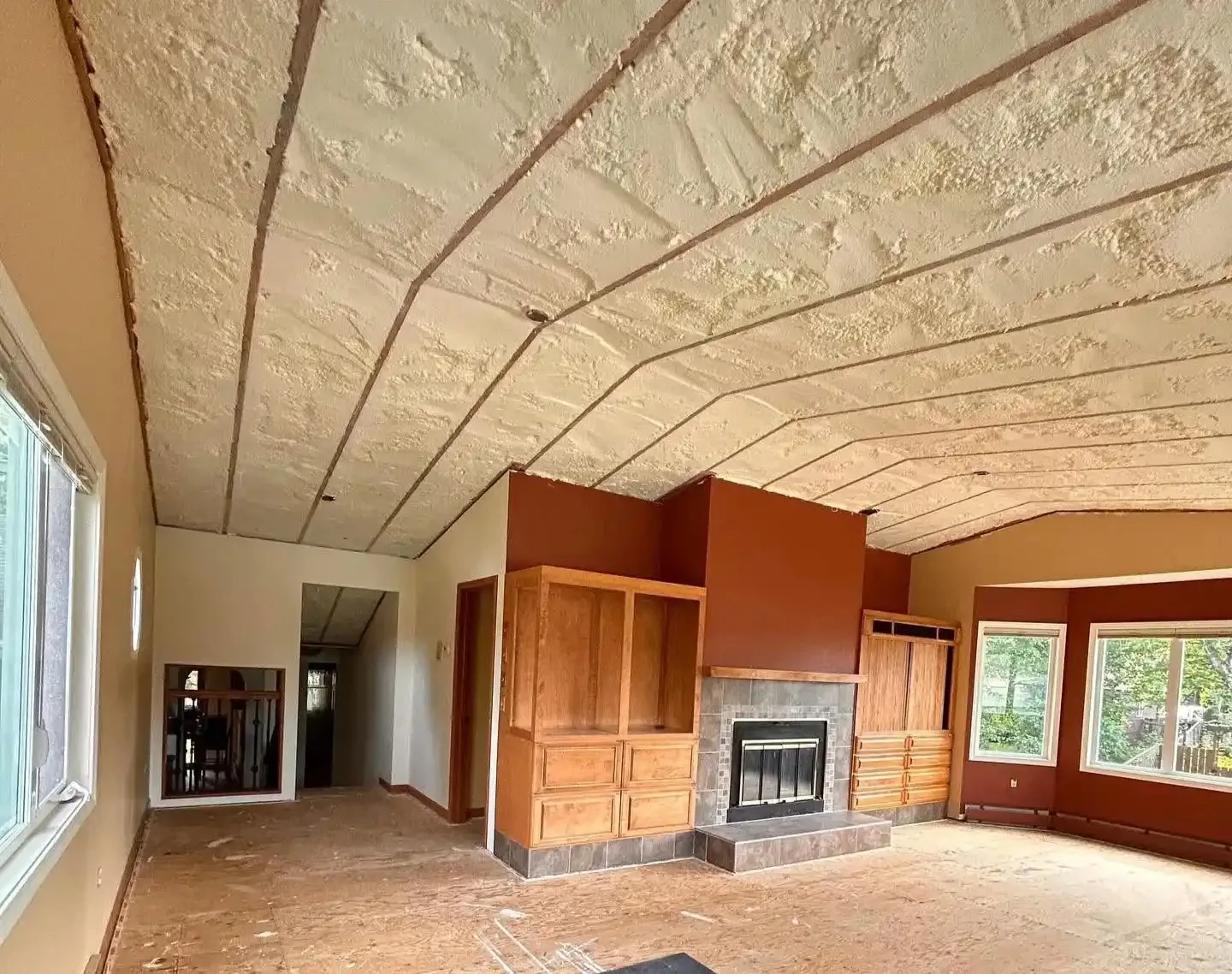
Selecting the best insulation company for home renovation projects requires verifying active trade licenses, checking material options, and reviewing client feedback. You get the best energy performance when you hire installers who understand regional building codes and proper air-sealing practices.
Updating an older house or expanding your living area requires effective thermal barriers to keep indoor temperatures consistent. Industry figures show that proper application matters just as much as the thermal rating of the materials you select.
Building science professionals agree that systematic contractor vetting prevents long-term moisture problems and drafts. This guide outlines every practical step you need to follow to hire qualified installation specialists with confidence.
Key Factors When Selecting a Home Insulation Specialist
You need to evaluate how trade contractors approach thermal barriers before signing a contract. Qualified installers analyze your whole house system rather than just blowing material into open wall cavities.
Planning for home renovation insulation demands clear communication regarding project scope, timing, and site access. You should expect potential contractors to inspect your attic, crawl spaces, and exterior walls before issuing an estimate.
- Verify active state licensing and general liability insurance coverage.
- Request specific references from recent projects in your local area.
- Confirm whether crew members hold certifications from material manufacturers.
- Ask about air-sealing procedures prior to placing thermal materials.
Hiring a licensed insulation contractor ensures that your project complies with local energy conservation codes and safety rules. Qualified teams follow strict protocols for ventilation, draft stopping, and fire safety during every installation.
What Qualifications Should You Look For in an Insulation Specialist?
Contractor qualifications directly affect the long-term energy efficiency of your property. Data from national housing surveys indicates that over 90 percent of existing homes in North America suffer from inadequate thermal protection.
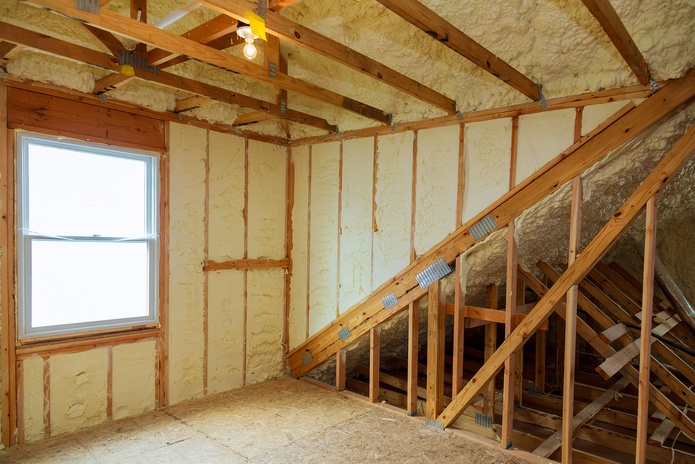
When choosing insulation experts, you should review their specific experience with modern spray foam, dense-pack cellulose, and rigid foam board systems. Skilled crews understand how different materials react to temperature shifts and moisture accumulation.
- Look for trade certifications from national insulation associations.
- Ensure the team has direct experience handling older homes with non-standard framing.
- Check for written warranties covering both product performance and labor quality.
- Confirm that workers wear proper protective gear and manage daily jobsite clean-up.
Bonus Tip: Always ask prospective contractors to show proof of workers' compensation insurance alongside their general liability certificate. This step protects you from financial liability if an installer suffers an injury on your property.
Comparing Insulation Materials and Application Methods
Different areas of your home demand targeted thermal solutions. Selecting a contractor who offers versatile insulation installation services allows you to mix material types for maximum performance across wall cavities, rim joists, and roof lines.
Climate zones play a major role in material selection. Homes in cold northern climates require higher thermal resistance ratings and superior vapor management compared to homes in mild southern regions.

- Choose closed-cell spray foam for sub-grade spaces and areas prone to high humidity.
- Use open-cell foam in interior spaces where sound reduction is a primary goal.
- Deploy blown-in materials for fast coverage over expansive attic floor spaces.
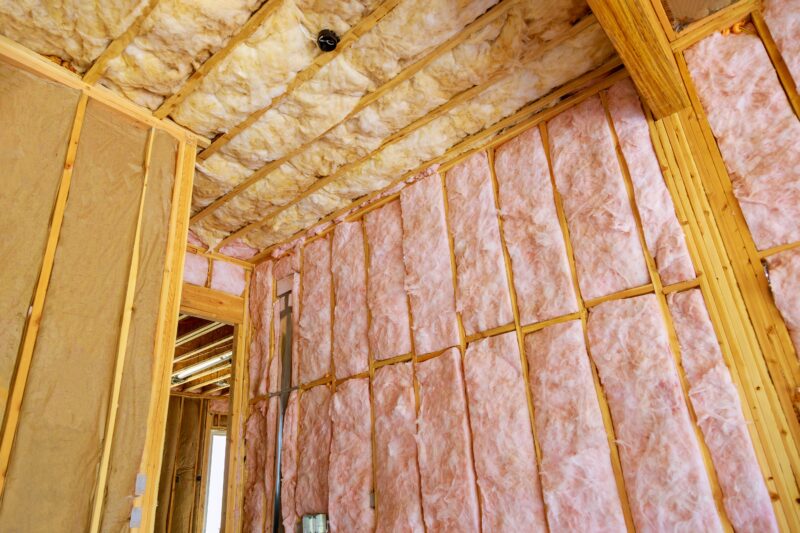
- Combine spray foam with traditional batts for hybrid cost management.
Working with an experienced insulation company for home renovation projects helps you match specific materials to your local weather conditions without spending money on unnecessary upgrades.
Things to Evaluate Before Making Your Final Hiring Choice
Before finalizing your selection, you need to compare detailed project proposals from at least three different companies. Evaluating multiple insulation project quotes gives you clear insight into local market rates and material choices.
Department of Energy research shows that fixing air leaks alongside thermal upgrades can cut heating and cooling costs by up to 15 percent. Contractors who omit air sealing from their proposals miss the primary source of thermal energy loss.
- Review itemized estimates line by line to verify included square footage.
- Confirm removal and disposal fees for old or contaminated material.
- Check projected start dates and overall completion schedules.
- Ask about safety protocols for chemical curing times during spray foam jobs.
If your goal includes comprehensive renovation energy upgrades, hire a partner who measures results using blower door tests or thermal cameras. These diagnostic tools prove that your air seal functions properly before drywall installation begins.
Bonus Tip: Request a written guarantee regarding site preparation. Professional crews cover your flooring, seal off living zones from dust, and clean up debris daily.
When you select a qualified insulation company for home renovation, you safeguard your building structure and secure lower utility costs for years to come.
Summary of Best Practices for Homeowners
Selecting the best installer comes down to checking trade credentials, comparing material options, and confirming proper air-sealing practices. Take time to review estimates carefully and verify that your chosen contractor carries full licensing and liability insurance. Evaluate your property’s thermal needs, regional climate factors, and long-term comfort goals before signing any contract. Establishing a relationship with a trusted regional installer simplifies these steps and guarantees long-term energy savings.
Partnering with Qualified Local Experts for Your Home Project
When you prepare to update your thermal envelope, partnering with an established regional team ensures reliable results. Polyseal Insulation provides comprehensive residential spray foam, attic retrofits, and wall insulation solutions tailored to your specific building structure. You can request a free quote by calling (907) 341-4848 or emailing [email protected].
Frequently Asked Questions About Hiring Home Insulation Professionals
How long does a typical home insulation upgrade take to complete?
Most residential installation projects take between one and three days depending on total square footage, accessibility, and whether old insulation requires removal before new material goes in.
What is the main difference between open-cell and closed-cell spray foam?
Closed-cell foam is dense, waterproof, and adds structural strength with high R-values per inch. Open-cell foam is lighter, highly flexible, acts as a sound barrier, and costs less per square foot.
How do you know if old insulation needs removal during a renovation?
You should replace old insulation if it shows signs of past moisture damage, mold growth, pest infestation, heavy sagging, or significant dust accumulation that compromises indoor air quality.
Will new insulation lower monthly energy bills immediately?
Yes, properly installed insulation paired with air sealing yields energy savings on your next utility bill by reducing heating and cooling system operating cycles.
Why is air sealing necessary before adding new insulation material?
Air sealing stops drafty air movement through structural cracks and gaps. Without air sealing, conditioned air slips right through thermal materials, drastically reducing overall energy efficiency.