When it comes to industrial equipment, finding the right supplier can make all the difference in your operations. Heat exchangers are critical components in countless industries, from chemical processing to HVAC heat exchanger systems used in cooling and ventilation. But with so many options available, how do you select the perfect partner for your needs? Let's break it down in simple terms.
Understanding Your Requirements First
Before you even start looking at manufacturers, you need to know what you're looking for. What type of heat exchanger do you need? Shell and tube? Plate? Air-cooled? Each type serves different purposes and works best in specific conditions.
Think about your application. Are you working with corrosive fluids? Do you need to handle high pressures? What temperature ranges are involved? These questions matter because they'll determine which manufacturers can actually meet your needs. A company that specializes in compact plate heat exchangers might not be the best choice if you need large industrial shell and tube units.
Look for Industry Experience
Experience counts for a lot in manufacturing. A heat exchanger manufacturer with decades of experience has likely encountered and solved problems similar to yours. They've refined their processes, improved their designs, and learned from past challenges.
Don't just ask how long they've been in business. Find out what industries they serve. Have they worked with companies in your sector? Do they understand the specific challenges you face? A manufacturer with relevant experience and deep HVAC knowledge will offer valuable insights during the design and selection process, helping you choose systems that maximize efficiency and reliability.
Quality Certifications Matter
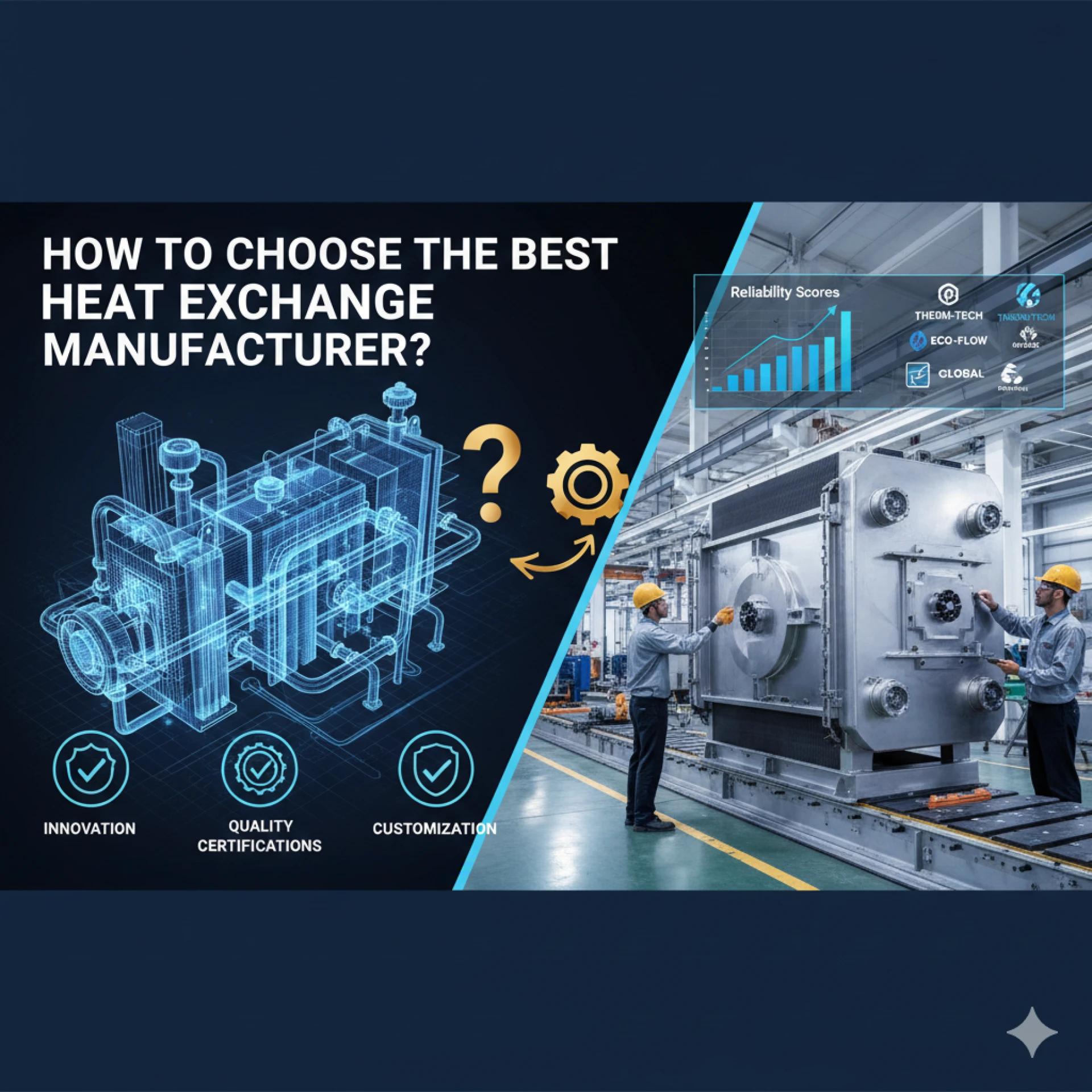
Certifications aren't just fancy certificates on a wall—they're proof that a manufacturer follows internationally recognized quality standards. Look for ISO certifications, ASME stamps, and other relevant industry approvals.
These certifications mean the manufacturer has systems in place to ensure consistent quality. They conduct regular testing, maintain proper documentation, and follow strict production protocols. When you're investing in equipment that's crucial to your operations, this assurance is invaluable.
Evaluate Their Technical Capabilities
The best manufacturers don't just build what you ask for—they help you figure out what you need. Do they have an engineering team that can assist with thermal calculations? Can they customize designs to fit your specific requirements?
Advanced manufacturers use sophisticated software for thermal and mechanical design. They can simulate performance under various conditions and optimize designs for efficiency. This technical support can save you money and prevent costly mistakes down the line.
Consider Material Options and Quality
Heat exchangers can be made from various materials: carbon steel, stainless steel, copper, titanium, and specialized alloys. The right choice depends on your application. A reliable manufacturer should offer multiple material options and help you select the best one.
Ask about their material sourcing. Do they use quality raw materials from reputable suppliers? What testing do they perform on materials before fabrication? The quality of materials directly impacts the longevity and performance of your equipment.
Manufacturing Infrastructure and Capacity
Visit the facility if possible, or at least request detailed information about their manufacturing setup. Modern equipment and well-organized facilities usually indicate a professional operation. Do they have the capacity to handle your order volume? Can they scale production if you need more units in the future?
The manufacturing process should include proper quality control checkpoints. Welding quality, pressure testing, and dimensional accuracy all need careful monitoring. Ask about their inspection procedures and testing protocols.
After-Sales Support and Service
Your relationship with a manufacturer shouldn't end when the equipment is delivered. What kind of after-sales support do they offer? Can they provide maintenance services? Do they keep spare parts in stock?
Good manufacturers stand behind their products. They offer warranties, provide troubleshooting assistance, and respond quickly when issues arise. This ongoing support can significantly impact your equipment's uptime and operational efficiency.
Price Versus Value
It's tempting to go with the cheapest option, but price shouldn't be your only consideration. A slightly higher upfront cost might be justified by better quality, longer lifespan, or superior efficiency. Calculate the total cost of ownership, including energy consumption, maintenance, and expected lifespan.
Be wary of prices that seem too good to be true—they usually are. Quality manufacturing costs money, and extremely low prices often mean corners are being cut somewhere.
Local Versus International Suppliers
If you're looking for a heat exchanger manufacturer in India, you'll find several advantages. Local manufacturers often provide faster delivery times, easier communication, and better after-sales service. They understand local conditions, regulations, and industry requirements.
However, don't automatically dismiss international suppliers. Sometimes they offer specialized products or technologies not available locally. Weigh the benefits of local support against the potential advantages of global expertise.
Customization Capabilities
Every application is unique. Can the manufacturer customize designs to match your exact requirements? Do they offer engineering modifications? The ability to tailor solutions to specific needs often separates good manufacturers from great ones.
Custom solutions might include special port configurations, unique materials, specific dimension requirements, or integration with existing systems. A flexible manufacturer can adapt to your needs rather than forcing you to adapt to their standard products.
Energy Efficiency and Performance
Modern cooling solutions should prioritize energy efficiency. Ask manufacturers about the efficiency ratings of their equipment. Can they provide performance data? What about computational fluid dynamics analysis or heat transfer calculations?
Efficient heat exchangers reduce operating costs and environmental impact. They might cost more initially but save money over time through lower energy consumption and stable HVAC amperage performance. Monitoring HVAC amperage is especially important in large systems, as it directly reflects the power efficiency and load handling of the installed equipment.
References and Track Record
Don't just take a manufacturer's word for it. Ask for customer references and case studies. Contact existing clients if possible. How satisfied are they? Did the equipment perform as promised? How was the manufacturer's responsiveness to problems?
Online reviews and industry reputation also provide valuable insights. Check industry forums, trade publications, and professional networks for feedback about different manufacturers.
Making Your Final Decision
Choosing the right heat exchange manufacturer requires balancing multiple factors: quality, price, technical capability, support, and reliability. Take your time, do thorough research, and don't hesitate to ask detailed questions.
The right manufacturer becomes a long-term partner in your success. They contribute to your operational efficiency, equipment reliability, and bottom line. Invest time in selecting wisely, and you'll reap the benefits for years to come.