Every garden has spots that refuse to cooperate. Shady corners often struggle to grow grass. Bare soil invites weeds quickly. Slopes wash away after heavy rain. These are common problems in yards of every size. The good news is that the right ground cover plants can solve many of these issues in simple, natural ways.
Learning how to choose ground cover plants is one of the smartest steps any gardener can take. Ground covers fill empty spaces, protect soil, and add beauty without demanding constant care. When chosen carefully, they become living carpets that make landscapes look finished and healthy.
Why Ground Covers Matter
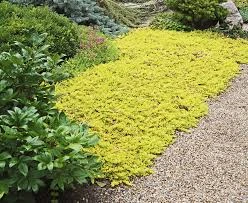
Ground covers do far more than just look nice. They protect soil from erosion, especially on hillsides and uneven areas. Thick mats of plants reduce weed growth naturally by blocking sunlight from reaching the soil. Many varieties stay green through different seasons, keeping the garden attractive even when other plants fade.
Low-maintenance ground covers also reduce regular yard work. Once established, most types need very little attention. They help keep soil moist, cool the ground during hot months, and reduce the need for mulch. Flowering varieties bring extra life to the landscape by attracting butterflies, bees, and other helpful pollinators.
For these reasons, ground cover plants for landscaping are some of the most practical choices for busy homeowners.
Start With Garden Conditions
Choosing the best ground covers for gardens begins with understanding the space. Every yard is different. Sunlight, soil type, and moisture levels all play a big role in plant success. Take a good look at the spot that needs repair. It's mostly sunny or very shady. Does the ground stay wet or dry out quickly? Is the ground level or sloping? It's much easier to choose plants after you answer these easy questions.
Shade plants do best on the north side of homes, under trees, and along walls. In sunny places, plants need to be tougher so they can handle the heat and light. Plants that grow on slopes need to have deep roots that can hold the dirt in place.
Matching the plant to the location is the most important rule of successful gardening.
Excellent Ground Cover Choices
Many reliable options are available for different conditions. The following plants are practical examples that fit a wide range of landscape needs.
Running Cedar
Running Cedar is a beautiful evergreen option that grows well in shaded or partly shaded areas. It spreads slowly across the ground, creating a soft green carpet that looks natural and tidy. This plant is perfect for woodland-style gardens or areas where grass refuses to grow.
Vinca Minor
Vinca Minor is one of the most popular low-maintenance ground covers. It thrives in shade and produces lovely blue-purple flowers in spring. Thick growth makes it excellent for ground covers for weed control. Once established, it needs very little care.
Trumpet Vines
Trumpet Vines are strong and grow quickly, making them a good choice for big areas. They are often grown on fences or trellises, but they can also be spread out on the ground to cover trouble spots. Bright flowers in the shape of trumpets bring hummingbirds to the yard and add a splash of color.
Partridgeberry Plant
For shaded spots with moist soil, the Partridgeberry Plant is a charming option. Small evergreen leaves and bright red berries add year-round interest. It grows low to the ground and works well in natural garden settings.
European Ginger
European Ginger is a favorite for deep shade. Its glossy, round leaves form a dense mat that stays attractive from spring through fall. This plant grows slowly but creates a rich, elegant look beneath trees and shrubs.
Purple Violet
Purple Violet brings cheerful color to shady areas in early spring. It spreads gently and adapts to many soil types. These flowers add a soft, natural feel to gardens and blend well with other shade-loving plants.
Periwinkle Plants
Periwinkle Plants are tough, dependable, and easy to grow. They handle sun or shade and quickly cover bare patches. Shiny leaves and small blooms make them a classic landscaping favorite.
Geranium Plants
Hardy Geranium Plants are ideal for borders and open garden beds. They spread steadily and produce bright flowers through much of the growing season. These plants add color while helping to crowd out weeds.
Fan Clubmoss
Fan Clubmoss is a unique evergreen ground cover that loves moist, shady environments. It creates a soft, fern-like texture and works beautifully in natural or woodland landscapes.
White Violet
White Violet is just as easy to take care of as purple types, but its flowers are delicately white. It spreads out slowly and gently, lighting up dark spots.
Solving Common Landscape Problems
Different areas of the yard call for different solutions. Steep banks and hillsides benefit from spreading plants with strong roots. Moist, shady corners need varieties that enjoy low light. Hot, sunny spaces require tougher choices that tolerate dry conditions.
Ground covers are especially helpful in places where mowing is difficult or impossible. Around trees, along pathways, and beside foundations, they create clean, finished looks without constant upkeep.
People searching to buy ground cover plants online often look for plants that handle specific problems. Choosing the right type from the start saves time, money, and frustration.
Planting Tips for Success
It's not hard to plant ground covers. It makes a big difference to get the area ready right. First, get rid of the weeds and break up the earth. New plants get off to a healthy start when you add compost.
Space plants according to their growth habits. Some spread quickly and need room to fill in. Water new plantings regularly during the first season. Once roots are established, most ground covers become very independent.
Mulching lightly between new plants helps hold moisture and prevents early weed growth. After a season or two, the plants will knit together and take over the job naturally.
Mixing and Matching
Beautiful landscapes often use more than one type of ground cover. Combining plants with different textures and bloom times creates interest through the year. Shade lovers like European Ginger can be paired with Vinca Minor for a layered look. Flowering types such as Purple Violet and Geranium Plants add cheerful seasonal color.
Thoughtful combinations turn problem areas into attractive garden features.
Simple Maintenance
One of the biggest advantages of low-maintenance ground covers is the small amount of care they require. Occasional watering during dry spells, light trimming, and removing stray weeds are usually all that is needed.
Fertilizer is rarely necessary for established plants. Nature takes care of most of the work once the ground is fully covered.
Confidence in Choosing
Understanding how to choose ground cover plants makes gardening easier and more enjoyable. Pay attention to sunlight, soil, and moisture. Pick plants that match those conditions. Start with reliable varieties that fit the needs of the space.
With a little planning, any difficult part of the yard can become healthy, green, and full of life. The right ground covers bring long-lasting beauty while cutting down on work. A well-chosen living carpet transforms ordinary landscapes into comfortable, welcoming outdoor spaces that look good year after year.