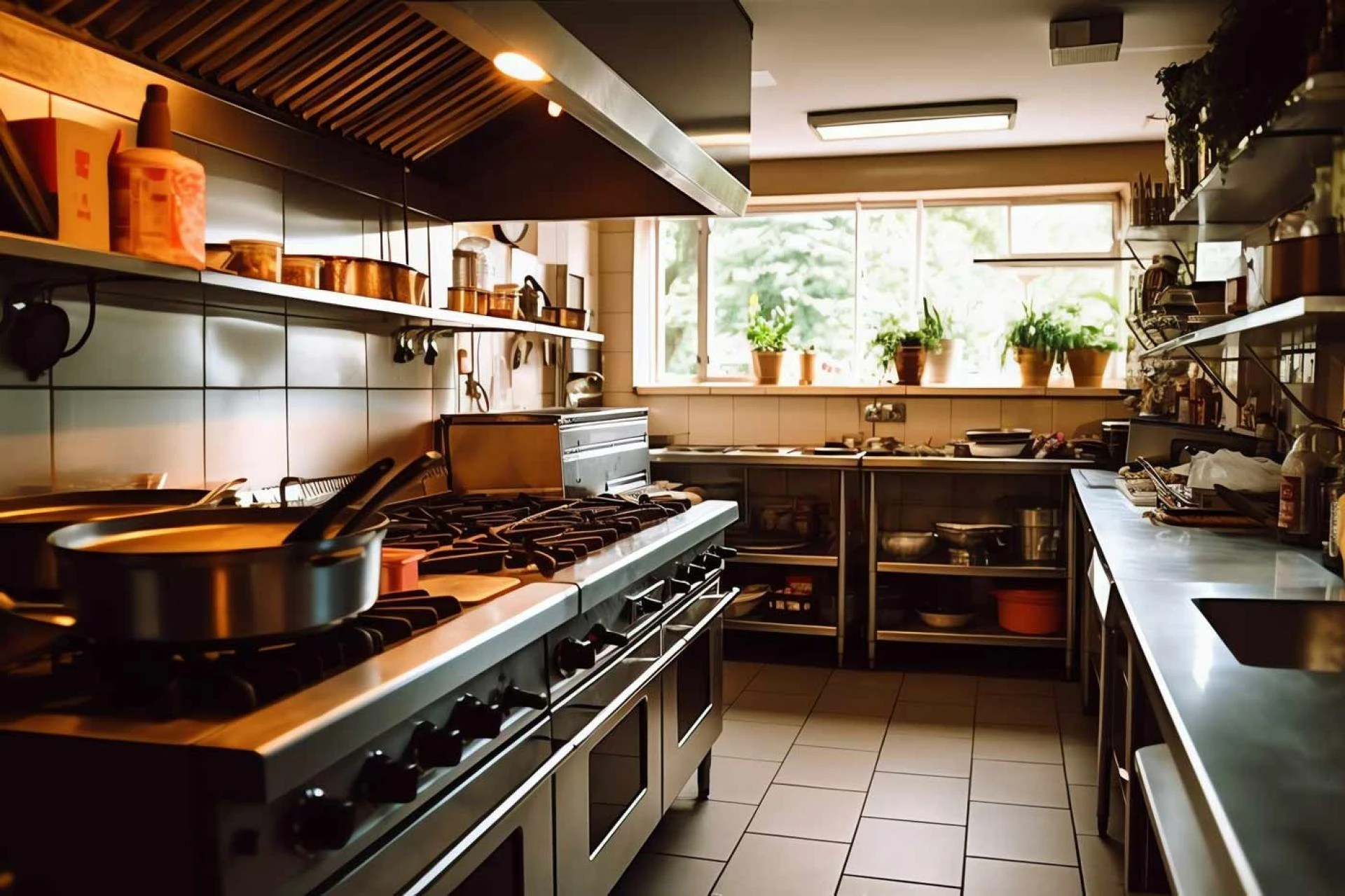
Selecting the right Gas range is one of the most important decisions a restaurant owner can make. In a professional kitchen, cooking equipment must handle continuous use, maintain consistent temperatures, and support a fast-paced workflow. A well-chosen Gas range not only improves food quality but also increases efficiency, safety, and long-term cost savings. For restaurants, hotels, catering companies, and food service operations across the Caribbean, investing in durable commercial equipment is essential to meet daily service demands. Understanding capacity, configuration, layout, and safety requirements will help you make a smart and sustainable purchase for your business.
Understanding Kitchen Capacity Requirements
Before selecting a Gas range, evaluate your kitchen’s production volume. A small café serving breakfast and lunch has very different needs compared to a high-volume restaurant preparing hundreds of meals daily. Start by analyzing your menu. Do you frequently sauté, boil, simmer, or sear multiple dishes at once? The number of burners and overall cooking surface area should match your busiest service hours.
Commercial kitchens must also consider peak demand. During rush periods, chefs need reliable heat output that remains steady even when all burners are operating simultaneously. Choosing a Gas range that matches your output needs prevents bottlenecks and ensures timely service. Undersized equipment can slow down operations, while oversized units may waste energy and valuable kitchen space. Careful assessment of daily production helps balance performance with operational efficiency.
Burner Configurations and BTU Output
Burner configuration plays a significant role in performance. Commercial Gas range models are available with various burner counts, typically ranging from four to ten burners. The ideal setup depends on your cooking style and menu complexity. Restaurants with diverse menus often benefit from multiple high-powered burners to handle different pots and pans at the same time.
BTU (British Thermal Unit) ratings measure heat output. Higher BTU burners provide faster heating and stronger flame control, which is especially useful for searing meats or bringing large stockpots to a boil quickly. However, not every kitchen requires maximum BTU capacity. Precision cooking, such as simmering sauces or delicate reductions, may require consistent but controlled heat rather than extreme intensity.
Look for a Gas range that offers a combination of power and control. Even heat distribution, durable grates, and easy-to-clean burner assemblies contribute to better daily performance. Choosing a unit with balanced BTU output ensures flexibility for both high-heat cooking and slower preparation tasks.
Oven Base vs Open Burner Gas Range Models
Another key decision involves selecting between oven base and open burner configurations. Many commercial kitchens prefer a Gas range with an integrated oven base. This design provides additional cooking capacity without requiring extra floor space. Oven bases are ideal for baking, roasting, and finishing dishes, making them suitable for full-service restaurants that rely on versatile cooking methods.
On the other hand, open burner models without an oven base allow for storage space underneath or compatibility with refrigerated bases. These configurations may suit kitchens that already have separate ovens or convection units. They also offer flexibility for businesses with specialized cooking equipment.
Consider how your team works throughout the day. If space is limited and multifunctionality is essential, an oven-base Gas range may be the most practical solution. If your kitchen operates with dedicated baking stations, an open-base model might provide better customization. Evaluating workflow efficiency helps determine the right configuration for long-term productivity.
Space Planning and Kitchen Layout Considerations
Commercial kitchens require thoughtful space planning. A Gas range must fit comfortably within your existing layout while allowing safe movement for staff. Measure available floor space carefully, including clearance requirements for ventilation and fire safety compliance.
Placement is equally important. The Gas range should be positioned near food preparation areas to reduce unnecessary movement. At the same time, it should not obstruct high-traffic zones. Proper spacing improves workflow, reduces accidents, and enhances overall kitchen organization.
Ventilation systems must also be considered. Professional kitchens generate heat, smoke, and grease vapors that require effective exhaust systems. Ensure your chosen Gas range aligns with your ventilation capacity. Additionally, stainless steel surfaces and heavy-duty construction are beneficial for maintaining hygiene standards and withstanding daily wear.
Thoughtful planning ensures your equipment integrates seamlessly into your operation rather than creating challenges. A well-positioned Gas range becomes a central hub of productivity within the kitchen.
Safety Standards and Installation Requirements
Safety should always be a priority when installing commercial cooking equipment. A Gas range must meet local regulatory standards and be installed by qualified professionals. Proper gas line connections, secure fittings, and pressure regulation are essential to prevent leaks or hazards.
Flame failure safety devices and sturdy control knobs enhance operational security. Regular maintenance and inspections help ensure long-term reliability. Training staff on proper operation also reduces risks associated with high-temperature equipment.
Fire suppression systems and adequate ventilation must comply with professional kitchen requirements. Ensuring correct installation from the start protects both employees and property. Investing in quality equipment built for heavy-duty commercial use minimizes the likelihood of breakdowns and safety concerns.
By prioritizing certified equipment and professional installation, restaurant owners create a safer and more efficient working environment.
Reliable Gas Range Solutions at CaterPro.tt
For food service businesses in Trinidad and Tobago and throughout the Caribbean, finding dependable equipment is essential. CaterPro.tt provides commercial kitchen solutions designed specifically for professional environments. Their selection supports restaurants, caterers, hotels, and hospitality operations seeking durable and high-performance equipment.
A commercial Gas range sourced from a trusted supplier ensures quality construction, reliable heat control, and long-term value. Built for demanding kitchens, these units are crafted with heavy-duty materials that withstand continuous use. From compact models for smaller operations to larger configurations for high-capacity restaurants, businesses can find equipment tailored to their needs.
CaterPro.tt focuses on delivering practical solutions that align with real-world kitchen demands. By offering equipment suited for Caribbean food service businesses, they help operators maintain productivity, consistency, and professional standards. Reliable customer support further ensures that buyers receive guidance in selecting the right Gas range for their unique requirements.
Choosing a dependable supplier reduces uncertainty and supports smooth kitchen operations. With quality equipment designed for commercial use, restaurants can confidently serve their customers without interruption.
Conclusion
Selecting the right Gas range ensures consistent cooking performance and long-term value for professional food service businesses. By carefully evaluating kitchen capacity, burner configuration, oven options, layout considerations, and safety requirements, restaurant owners can make informed decisions that enhance efficiency and productivity. A well-chosen Gas range becomes the backbone of daily operations, supporting everything from rapid sautéing to slow simmering. For restaurants and hospitality businesses seeking reliable commercial equipment, investing in durable, high-quality solutions ensures smoother workflows and dependable results for years to come.