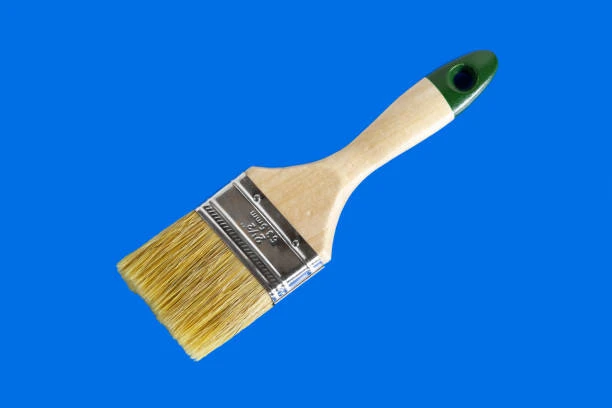
Walk into any paint aisle and you’ll see them, cheap, simple, kind of forgettable. Chip brushes don’t look like much. And honestly, most people don’t give them a second thought. But here’s the thing… pick the wrong one and your finish shows it. Bristles falling out, streaky coats, wasted time. I’ve seen it too many times. If you’re buying a chip brush in bulk, it matters even more because one bad batch means a whole lot of frustration. So yeah, these little brushes? Not as basic as they seem.
What a Chip Brush Is (and What It Isn’t)
Let’s keep this straight. A chip brush isn’t your precision tool. You’re not cutting clean edges or doing detailed trim work with it. It’s built for rougher jobs—staining, gluing, applying solvents, quick touch-ups, that kind of thing. Disposable by nature, or at least semi-disposable. But “cheap” shouldn’t mean useless. A good chip brush still needs to hold paint, spread it evenly, and not fall apart halfway through a job. Sounds obvious, but plenty don’t manage even that.
Bristle Type Matters More Than You Think
Most chip brushes use natural bristles, usually hog hair. And yeah, there’s a reason for that. Natural bristles handle oil-based paints, stains, and varnishes better. They soak up material and release it smoother. Synthetic ones exist too, but they’re not always worth it unless you’re working with water-based stuff. Here’s where people mess up—they assume all natural bristles are equal. Nope. Lower-grade brushes shed more, feel stiff, and leave uneven strokes. If you run your fingers across the bristles and they already feel loose… walk away.
Handle Quality: Don’t Ignore It
It’s easy to overlook the handle because, well, it’s just wood. But cheap wood cracks. Or splinters. Or worse, the ferrule (that metal part holding the bristles) loosens up. Once that happens, the brush is basically done. You don’t need luxury here, but you do need something that holds together. Smooth enough grip, no wobble, decent staple or glue job. Simple stuff, but it makes a difference when you’re halfway through a project and don’t feel like switching tools every ten minutes.
Size Selection Isn’t Just Preference
Chip brushes usually come in standard widths—1 inch, 2 inch, 3 inch, 4 inch. People often grab whatever’s cheapest or most available. Not the best move. Smaller brushes give you more control, sure, but they slow you down on larger surfaces. Bigger ones cover more area but can get messy fast. There’s no magic answer here. You match the size to the job. Tight corners? Go small. Flat surfaces or broad strokes? Go wider. Basic logic, but worth saying because people still get it wrong.
When Buying in Bulk Actually Makes Sense
Alright, let’s talk bulk. Contractors, painters, even DIY folks doing big projects—buying a chip brush in bulk can save a lot of money. But only if the quality is consistent. That’s the catch. Some bulk packs look like a deal until you open them and half the brushes are shedding like crazy. If you’re going bulk, test a few first. Don’t just trust the packaging. Also, think about usage. If you’re using them for harsh chemicals or one-time jobs, cheaper bulk makes sense. If you need cleaner finishes, spend a bit more. Bulk doesn’t have to mean bottom-tier.
Watch for Bristle Shedding (Big Red Flag)
This one deserves its own section because it’s probably the most annoying issue. You’re painting or staining, everything’s going fine, then—there it is—a loose bristle stuck right in the finish. Now you’re picking it out, smoothing it over, wasting time. Good chip brushes minimize this. Not eliminate, but minimize. Before using a new brush, give it a quick tug test. If bristles come out easily, you’ve got a problem. Better to know early than mid-job.
Matching the Brush to the Material You’re Using
Different jobs, different needs. Using a chip brush for epoxy? You’ll want something sturdier, less prone to softening. Applying stain? Softer bristles help spread it evenly. Glue work? Honestly, you can go cheaper. This is where people either overthink or underthink. You don’t need the “best” brush every time. You need the right one for the material. That’s it. No need to complicate things.
Don’t Compare Chip Brushes to Rollers (They Do Different Jobs)
I’ve seen folks try to compare everything in the painting world like it’s interchangeable. It’s not. A chip brush isn’t replacing rollers, and definitely not something like 18 in rollers for painting, which are built for speed and large surfaces. Completely different tools. Chip brushes are for detail, edges, rough work, and quick applications. Rollers are for coverage. Use each where it makes sense, and don’t try to force one into the other’s role. That’s just asking for uneven results.
Price vs Value: Where to Draw the Line
Here’s the blunt truth—going for the absolute cheapest option usually backfires. But that doesn’t mean you should overspend either. There’s a middle ground where you get decent bristle hold, solid construction, and acceptable performance without paying premium prices. Find that range and stick to it. Try a few brands if you have to. Once you find one that works, don’t keep experimenting unless something changes. Consistency saves time, and time is money, whether you’re a pro or just fixing up your place.
Conclusion
Choosing the right chip brush isn’t complicated, but it’s easy to get wrong if you rush it. Pay attention to bristles, check the build, match the size to your job, and don’t assume all bulk deals are good ones. A little effort upfront saves a lot of hassle later. And yeah, chip brushes are simple tools—but simple doesn’t mean unimportant. Get the right one, and the job goes smoother. Get a bad one… and you’ll notice pretty quick.