Choosing the right flooring is one of the most important decisions when designing or renovating your home. It affects not only the look of your space but also comfort, durability, and long-term maintenance. Two of the most popular modern options are lvp flooring and lvt tile flooring, both known for their versatility and performance. While they share similarities, understanding their differences will help you make the best choice for your lifestyle and space.
Understanding the Basics of Vinyl Flooring
Luxury vinyl flooring has evolved significantly over the years. It is designed to replicate the appearance of natural materials while offering greater durability and ease of care. These floors are made with multiple layers, including a wear layer that protects against scratches, moisture, and daily wear.
The main difference between vinyl plank and vinyl tile lies in shape and design intent. One is commonly associated with wood-like visuals, while the other mimics stone or ceramic patterns. Knowing how each option functions within a home environment is the first step toward a confident decision.
Appearance and Design Flexibility
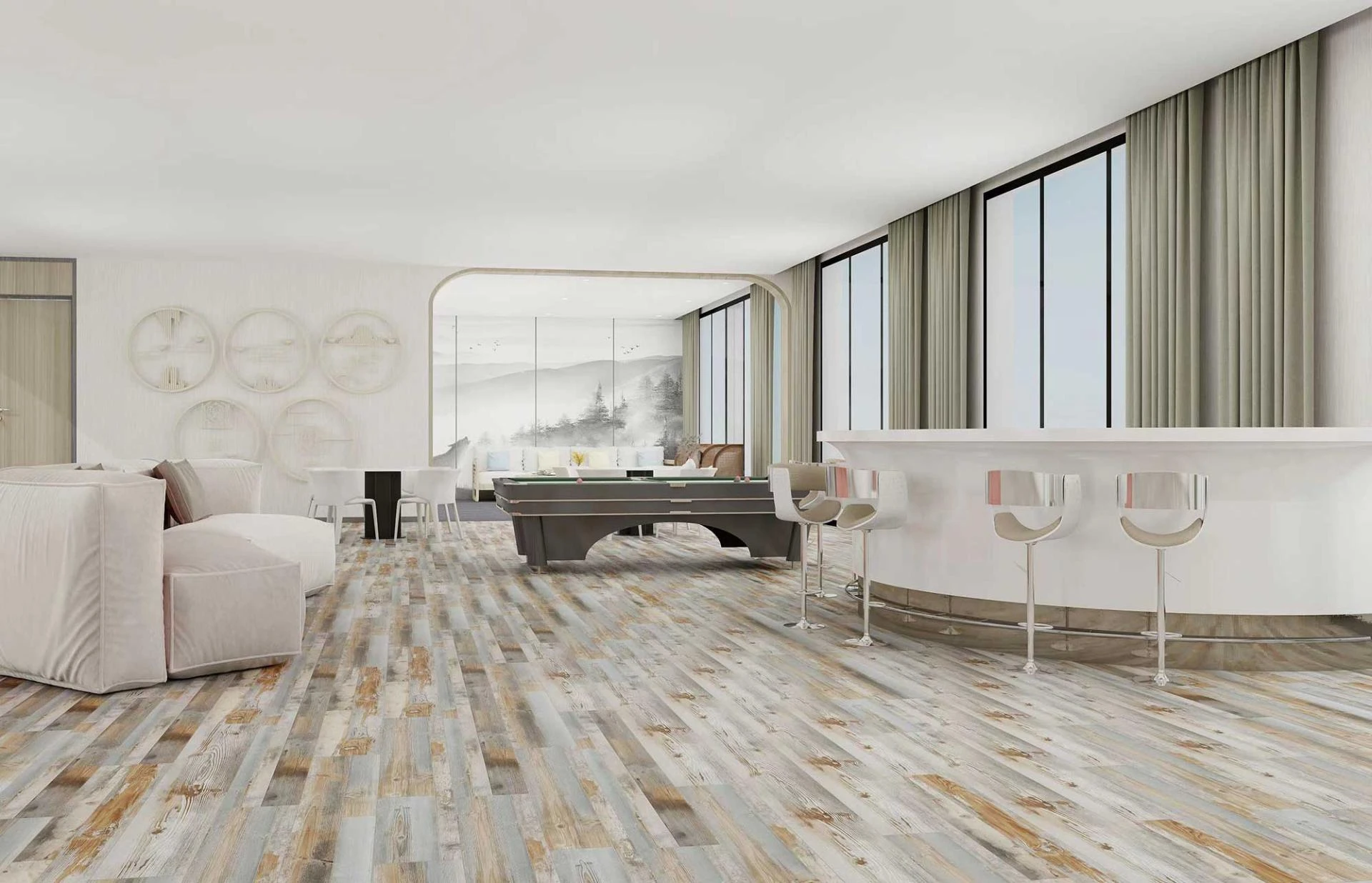
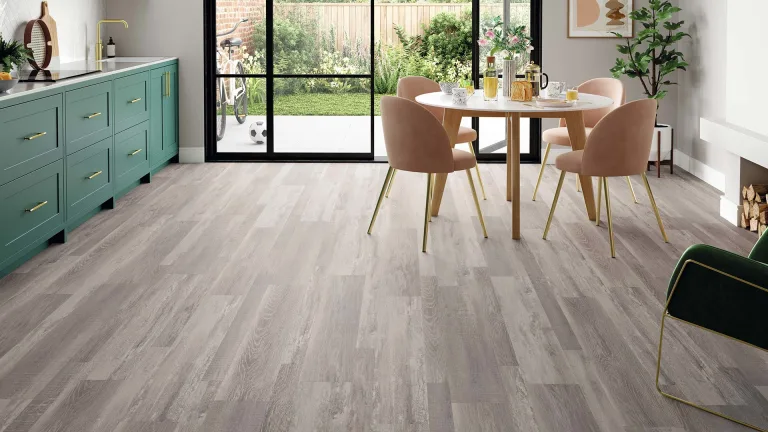
When aesthetics matter most, consider how each flooring type complements your interior style. Vinyl plank styles are typically chosen for their realistic wood grain patterns, making them ideal for living rooms, bedrooms, and open-plan areas. They offer warmth and a seamless look that works well in both modern and traditional homes.
On the other hand, lvt tile flooring is designed to replicate natural stone or ceramic tile. This makes it a strong choice for homeowners who want a clean, structured appearance without the cold feel of real tile. It works especially well in kitchens, entryways, and contemporary spaces where symmetry and pattern are important.
Durability and Everyday Performance
Durability is a key factor for households with children, pets, or heavy foot traffic. Vinyl flooring is engineered to withstand daily wear, but plank and tile styles perform slightly differently depending on use.
Plank-style vinyl is known for its flexibility and impact resistance. Lvp performs well in busy areas because it absorbs minor impacts better than harder surfaces. This can reduce noise and improve comfort underfoot.
Tile-style vinyl, with its more rigid structure, provides excellent resistance to dents and pressure. It maintains its shape well in high-traffic zones, making it a reliable choice for areas that experience frequent use.
Water Resistance and Moisture-Prone Areas
Moisture resistance is one of the biggest reasons homeowners choose vinyl flooring. Both plank and tile vinyl options are highly water-resistant, but placement still matters.
Bathrooms, laundry rooms, and kitchens benefit from flooring that can handle spills and humidity without warping. Lvt flooring is particularly effective in these spaces because its tile format mirrors traditional tile layouts while offering better comfort and easier installation.
Plank-style vinyl is also suitable for moisture-prone areas, provided proper installation techniques are used. Sealed edges and quality underlayment help prevent water from seeping beneath the surface.
Installation and Subfloor Considerations
Ease of installation can influence both cost and project timeline. Many vinyl floors feature click-lock systems, making them suitable for DIY projects as well as professional installations.
Plank vinyl is often quicker to install due to its larger size and forgiving nature over minor subfloor imperfections. Tile-style vinyl may require more precision to ensure even spacing and alignment. Installing lvt tile can take slightly longer, especially when patterns or grout-style layouts are involved, but the finished result often feels more structured and refined.
Maintenance and Long-Term Care
One of the biggest advantages of vinyl flooring is how easy it is to maintain. Regular sweeping and occasional damp mopping are usually enough to keep floors looking new.
Plank vinyl hides scratches and dust well, making it ideal for busy households. Tile-style vinyl, including lvt tile, may show dirt more easily in grout lines or patterned designs, but it is still far easier to clean than traditional tile or stone.
Neither option requires sealing, polishing, or special cleaners, which helps reduce long-term maintenance costs.
Budget and Value for Money
Both vinyl plank and vinyl tile flooring are considered cost-effective alternatives to hardwood and stone. Pricing varies depending on thickness, wear layer, and brand, but both options offer strong value over time.
Plank styles are often slightly more affordable and faster to install, which can reduce labor costs. Tile styles may cost more upfront, but they deliver a high-end appearance that can enhance the overall look of your home.
Final Thoughts: Which One Is Right for You?
Choosing between plank and tile vinyl flooring ultimately depends on your design goals, lifestyle, and the specific room where it will be installed. If you prefer a warm, wood-like look with comfort underfoot, plank vinyl may be the better fit. If you want a sleek, modern appearance with excellent moisture resistance, lvt flooring is worth considering.
Both options deliver durability, style, and low maintenance, making them smart investments for modern homes. By evaluating your space and priorities carefully, you can confidently select the vinyl flooring solution that enhances both the beauty and functionality of your home—whether that means choosing plank vinyl or going with lvp for a timeless, practical finish.